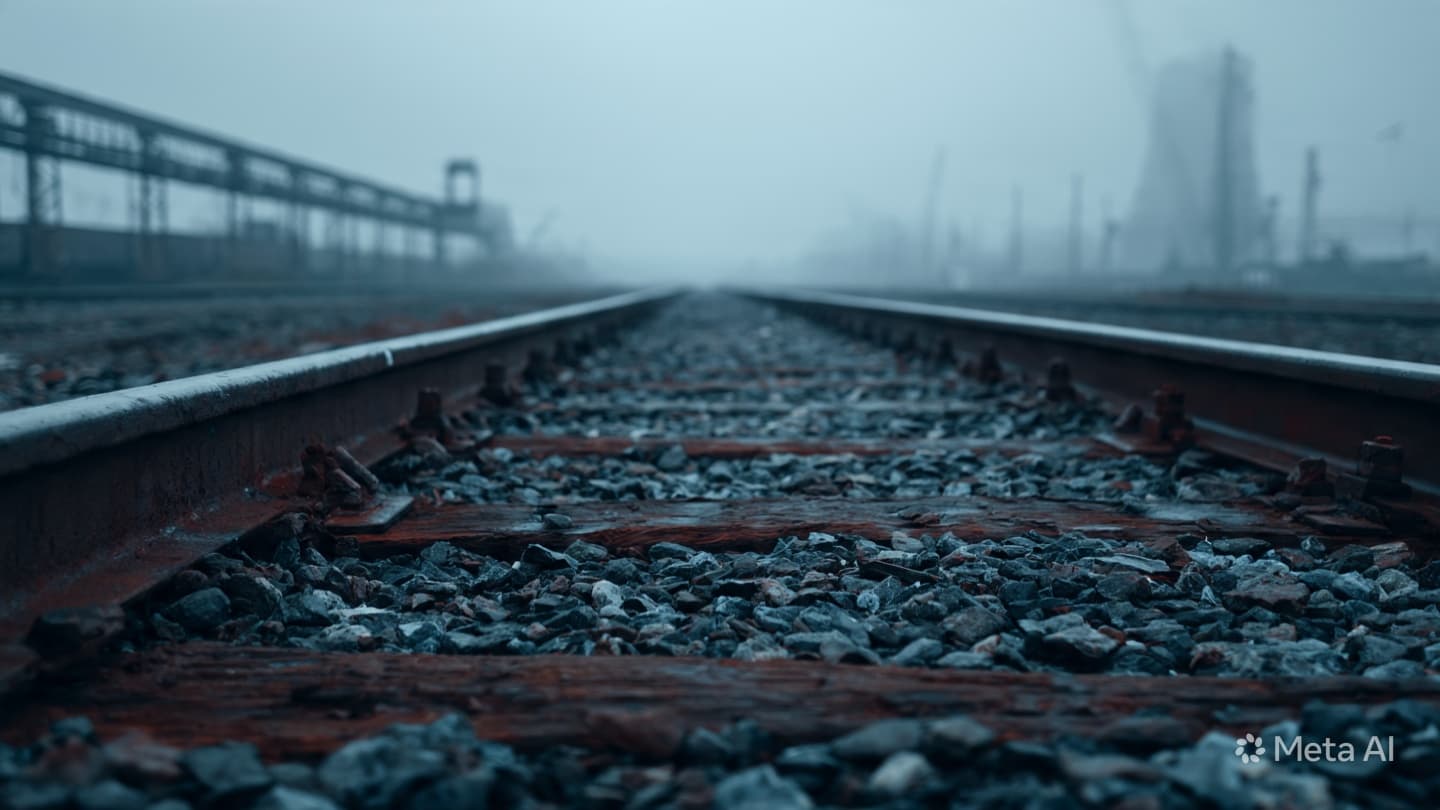
Railways are the steel veins of a nation, carrying the steady, rhythmic pulse of commerce and connection through the landscape. There is a precise, mechanical poetry to the movement of trains, a choreography of momentum and mass that usually unfolds with predictable, heavy grace. Yet, when that rhythm breaks, the sudden dissonance of an accident reminds us of the profound danger inherent in the industry’s most routine tasks.
Near Łódź, where the rail lines stretch out like charcoal lines across the horizon, a shunt yard—typically a place of organized, calculated motion—became the site of a tragic interruption. A simulation of safety procedures, meant to sharpen the instincts of those who work the lines, blurred into a grim reality when an accident claimed the life of a rail worker. The transition from the controlled environment of a drill to the visceral reality of loss is a jarring shift that leaves the entire industry in a state of solemn pause.
To stand near a shunting yard is to feel the vibration of the earth as iron meets iron. It is an environment of immense force, where men and women work in the shadow of massive engines, their movements calibrated to the second. When a worker is lost, the silence that follows is not just the absence of noise, but the absence of a vital link in the machinery of the country’s infrastructure.
The investigation into the incident will likely focus on the mechanisms of the shunt, the communication between the crew, and the small, critical margins of error that define life on the tracks. These are not merely administrative inquiries; they are attempts to understand how a system designed for precision can, in a singular, devastating moment, fail those it relies upon.
In the small hours of the shift, the world of the rail worker is often lonely and intensely focused. The camaraderie of the crew is forged in these difficult hours, making the loss of a colleague feel like the tearing of a personal fabric. The grief felt by the local community of rail professionals is a quiet, stoic force, reflecting the nature of a trade that demands high levels of discipline and emotional containment.
The industry now turns its attention to the memory of the worker, ensuring that the tragedy is met with more than just a passing headline. It is a moment for introspection, a re-evaluation of the risks that are often accepted as the price of doing business. The tracks remain, the trains continue to move, but the human cost of this specific shift will remain etched in the records of the Łódź rail corridor.
As the sun rises over the junction, the routine of the day begins again, but with a palpable shift in the air. The accident serves as a reminder that behind every schedule and every freight manifest is a human element, subject to the same vulnerabilities as any other. The steel may be cold and unyielding, but the lives that move it are fragile, connected by bonds that are tested every time a locomotive shifts onto a new path.
Final reports will emerge from the transit authorities, dissecting the sequence of events that led to this loss. Yet, for the families and colleagues, no report can offer the kind of closure that restores what was taken. The focus will remain on the safety protocols and the legacy of the fallen worker, as the rails continue their long, unrelenting journey across the country.
A fatal shunting accident occurred at a rail facility near Łódź, resulting in the death of a rail worker. The incident took place during an operation that had been part of a scheduled training and safety simulation. Local emergency services and rail safety investigators were dispatched to the site immediately following the emergency call. The company is currently cooperating with regional authorities to conduct a full review of the incident and existing safety standards.
Published by Banx Network. This article is part of the Banx decentralized media programme, powered by the BXE token on the XRP Ledger.