There are journeys that people take not because they wish to, but because the road behind them has closed. For thousands of Myanmar nationals in Malaysia, that road has been detention centers, uncertain status, and the long wait of exile. This week, Malaysia began sending some of them back, a decision framed as voluntary return but met with deep unease by those who understand what awaits in Myanmar.
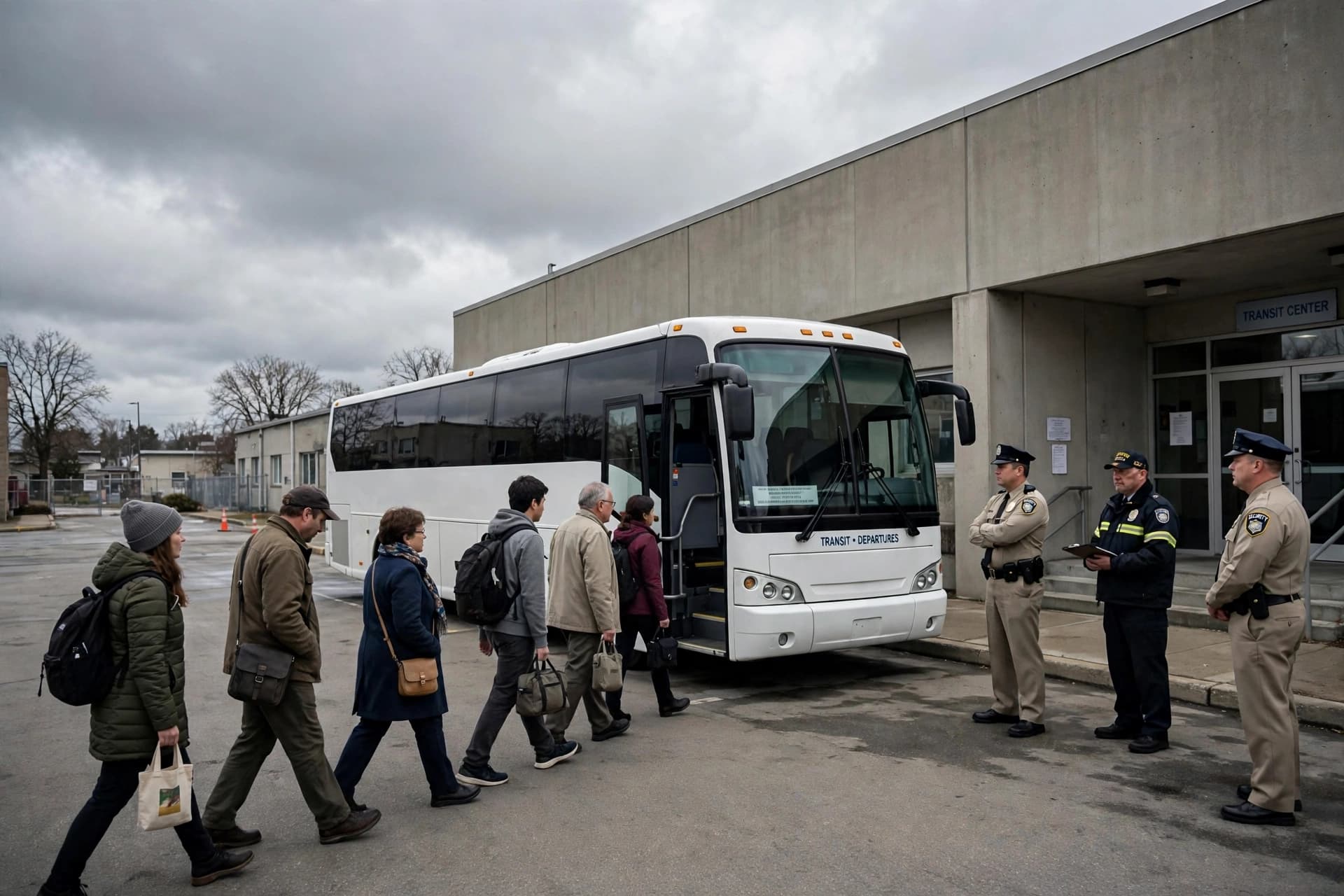
Malaysia on Tuesday commenced the first phase of a repatriation program, sending approximately 1,500 Myanmar citizens back to their war-torn homeland . They are the first of some 5,000 individuals the Malaysian government says have agreed to “voluntary” return from detention centers . The United Nations refugee agency voiced immediate concern, with spokesman Matthew Saltmarsh stating that conditions in Myanmar “do not permit safe, dignified and sustainable returns” .
The UN’s caution rests on well-documented realities. Myanmar has been engulfed in armed conflict since the military seized power in 2021, with widespread violence and human rights abuses reported across much of the country . Under international law, Saltmarsh noted, “no one should be sent to a country where they may face persecution, torture, serious harm, or other threats to life, liberty, and security” .
The repatriation program has drawn sharp criticism from human rights organizations and refugee advocates. The Coalition of Burma Ethnic Organizations in Malaysia staged a peaceful protest in Putrajaya last week, arguing that those slated for deportation are being coerced into “voluntary” agreement under threats at detention centers . James Bawi Thang Bik, the coalition’s vice chairman, described the situation starkly: “As long as the wars, military conscription, and war crimes in Myanmar persist, it is absolutely impossible for young people abroad to return. It is like jumping into one’s own grave” .
A petition calling for a halt to the deportation of 1,476 individuals was submitted to Malaysia’s Home Ministry, asserting that they are not returning voluntarily . More than 160 international civil society organizations have also signed a joint statement urging Malaysia to suspend the plan, warning that returnees could face forced conscription into armed groups .
Complicating the picture further is the question of who among the returnees are Rohingya, a persecuted Muslim minority that makes up roughly two-thirds of the estimated 190,000 Myanmar refugees and asylum-seekers in Malaysia . Malaysian Prime Minister Anwar Ibrahim announced in July that Myanmar had agreed to accept 5,000 Rohingya, a rare repatriation arrangement that rights groups have viewed with alarm . It remains unclear how many of the first group are Rohingya, and Malaysian authorities have not disclosed figures .
Myanmar’s government, for its part, pledged earlier this month to ensure that returning citizens could come back “safely and with dignity,” a promise made after criticism from the UN and human rights groups . Whether that pledge can be honored in a country where the military continues to fight armed resistance movements and where the International Criminal Court is weighing an arrest warrant against junta leader Min Aung Hlaing remains an open question .
For the 1,500 people now making the journey back, the return is not a homecoming in any ordinary sense. It is a step into uncertainty, taken from a place that offered little welcome toward a place that offers even less. The UN’s concern is not abstract; it is a warning grounded in the simple principle that people should not be sent to places where their safety cannot be assured.
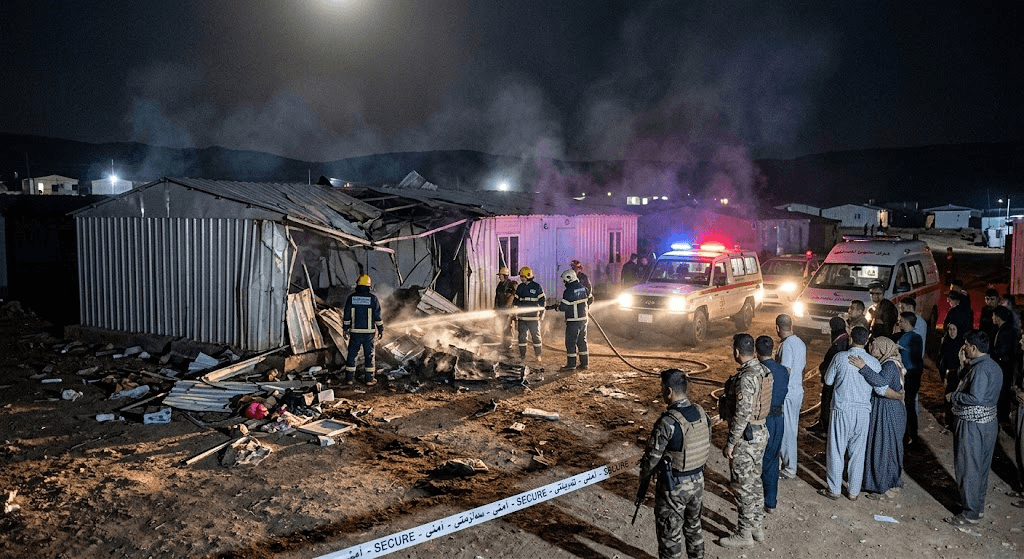
AI Image Disclaimer: All images used in this article were created by AI and are illustrative in nature.
Sources: Agence France-Presse, Bangladesh Sangbad Sangstha, Central News Agency (Taiwan), Mizzima, UNHCR
Published by Banx Network. This article is part of the Banx decentralized media programme, powered by the BXE token on the XRP Ledger.