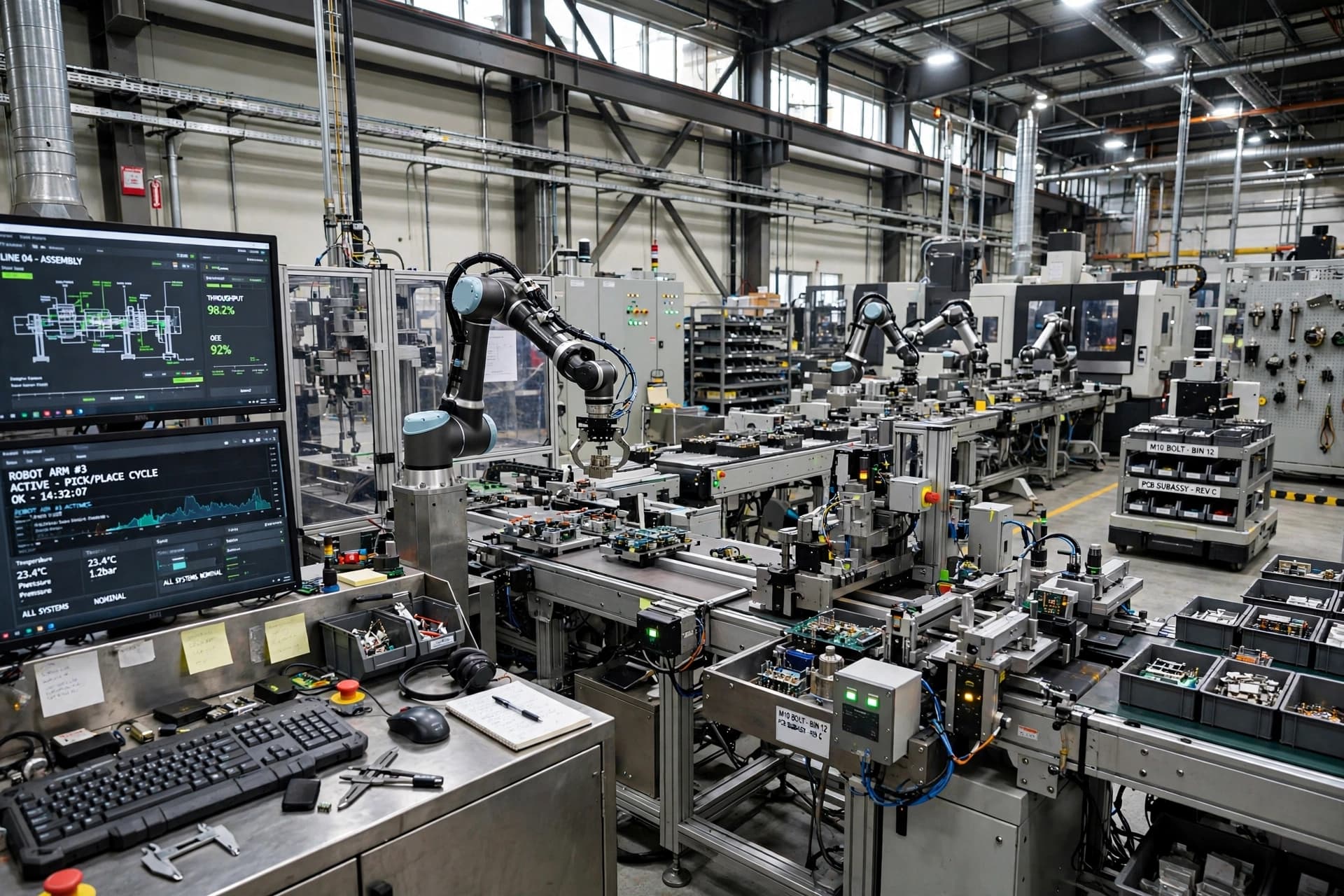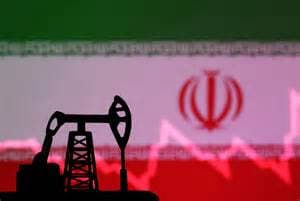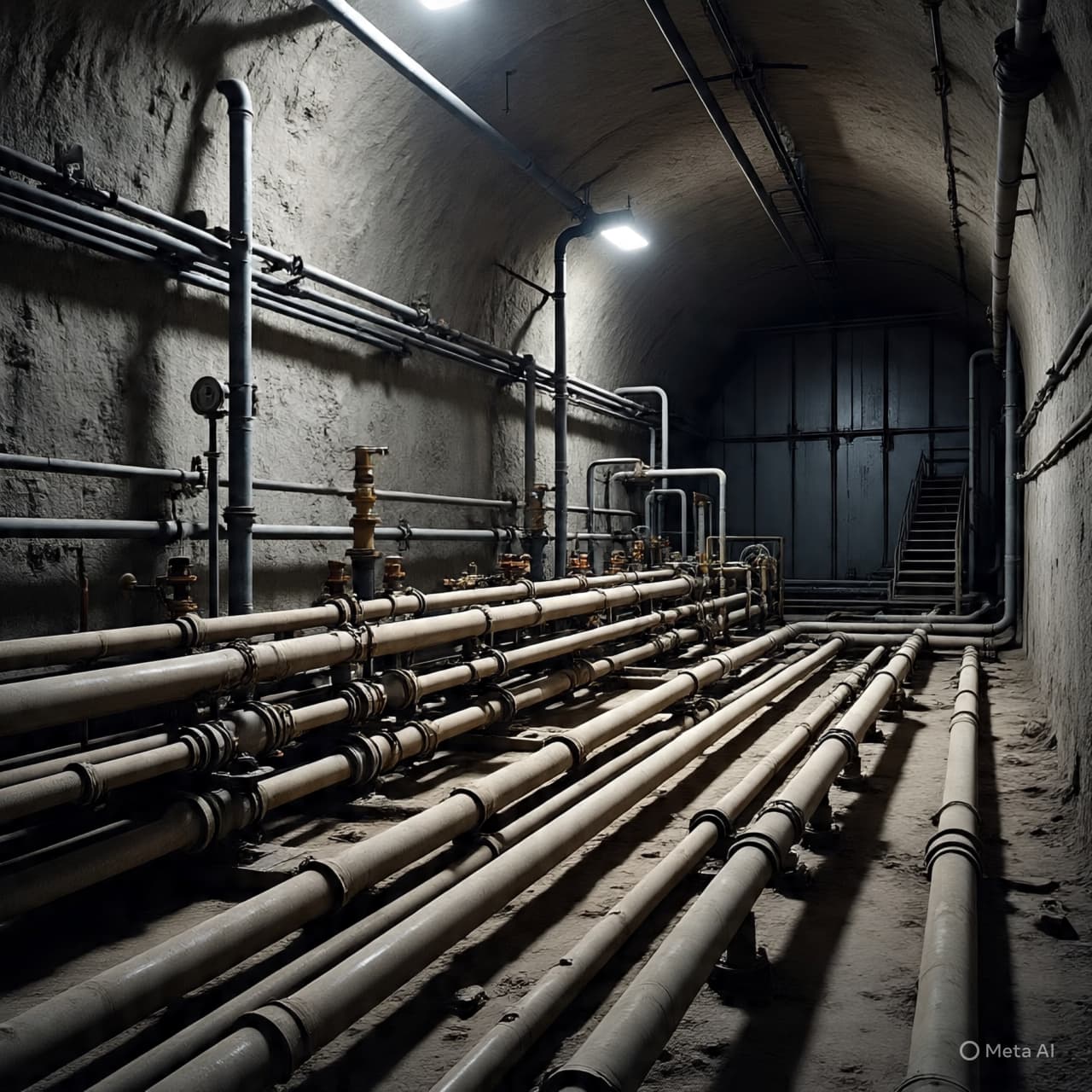
There are places where time seems to pause—where resources are held not for the present, but for the uncertainty that may come. Deep beneath the surface, in caverns carved from salt and stone, oil has long rested in quiet reserve, waiting for moments when its stillness would need to give way to motion.
Such a moment appears to be unfolding. The United States Department of Energy has said that contracts have been awarded for the loan of 45.2 million barrels of crude oil from the Strategic Petroleum Reserve as of March 20. The movement is measured, structured not as a sale but as a loan—barrels released with the expectation that they will return in time.
The Strategic Petroleum Reserve exists as a kind of buffer, a safeguard against disruption in global energy flows. It is designed for moments when supply tightens or uncertainty grows, offering a way to ease pressure without altering the broader structure of production. When oil leaves these reserves, it does so with purpose, entering a system that has begun to feel strain.
That strain has been shaped by a convergence of factors. Geopolitical tensions, particularly in the Middle East, have introduced instability into key supply routes. Production disruptions and shifting trade flows have added further complexity. In such an environment, the release of stored oil becomes less an extraordinary act and more a calibrated response.
The choice to structure the release as a loan carries its own quiet significance. It suggests a balance between immediate need and long-term preservation, allowing markets to receive additional supply while maintaining the reserve’s role as a strategic safeguard. The barrels move outward, but the system anticipates their eventual return, preserving continuity even as it adapts.
There is also a psychological dimension to such actions. The knowledge that reserves can be tapped—carefully, deliberately—can influence expectations as much as actual supply. Markets respond not only to what is released, but to what could be released, adjusting behavior in anticipation of stability.
Yet the scale of the release, while substantial in absolute terms, remains part of a much larger system. Global oil demand spans tens of millions of barrels each day, and the addition of 45.2 million barrels unfolds over time, contributing incrementally rather than transforming conditions outright. It is a measured intervention, aligned with the broader rhythm of supply and demand.
And so the movement continues, largely unseen, as oil transitions from storage to circulation. It is a quiet process, one that reflects both preparation and response, bridging the distance between past caution and present need.
The U.S. Department of Energy said it has awarded contracts for the loan of 45.2 million barrels of crude oil from the Strategic Petroleum Reserve as of March 20, as part of efforts to address supply conditions in the energy market.
AI Image Disclaimer
Images are AI-generated and serve as conceptual representations of the subject matter.
Source Check Reuters Bloomberg CNBC The Wall Street Journal Financial Times
Published by Banx Network. This article is part of the Banx decentralized media programme, powered by the BXE token on the XRP Ledger.

.jpg&w=3840&q=75 "India Says First Phase of U.S. Trade Deal Is Nearly Done, Seeks Edge Over Rivals")