
Key Highlights
- Recent study indicates potential cardiovascular and mental health risks associated with medical marijuana use.
- Higher rates of heart rhythm disturbances and anxiety episodes were observed in some patients.
- Experts emphasize the need for careful patient monitoring and individualized treatment plans.
[Study Findings]
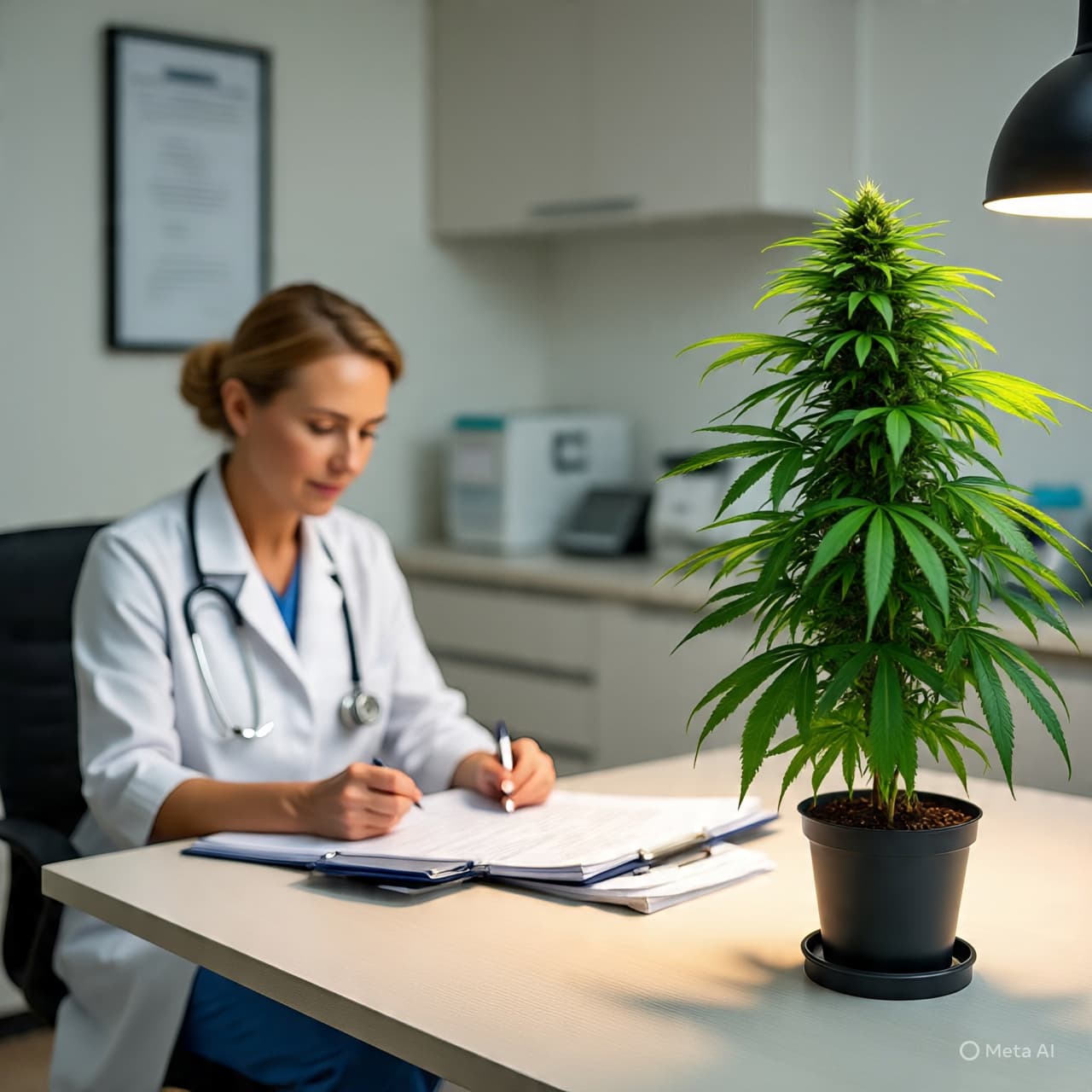
Medical marijuana has long been celebrated for its potential to ease pain, calm anxiety, and improve quality of life for patients with chronic conditions. For many, it represents relief where traditional treatments fall short. Yet a recent large-scale study has cast a sobering light on the practice, raising questions about safety and long-term effects.
Researchers analyzed health outcomes from tens of thousands of medical marijuana patients over multiple years. Their findings indicate elevated risks for certain cardiovascular and mental health complications, suggesting that while the therapy provides relief, it may also carry significant unintended consequences.
Among the most concerning results were higher rates of heart rhythm disturbances, blood pressure changes, and increased incidence of anxiety or depressive episodes in some users. While causation cannot be fully confirmed, the statistical patterns were strong enough to prompt caution among healthcare providers and patients alike.
The study highlights the importance of careful patient monitoring. Physicians are advised to weigh benefits against potential risks, particularly in patients with pre-existing heart conditions, psychiatric disorders, or those taking concurrent medications. Individualized treatment plans remain essential, as one-size-fits-all approaches may inadvertently worsen outcomes for vulnerable patients.
Despite these findings, medical marijuana remains an important tool in contemporary medicine. Its efficacy for pain relief, nausea management, and treatment of certain neurological conditions is supported by both research and patient experiences. However, this new data serves as a reminder that no therapy is without trade-offs, and understanding these risks is crucial for informed decision-making.
Experts stress that moderation, dosage management, and ongoing medical supervision are key to maximizing the benefits of medical marijuana while minimizing potential harms. Open dialogue between patients and healthcare providers can help mitigate risks while preserving the therapeutic advantages that make medical marijuana a viable treatment option.
In a landscape where hope and caution coexist, the study underscores a timeless principle of medicine: understanding both the promise and the potential peril is essential to truly informed care.
Published by Banx Network. This article is part of the Banx decentralized media programme, powered by the BXE token on the XRP Ledger.



