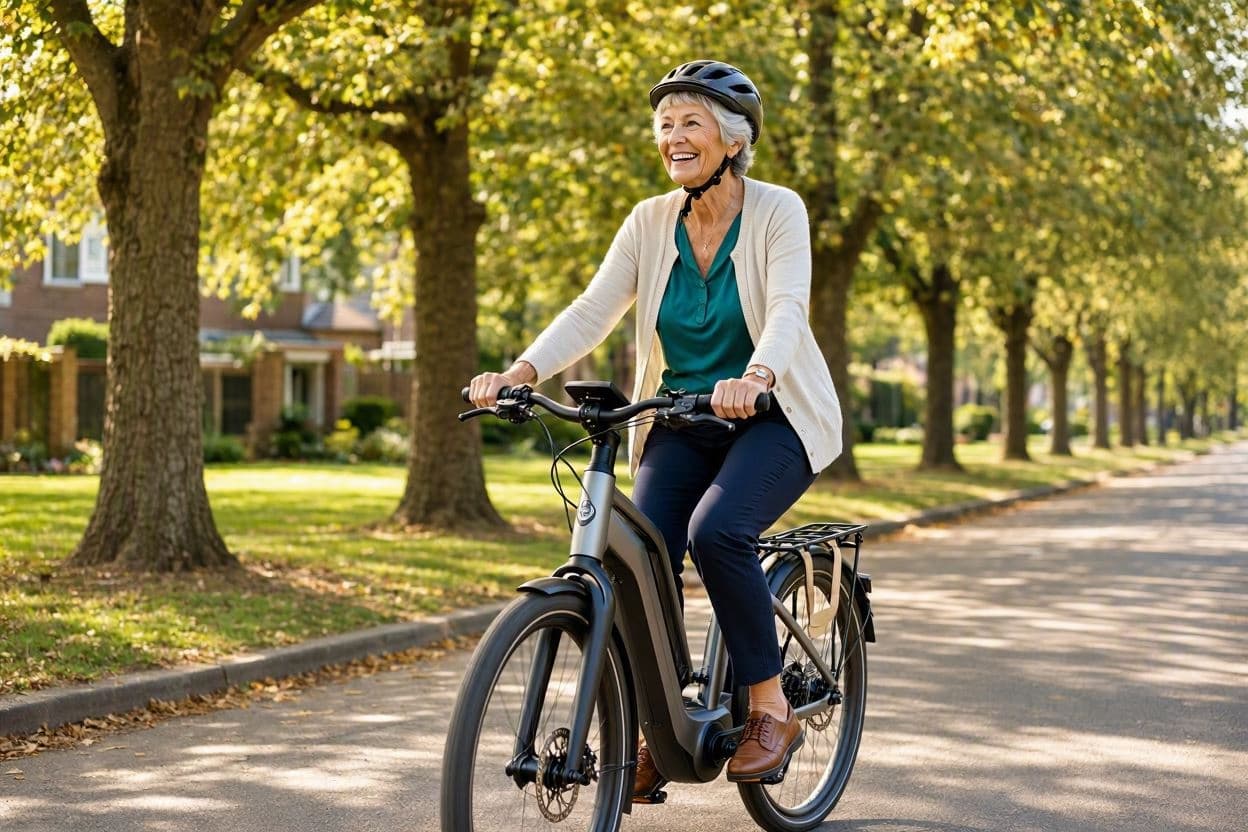
Freedom, in its most tangible form, often comes with the turning of a wheel. For Lea-Anne, a 67-year-old Queenslander, an electric bicycle has been more than just a mode of transport; it has been a key to independence, allowing her to explore her community with ease and joy. Yet, this newfound mobility is now under threat, as regulatory changes propose to restrict e-bike usage for older adults, sparking a debate on safety versus autonomy.
Lea-Anne’s story is not unique. Across Queensland, thousands of seniors have embraced e-bikes as a way to stay active and connected. The pedal-assist technology allows them to overcome physical limitations, such as reduced stamina or joint pain, enabling them to cycle longer distances without exhaustion. For many, it has replaced the car, reducing costs and environmental impact while promoting health. The bike has become a symbol of aging gracefully and actively.
However, recent proposals by transport authorities suggest stricter licensing or age-based restrictions for e-bike riders. The rationale cited is safety, with concerns about reaction times and the potential for accidents involving faster-moving vehicles. Proponents of the rules argue that regulating e-bikes similarly to motorcycles could reduce road incidents. But for riders like Lea-Anne, these measures feel like a punitive overreach that ignores the benefits of active transport.
The backlash from the senior community has been swift and vocal. Advocacy groups argue that such restrictions would disproportionately affect older adults, isolating them and limiting their ability to participate in society. They point out that e-bikes are generally safer than cars for short trips and that education, rather than prohibition, is the better path to road safety. The debate highlights a generational clash in how mobility is perceived and regulated.
Medical experts also weigh in, noting the physical and mental health benefits of cycling for older adults. Regular exercise helps maintain cardiovascular health, balance, and cognitive function. Restricting access to e-bikes could inadvertently lead to a more sedentary lifestyle among seniors, with negative long-term health consequences. The question becomes whether the perceived risk outweighs the proven benefits of active aging.
Queensland’s government is currently reviewing feedback from the public consultation period. The decision will set a precedent for other states considering similar measures. It is a delicate balance between protecting vulnerable road users and preserving their right to move freely. The outcome will depend on how well policymakers can integrate safety data with the lived experiences of older cyclists.
For Lea-Anne, the uncertainty is stressful. She worries that without her e-bike, she will lose her connection to her friends and local shops. Her story humanizes the statistical debate, reminding us that policy decisions have real-world impacts on individual lives. It is a call for empathy and nuanced thinking in the creation of transport laws.
As the review continues, seniors across Queensland are urging authorities to consider alternative solutions, such as mandatory safety courses or lower speed limits, rather than outright bans. The hope is that a compromise can be reached that ensures safety without sacrificing the freedom that so many have come to cherish.
AI Image Disclaimer: Any images used in conjunction with this article are AI-generated simulations and do not represent actual photographic evidence from the scene.
Sources: The Guardian ABC News (Australia) Queensland Government Transport Updates Cycle Safe Australia
Published by Banx Network. This article is part of the Banx decentralized media programme, powered by the BXE token on the XRP Ledger.