
Key Highlights
- Event:Moscow's Victory Day parade was significantly scaled back this year.
- Context:The reduction is linked to ongoing security concerns amid the war in Ukraine.
- Attendance:President Vladimir Putin presided over the ceremony, emphasizing themes of endurance.
This year, Moscow commemorated Victory Day on May 9 with a parade that was markedly quieter than in previous years. The annual event, which celebrates the Soviet Union's victory over Nazi Germany, was notably subdued, reflecting the ongoing war in Ukraine and the heightened security measures in place.
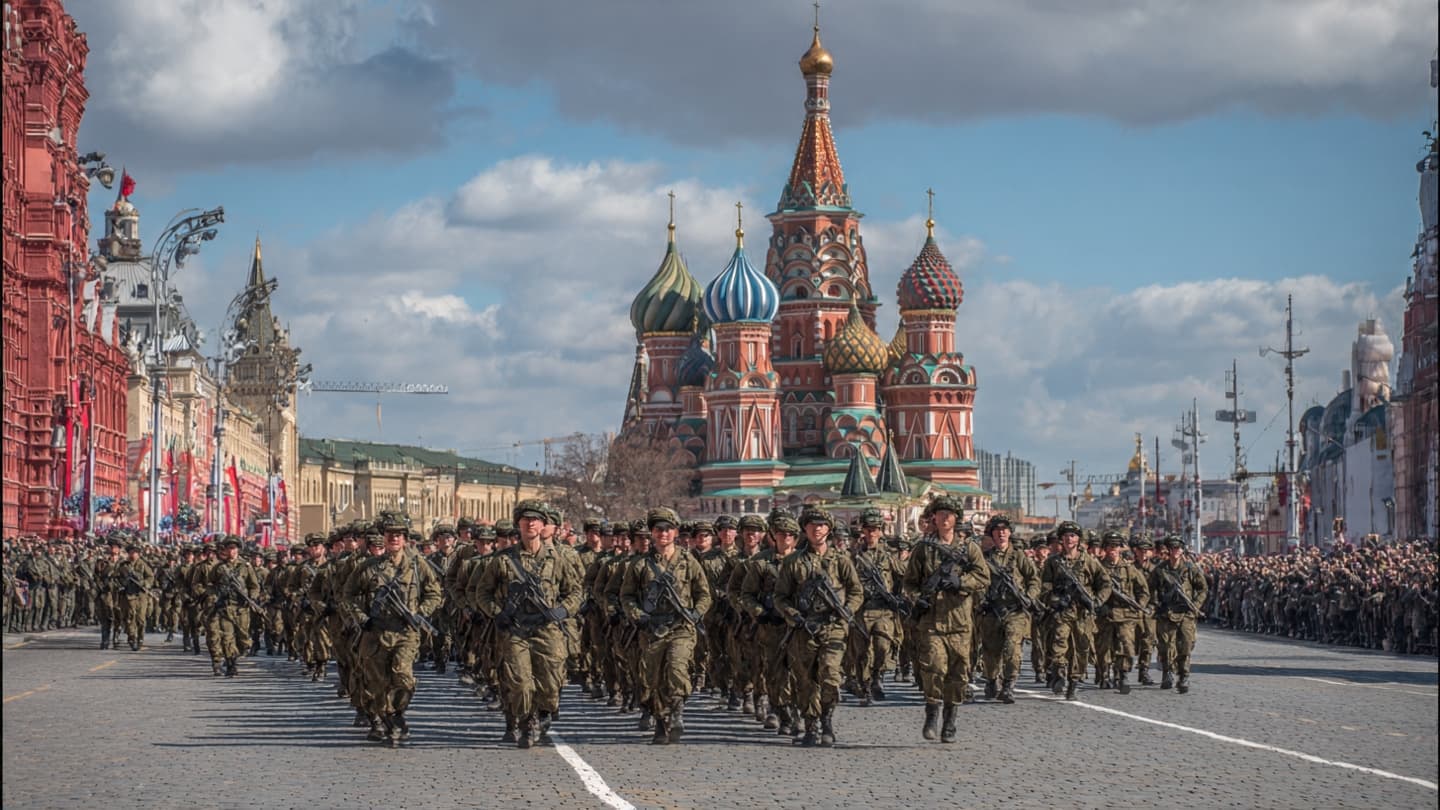
The 2026 Victory Day parade saw a significant reduction in both the scale of the event and the military hardware typically showcased. For the first time in nearly two decades, there was no major column of military equipment parading through Red Square. Russian officials attributed this decision to the current operational environment and security concerns, particularly in light of potential drone threats.
Victory Day has long been a cornerstone of Russian national identity, serving as a powerful reminder of historical sacrifice and resilience. However, this year's ceremony unfolded under a cloud of tension, with increased airport restrictions and security measures across Moscow contributing to a more controlled atmosphere.
President Vladimir Putin attended the event, delivering remarks that reaffirmed the themes of endurance and patriotic memory. His presence was expected, yet the reduced scale of the parade drew international scrutiny, especially as it coincided with a temporary ceasefire related to the ongoing conflict in Ukraine.
The absence of military hardware from the parade was not merely a logistical decision; it altered the visual narrative of the day. While the symbolism of Victory Day remained intact, the lack of traditional displays of military might sent a different message, one that resonated with the current geopolitical climate.
For many Russians, Victory Day is deeply intertwined with personal and familial memories of the Second World War. The emotional weight of the day transcends official ceremonies, reminding citizens of the immense human cost of past conflicts. Despite the parade's reduced scale, the significance of the day remains profound, rooted in collective memory and national pride.
The parade concluded without major incidents, but the broader context of the ongoing war in Ukraine loomed large. As the music faded and the crowds dispersed, the echoes of history continued to resonate, albeit with fewer symbols of military strength on display.
In summary, this year's Victory Day parade in Moscow was a reflection of the times, balancing the need for remembrance with the realities of contemporary security challenges. The event served as a reminder that while history marches on, the narratives we choose to present can shift dramatically based on the circumstances at hand.
Published by Banx Network. This article is part of the Banx decentralized media programme, powered by the BXE token on the XRP Ledger.



