

Key Highlights
- Kimi Antonelli wins his first Formula One race at the Chinese Grand Prix.
- Mercedes achieves a one-two finish with teammate George Russell.
- Toto Wolff's radio message emphasizes focus and mentorship.
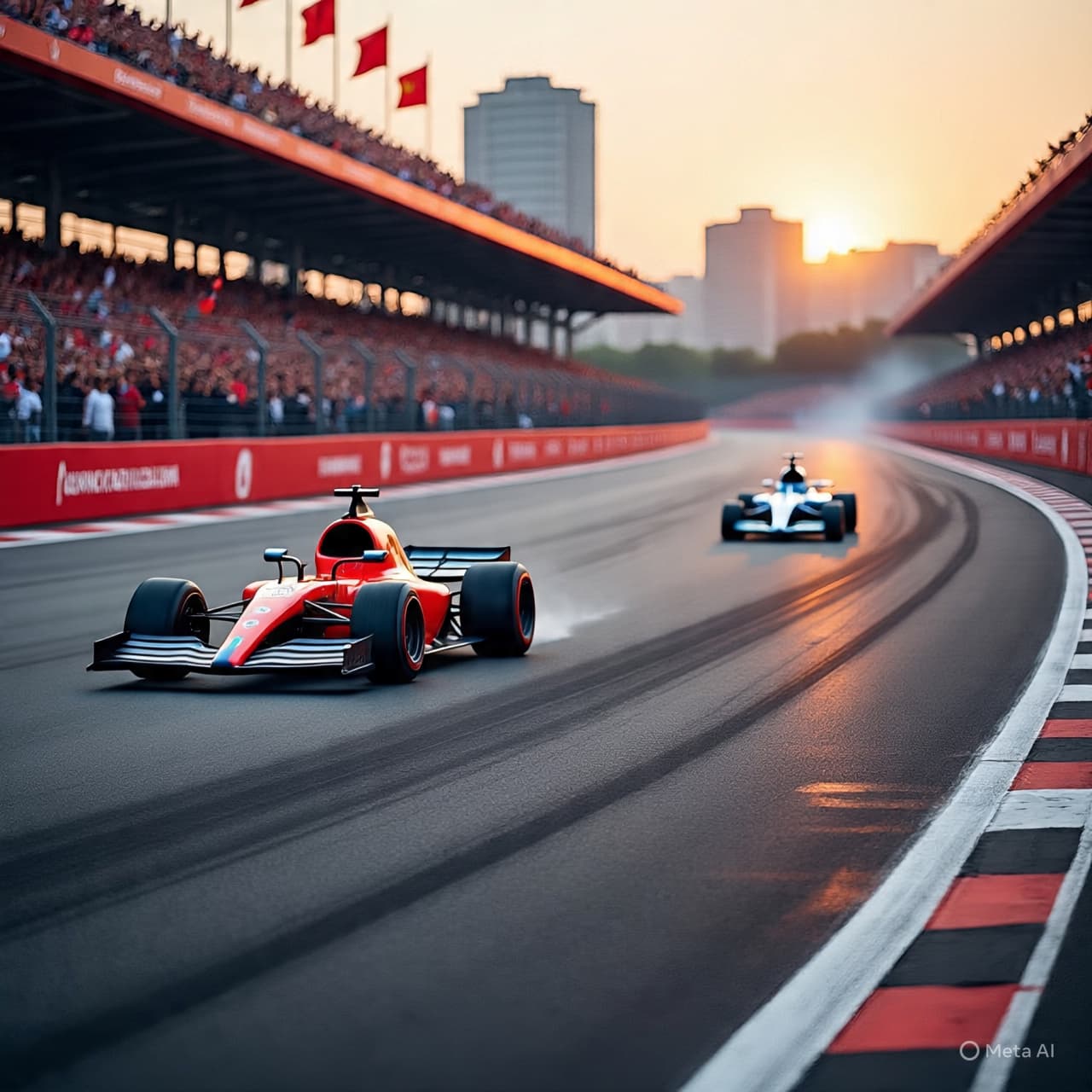
In the world of Formula One, moments of triumph often resonate far beyond the racetrack, echoing the intricate balance of ambition, discipline, and mentorship. At the recent Chinese Grand Prix held in Shanghai, Kimi Antonelli, a mere 19 years old, etched his name into the annals of motorsport history by securing his first victory. This remarkable achievement not only marked him as one of the youngest winners in the sport but also highlighted the dynamic interplay between youth and experience within the Mercedes team.
As Antonelli crossed the finish line, the atmosphere was electric, with the Mercedes team celebrating a one-two finish as teammate George Russell followed closely behind. However, it was a moment of candid communication between Antonelli and team principal Toto Wolff that captured the essence of the race. Wolff's voice crackled over the team radio, urging Antonelli to “stop with this nonsense,” a reminder that underscored the importance of focus amidst the euphoria of victory.
The race itself was a testament to Antonelli's skill and composure. Leading for the majority of the 56 laps, he demonstrated remarkable maturity for his age. Yet, a late-race lock-up served as a stark reminder of the pressures that accompany elite competition. Wolff's message, while seemingly terse, resonated with a deeper meaning: it was a call to channel energy into the race and avoid distractions. This moment encapsulated the mentor-protégé relationship that is vital in the high-stakes environment of Formula One.
Throughout the weekend, the atmosphere in Shanghai was charged with excitement. Antonelli's achievement as the youngest pole-sitter in a full grand prix weekend added to the narrative of his rapid ascent in the sport. Despite the late hiccup, he regained his composure and finished the race with a commanding lead of over five seconds, solidifying his position as a rising star in Formula One.
The reactions from fellow competitors further enriched the occasion. Veteran drivers offered their congratulations, and social media buzzed with images and anecdotes celebrating Antonelli's victory. Yet, amid the accolades, the sport's focus remained on the delicate balance between celebrating success and honing one’s craft. The juxtaposition of youthful exuberance and the wisdom of experience was palpable, reflecting the ongoing narrative of growth and development in motorsport.
Looking ahead, Antonelli's victory is a significant boost for Mercedes as they navigate their 2026 campaign. This win not only narrows the championship gap within the team but also reinforces their confidence in long-term strategies. For a team that has faced both triumphs and challenges in recent years, the race in China serves as a reminder of resilience and renewal.
In conclusion, behind every headline of victory lies a complex interplay of preparation, timing, and human connection. Wolff's brief yet impactful radio message encapsulates a broader theme in motorsport: the balance between encouraging excellence and maintaining focus. As the season progresses, the lessons learned on the track and through team communication will undoubtedly shape the narratives of both drivers and their leaders.
In sports news, Kimi Antonelli's first Formula One win at the Chinese Grand Prix not only highlights his talent but also emphasizes the importance of mentorship and focus in achieving success in a competitive environment.
Published by Banx Network. This article is part of the Banx decentralized media programme, powered by the BXE token on the XRP Ledger.




