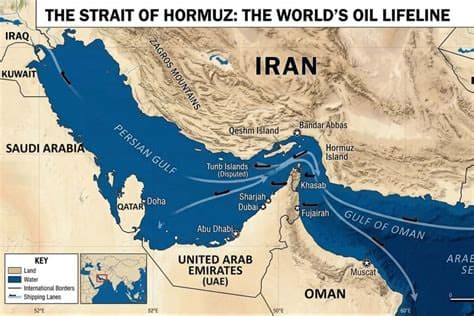
There are moments when the wind seems to change its course without warning, carrying with it the distant sound of something both powerful and unsettling. In the quiet early days of March 2026, as the Middle Eastern sun rose over cities and deserts alike, leaders and citizens found themselves listening once more to the distant rumble of military aircraft, diplomatic cables, and a world adjusting to an abrupt shift in tone. What began as a regional crisis has rippled outward, and with each echo, the United States has signaled that its involvement may not be brief — even as it welcomes allies and braces for a broader chapter of conflict.
When President Donald Trump addressed the nation and the world in recent days, his words carried a mix of resolve and reflection that hinted at duration, not immediacy. In his announcement on the ongoing military campaign against Iran — now named Operation Epic Fury — Trump acknowledged that the United States and its partner Israel had launched a series of air and missile strikes, and he outlined a series of long‑term objectives: dismantling Iran’s missile and naval capabilities, curbing nuclear development, and halting support for proxy forces across the region. Most strikingly, he said the campaign could last “four to five weeks or more” — and that the U.S. stands ready to extend its efforts as long as necessary.
For many observers, the phrase “as long as necessary” carries the gentle weight of ambiguity — a reminder that conflicts, like tides, can retreat or swell without clear boundaries. Trump framed the campaign’s aims as necessary responses to what his administration describes as longstanding threats from Tehran, emphasizing the need to protect American interests and those of regional partners. At the same time, he spoke of casualties among U.S. service members with sober acknowledgement, noting that further losses may occur even as much of the world watches from a distance.
In Washington’s military command centers and allied defense briefings, that sense of preparedness has extended beyond words. A significant U.S. military buildup in the Middle East — among the largest in decades — has brought aircraft carriers, fighter jets, refueling tankers, and support forces into the region, creating a network of assets on alert as operations continue. Analysts see these deployments not only as tactical readiness but as preparations for a campaign that may not fit neatly into the timelines once familiar to policymakers.
Yet for all the technical maneuvering and strategic framing, the human dimension remains quietly present. In nations across Europe and the Gulf, leaders have grappled with the implications of extended U.S. involvement, weighing support for Washington’s objectives against their own citizens’ concern about escalation. Many have pledged diplomatic backing for collective security, even as they call for restraint and avenues toward negotiation.
Back in the United States, Trump’s announcement has resonated within a broader political context — one shaped by differing views on foreign engagement, domestic priorities, and the role of American power overseas. Some lawmakers have praised the president’s resolve, viewing an extended campaign as a necessary demonstration of strength in the face of perceived threats. Others have expressed caution about the risks of a prolonged military campaign, mindful of past conflicts that stretched years beyond initial expectations.
Across ocean‑spanning capitals, citizens watch the same images of skies threaded with aircraft contrails and read the same statements about objectives and timelines; yet their reflections often drift to the same deeper questions: What will come of this moment? How will the decisions made today shape the years ahead, not just for leaders, but for people whose lives unfold in places far from battlefields? These questions echo with the gentlest of urgency, like ripples on a still pond after a distant stone has broken its surface.
As the sun sets over distant horizons and the day’s brief turmoil gives way to a new dawn, global attention remains on the region’s skies and the messages carried by military jets and diplomatic communiqués. In a world where conflicts can appear suddenly but leave their mark quietly over time, the unfolding situation between the United States and Iran — and the U.S. build‑up in the Middle East — stands as a testament to how quickly peace and vigilance can intertwine.
AI Image Disclaimer Illustrations were produced with AI and serve as conceptual depictions.
Sources Reuters, Associated Press (AP News), PBS NewsHour, The Guardian, INGV think pieces.
Published by Banx Network. This article is part of the Banx decentralized media programme, powered by the BXE token on the XRP Ledger.