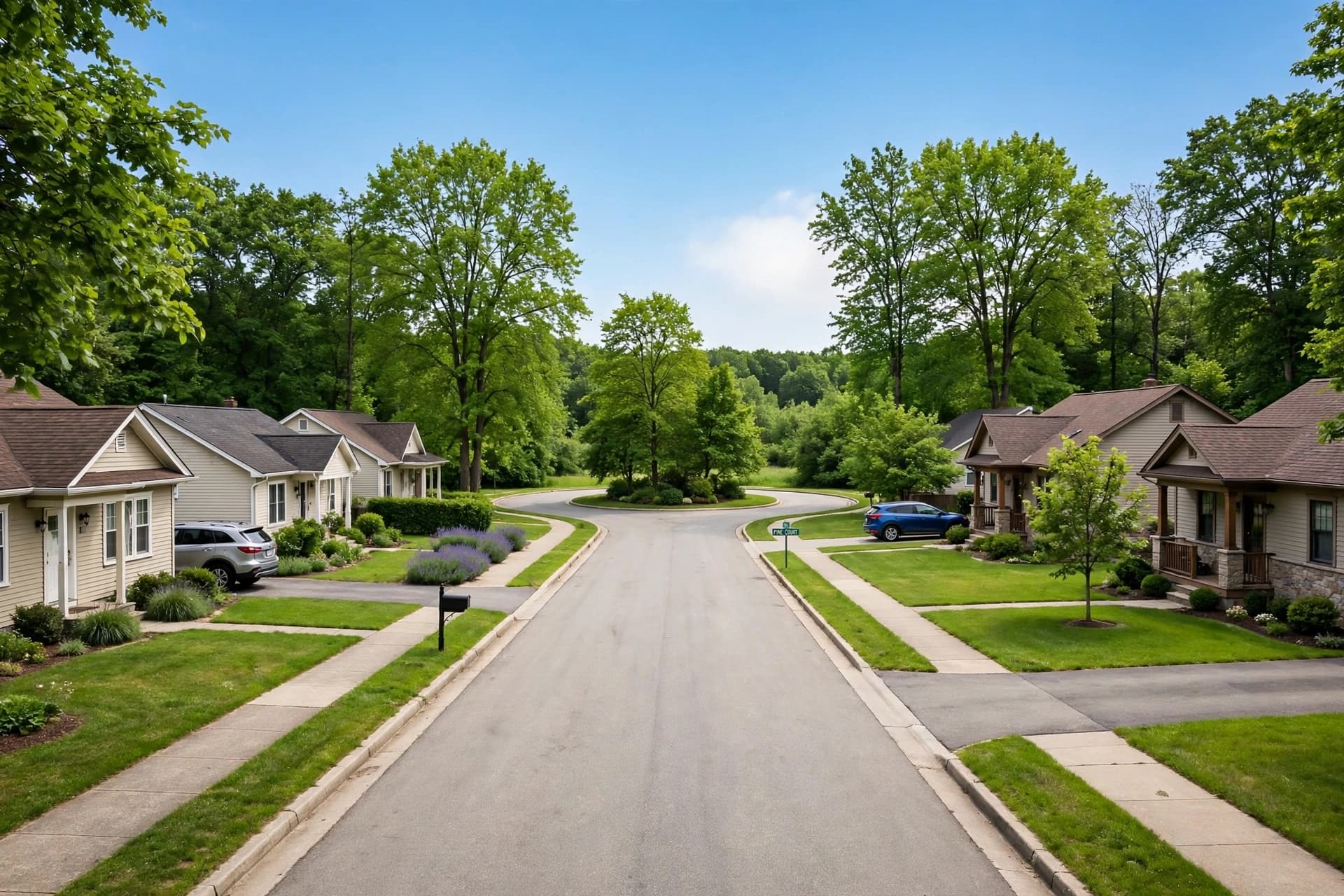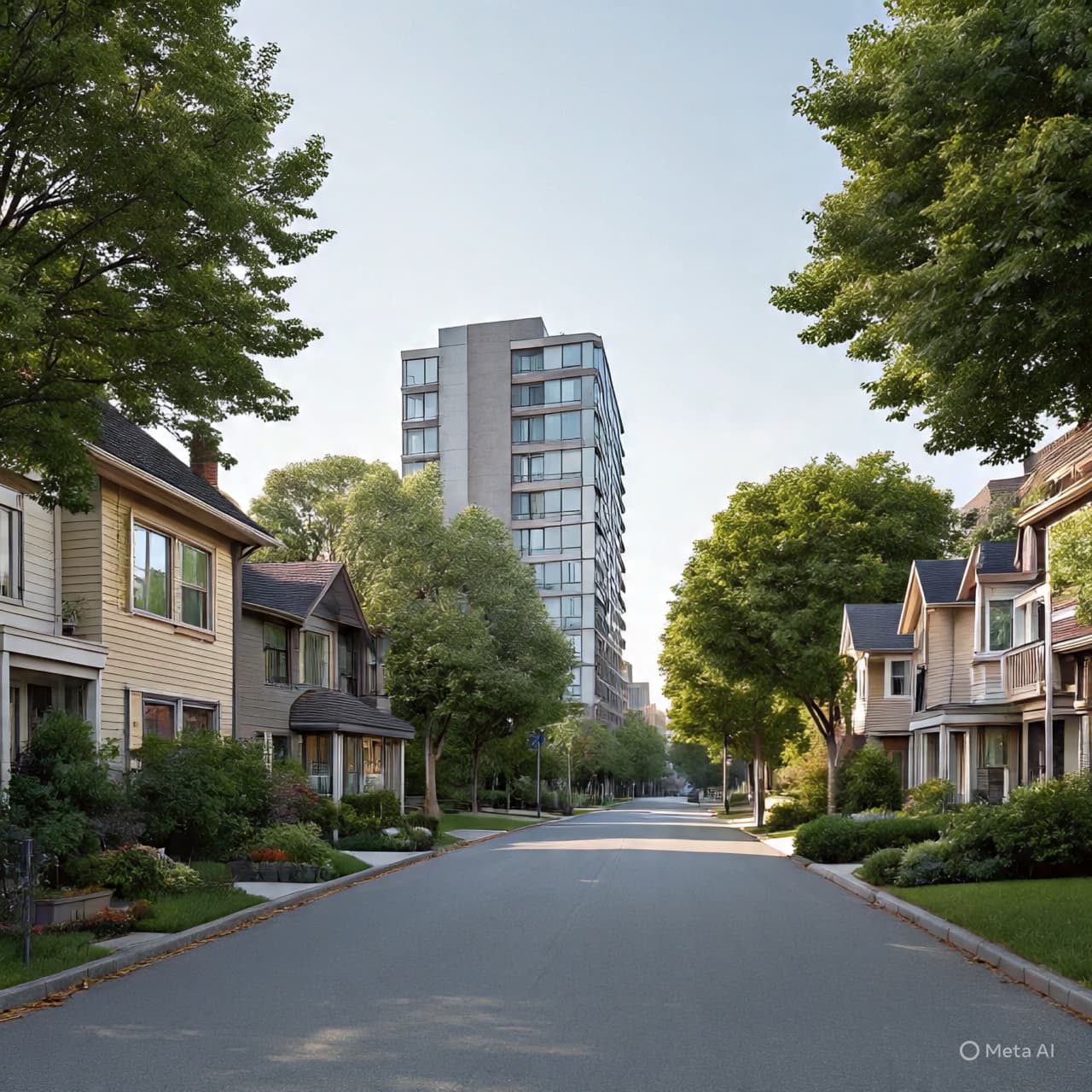
Morning light moves slowly across East Vancouver, touching streets where single homes have long stood in quiet rhythm. For decades, these blocks have carried a certain predictability—lawns trimmed, porches familiar, neighbors known by sight if not always by name. Change here has rarely arrived abruptly; it has tended to seep in gently, like the tide edging closer while most people are still watching the horizon. This week, Vancouver City Council took a step that acknowledges that slow, persistent pull. By approving the rezoning of nearly 2,600 lots in an East Vancouver neighborhood, the city opened the door for six-storey apartment buildings where detached houses once defined the skyline. The decision forms part of Vancouver’s broader effort to respond to rising housing demand, limited land, and a population that continues to grow faster than its available homes. The rezoning allows low-rise apartment buildings, typically six storeys, to replace or sit alongside existing structures. Supporters of the move describe it as a measured shift rather than a dramatic overhaul—one that adds density without reaching for the height and shadow of high-rise towers. In a city where land is scarce and prices remain out of reach for many residents, this approach is framed as a way to gently widen the housing supply while keeping neighborhoods recognizable. For planners, the policy reflects years of discussion about “missing middle” housing—forms that sit between single-family homes and tall condominium towers. Six-storey apartments are seen as a practical compromise, capable of adding hundreds of new homes while still fitting within established streetscapes. Council members emphasized that such buildings can support families, seniors, and renters alike, offering options that have grown increasingly rare in Vancouver’s housing market. Yet the decision also arrives with understandable unease. Some residents worry about construction disruption, parking pressure, and the gradual loss of a neighborhood character shaped over generations. These concerns were voiced during public hearings, where the tone often leaned less toward resistance and more toward uncertainty—questions about how quickly change would come and how carefully it would be managed. City officials have stressed that redevelopment will not happen overnight. Individual projects will still require approvals, and many lots may remain unchanged for years. Infrastructure planning, tenant protections, and design guidelines are expected to play a role in shaping how the new zoning translates into real buildings and lived experience. In approving the rezoning, council framed the move as one piece of a larger housing strategy rather than a single solution. The vote does not promise immediate relief from affordability pressures, nor does it claim to resolve Vancouver’s housing challenges on its own. Instead, it marks another incremental adjustment in a city learning, slowly and deliberately, how to make room for more people without losing its sense of place. AI Image Disclaimer Illustrations were produced with AI and serve as conceptual depictions rather than real photographs.
Source Check :
CBC News The Vancouver Sun The Globe and Mail CTV News Vancouver Daily Hive
Published by Banx Network. This article is part of the Banx decentralized media programme, powered by the BXE token on the XRP Ledger.