

Key Highlights
- CDC Advisory:The Centers for Disease Control and Prevention warns about salmonella infections linked to backyard poultry.
- Health Risks:Salmonella can cause gastrointestinal illness, particularly affecting vulnerable populations.
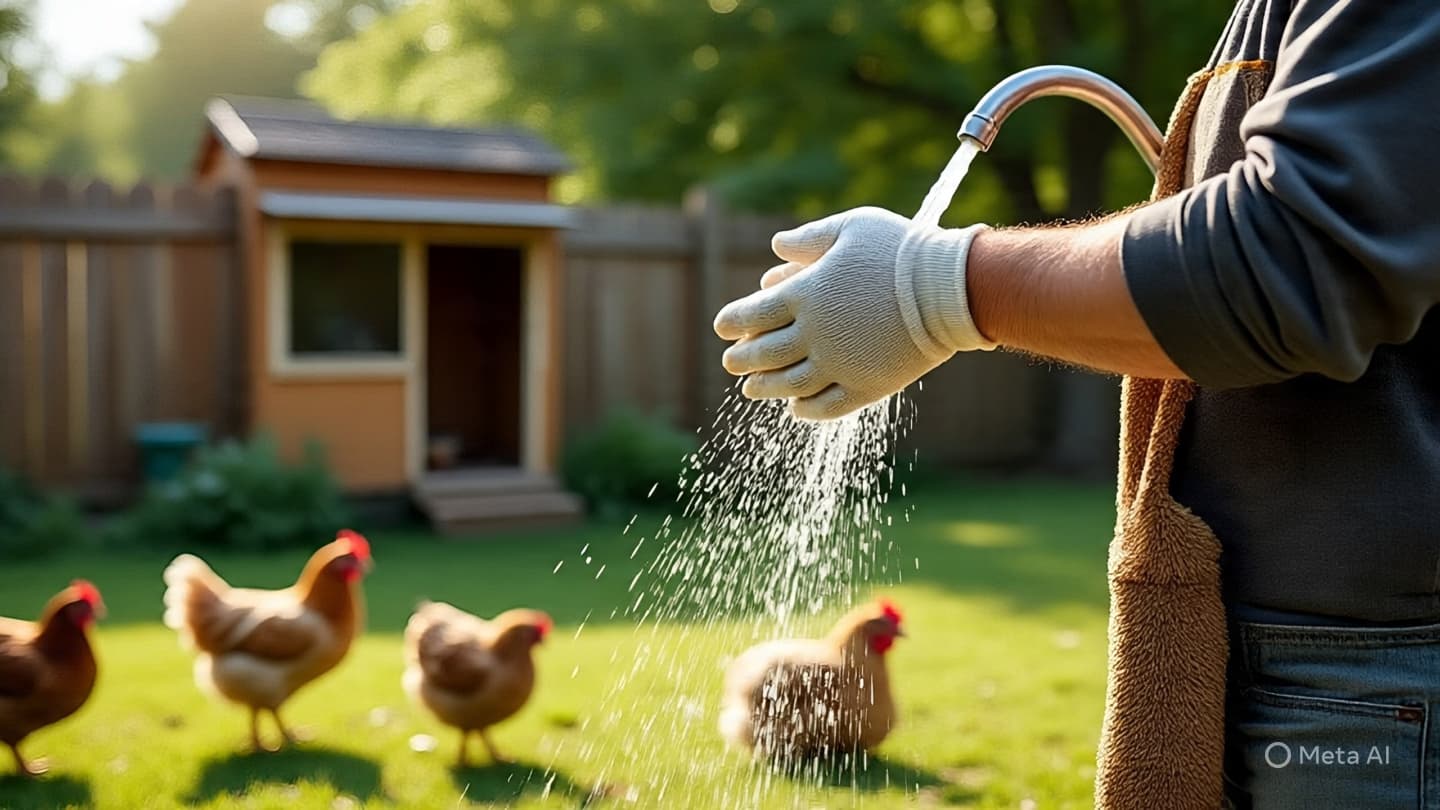
- Safety Measures:The CDC recommends thorough handwashing and avoiding close contact with birds to prevent infection.
The allure of backyard poultry has captivated many households, offering a glimpse into self-sustained living and a connection to nature. However, this seemingly simple endeavor carries hidden risks, particularly concerning health and safety. Recently, the Centers for Disease Control and Prevention (CDC) issued a warning regarding salmonella infections associated with backyard poultry, including chickens and ducks. This advisory highlights the importance of understanding the potential dangers that can arise even in the most tranquil settings.
Salmonella is a bacteria that can lead to gastrointestinal illness, manifesting symptoms such as fever, diarrhea, and abdominal cramps. While many individuals recover without severe complications, certain groups—such as young children, older adults, and those with weakened immune systems—are at a heightened risk. The CDC's warning comes in response to reports of illnesses linked to direct contact with live birds or their environments, underscoring the need for vigilance among poultry owners.
Even healthy-looking backyard poultry can harbor salmonella bacteria. Transmission can occur through direct contact with the birds, as well as through contaminated surfaces, including coops, feed containers, and outdoor areas where the birds roam. The CDC emphasizes that simple preventive measures can significantly reduce the risk of infection. These include thorough handwashing after handling birds or their equipment, avoiding close contact such as kissing or snuggling poultry, and ensuring that birds are kept out of indoor living spaces.
The growing interest in backyard poultry has been fueled by various factors, including a desire for food sustainability and personal preference for fresh eggs. This trend has brought renewed attention to the importance of safe handling practices. Health officials stress that awareness is crucial; rather than avoiding backyard poultry altogether, individuals should educate themselves about the risks and adopt appropriate precautions to maintain both animal and human health.
Educational outreach plays a vital role in public health strategy, particularly for new poultry owners. Ensuring that they receive guidance on safe practices can help mitigate health concerns that arise not only in large-scale farming but also in everyday domestic environments. The CDC's advisory serves as a practical reminder that small habits, such as proper hygiene and awareness of potential risks, can make a significant difference in protecting health.
As backyard poultry continues to be a cherished aspect of many households, the CDC's guidance is a timely reminder of the balance required between enjoying the benefits of poultry ownership and safeguarding health. By implementing recommended safety measures, individuals can enjoy their backyard flocks while minimizing the risk of salmonella infections.
Published by Banx Network. This article is part of the Banx decentralized media programme, powered by the BXE token on the XRP Ledger.




