

Key Highlights
- Protesters blocked access to a key refinery in Ireland, disrupting fuel distribution.
- Police intervened to restore access, balancing the right to protest with public order.
- The blockade highlighted rising living costs and economic pressures faced by communities.
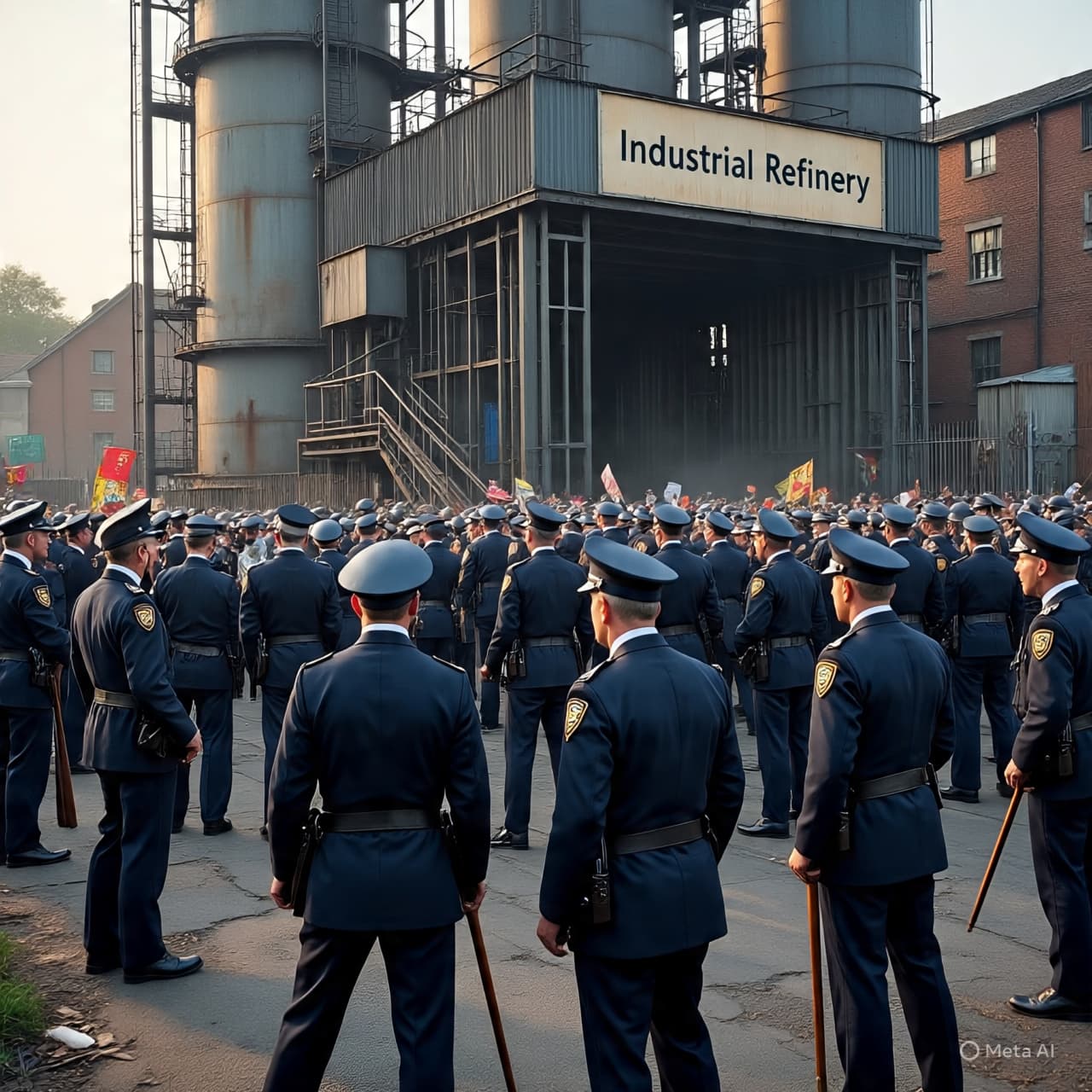
Protests in Ireland recently brought significant disruption as demonstrators gathered near a key refinery, blocking access and halting fuel distribution. The protest was fueled by rising fuel costs and broader economic pressures, leading to a situation where the lines between peaceful assembly and public inconvenience became increasingly blurred. As protesters voiced their frustrations, the impact on local businesses and commuters became evident, with delays and shortages rippling through the community.
In response to the escalating situation, Irish police intervened to clear the area and restore access to the refinery. The operation was conducted with a focus on coordination and restraint, ultimately resulting in the reopening of the facility. Authorities emphasized the importance of balancing the right to protest with the need for essential services to remain operational. This delicate balance is crucial, especially in times of heightened economic strain.
The blockade had immediate consequences for fuel distribution networks, which are particularly sensitive to interruptions. Businesses faced delays in receiving supplies, while commuters experienced longer travel times. The disruption underscored the interconnectedness of local actions and their broader implications on the economy.
Protesters argued that their actions were a reflection of deeper frustrations within the community. Rising living costs and energy concerns have become central issues for many, and the demonstration was not solely about fuel prices but rather a manifestation of widespread economic strain. Participants expressed a desire for their voices to be heard, highlighting the urgency of addressing these pressing issues.
Officials acknowledged the protesters' concerns but reiterated the necessity of maintaining access to critical infrastructure. They suggested that dialogue remains the preferred path forward, although the tensions observed during the protest indicated the complexities involved in reaching a consensus. The mixed public reaction to the protests further illustrates the challenges of advocacy in the face of public inconvenience.
As normal operations resume, the focus shifts to finding long-term solutions to the underlying issues that sparked the protests. Policymakers are now faced with the challenge of addressing the economic pressures without escalating tensions further. The events serve as a reminder of how quickly local actions can lead to wider consequences, and the conversation surrounding these issues is far from over.
In Ireland, while the refinery has reopened and roads are clear once again, the questions raised during the protests linger, quietly accompanying the restored flow of traffic.
Published by Banx Network. This article is part of the Banx decentralized media programme, powered by the BXE token on the XRP Ledger.




