Trust is the currency of public service, especially in agencies tasked with the highest levels of security. When that trust is questioned, the repercussions can ripple through the entire organization. The United States Secret Service, known for its discretion and professionalism, is currently navigating a period of scrutiny. A spokesperson for the agency has been placed on administrative leave amid an ongoing investigation, a move that highlights the rigorous standards expected of those who protect the nation’s leaders.
The decision to place the spokesperson on leave comes as part of a broader internal review. While specific details of the investigation remain confidential, such actions are typically taken to ensure the integrity of the process and to maintain public confidence. The Secret Service has emphasized that this is a procedural step, not a presumption of guilt, allowing for an unbiased examination of the facts.
This incident occurs against a backdrop of increased pressure on the agency. Following recent security challenges and high-profile incidents, the Secret Service has faced heightened congressional oversight and public criticism. The placement of a senior communications official on leave underscores the seriousness with which the agency is addressing internal concerns and striving for accountability.
The role of a spokesperson is critical in shaping public perception and communicating during crises. Any compromise in this position can have significant implications for the agency’s reputation. By acting swiftly, the Secret Service aims to demonstrate its commitment to transparency and ethical conduct, even when the news is uncomfortable.
Colleagues and experts note that administrative leave is a standard practice in federal investigations. It allows investigators to gather evidence without interference and protects the rights of the individual involved. However, in the court of public opinion, such moves are often interpreted as signs of deeper issues, prompting calls for further reform.
The investigation is being conducted by internal affairs and possibly external oversight bodies, ensuring a thorough review. The outcome will likely influence future hiring practices, training protocols, and communication strategies within the agency. It serves as a reminder that even the most elite institutions are not immune to the need for continuous improvement.
For the public, this development raises questions about the stability and reliability of the protective apparatus. Yet, it also shows that mechanisms for accountability are in place. The ability to self-correct is a sign of institutional health, suggesting that the Secret Service is willing to confront its challenges head-on.
The Secret Service has stated that it will provide updates as appropriate, respecting the confidentiality of the investigation. Meanwhile, the agency continues its core mission of protecting national leaders, undeterred by the current administrative proceedings.
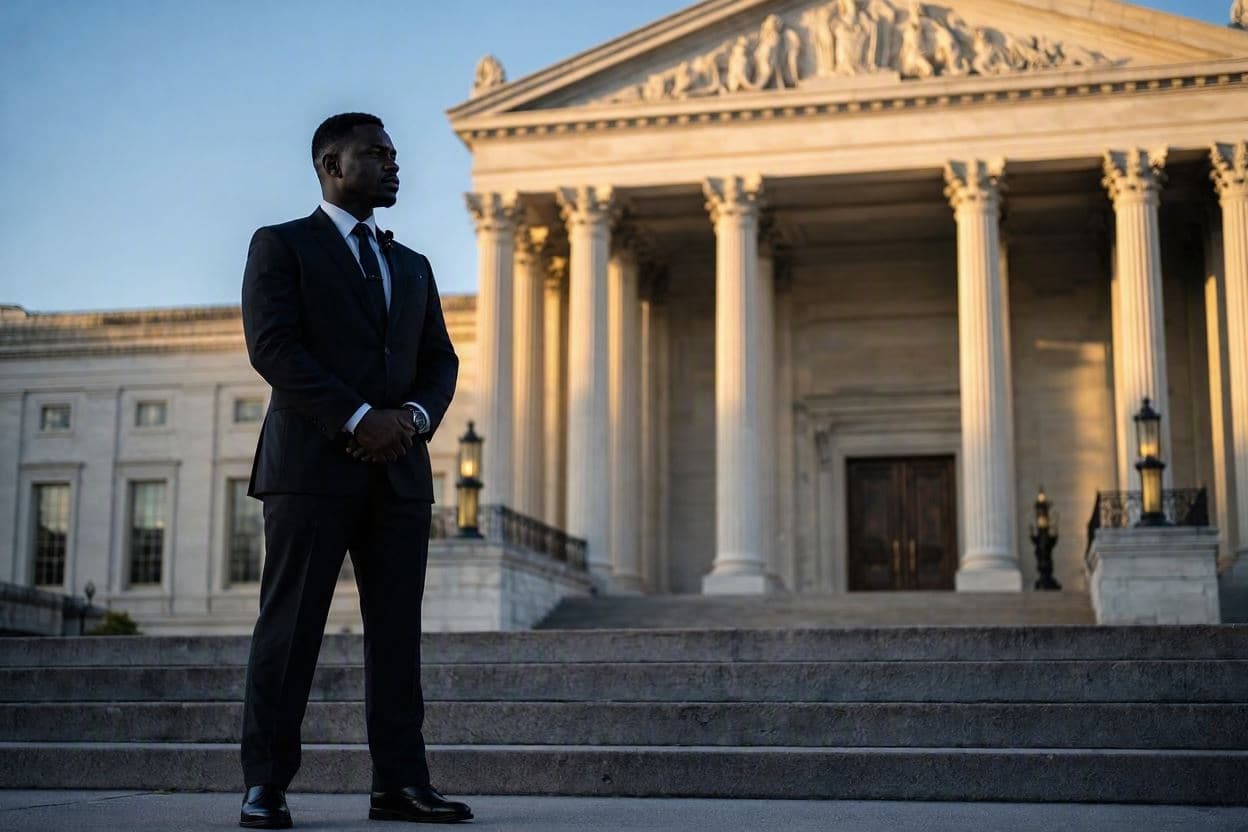
AI Image Disclaimer: Please be aware that any images accompanying this article are AI-generated illustrations designed to evoke the themes of government accountability, security, and official proceedings.
Sources: CNN The Washington Post Reuters Associated Press NBC News
Published by Banx Network. This article is part of the Banx decentralized media programme, powered by the BXE token on the XRP Ledger.