
Key Highlights
- PF4 Protein:A key player in clotting disorders linked to adenovirus infections.
- Immune Response:The immune system can misinterpret signals, leading to complications.
- Clinical Implications:Understanding PF4 interactions may improve patient outcomes.
Recent research has illuminated a complex interaction between the immune system and a protein known as PF4, which has been implicated in rare clotting disorders following adenovirus infections and certain vaccinations. This phenomenon underscores the delicate balance of our immune responses, where protective mechanisms can sometimes misfire, leading to unintended consequences.
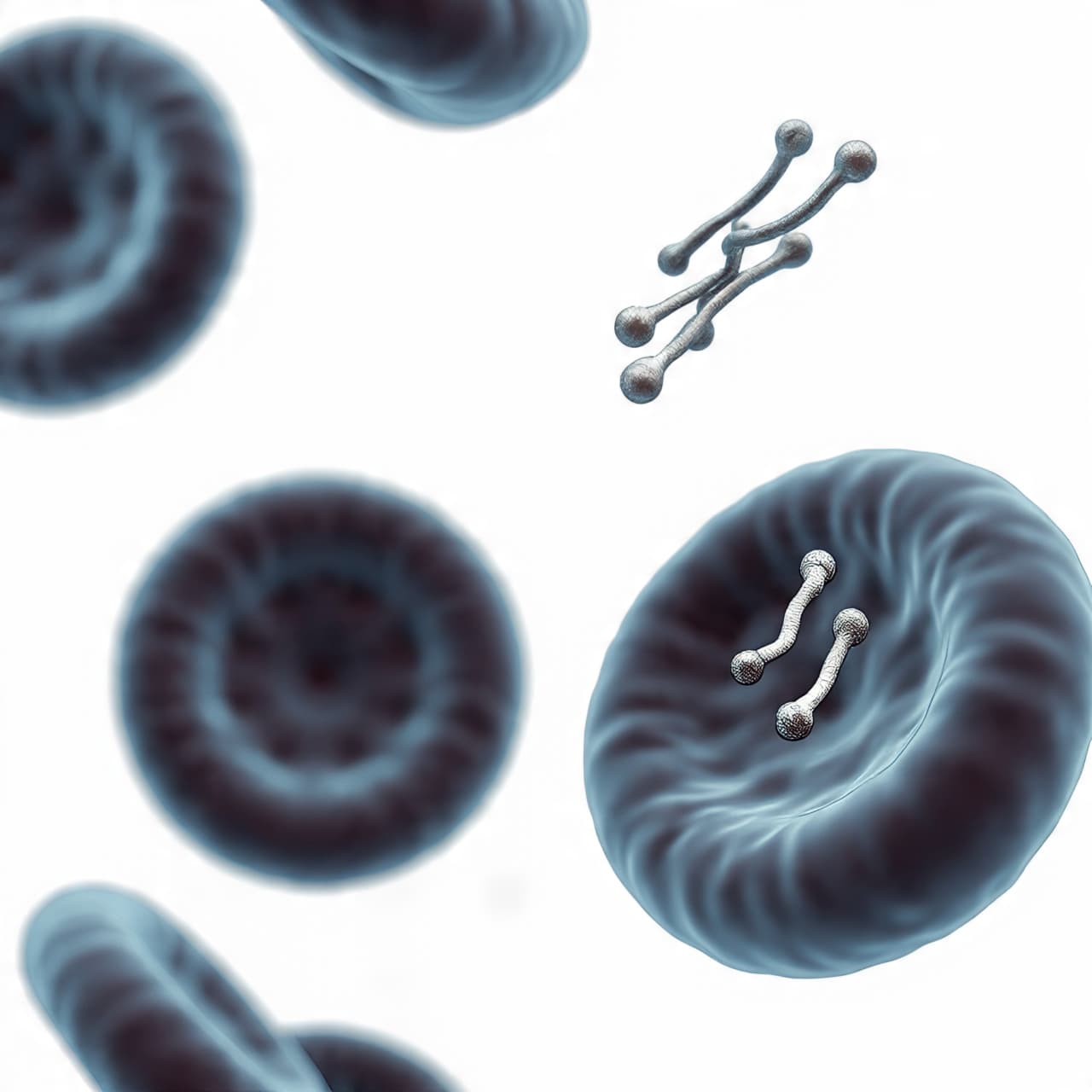
The PF4 protein, typically involved in blood coagulation, has emerged as a focal point in discussions about these rare clotting events. Researchers have observed that in some individuals, the immune system's response to adenoviruses can inadvertently trigger an autoimmune-like reaction against PF4. This misinterpretation of signals can result in the formation of blood clots, presenting a paradox where the body's defense mechanisms become a source of distress.
When an adenovirus enters the body, it is recognized as a foreign entity, prompting the immune system to mobilize. However, in certain cases, this response can lead to a transformation of PF4, causing the immune system to mistakenly target it. This misalignment highlights the complexity of immune signaling and the potential for adverse reactions even in well-intentioned protective responses.
The formation of complexes involving PF4 acts as a beacon for immune cells, signaling for help in the absence of an actual infection. This misguided response can lead to clot formation, challenging the normal flow of health and raising questions about the safety of certain medical interventions. Researchers emphasize that while these events are rare, they warrant careful consideration and further investigation.
The journey to understanding PF4's role in these disorders has been meticulous, moving from observational studies to a deeper exploration of molecular interactions. By examining how PF4 behaves under specific conditions, scientists aim to unravel the mechanisms behind these rare occurrences. This research not only enhances our understanding of the immune system but also informs clinical practices, emphasizing the need for ongoing vigilance and inquiry.
As we advance in medical science, the findings related to PF4 serve as a reminder of the intricate relationship between our biology and the external world. They highlight the importance of recognizing individual variability in immune responses, suggesting that what may be a benign signal for one person could trigger a significant reaction in another. This nuanced understanding can guide future research and clinical approaches, ultimately improving patient care.
In conclusion, the research surrounding PF4 and its interactions with viral triggers sheds light on the complexities of the immune system. By identifying these triggers and understanding their implications, we can better navigate the delicate balance between protection and potential harm, paving the way for safer medical practices and enhanced patient outcomes.
Published by Banx Network. This article is part of the Banx decentralized media programme, powered by the BXE token on the XRP Ledger.



