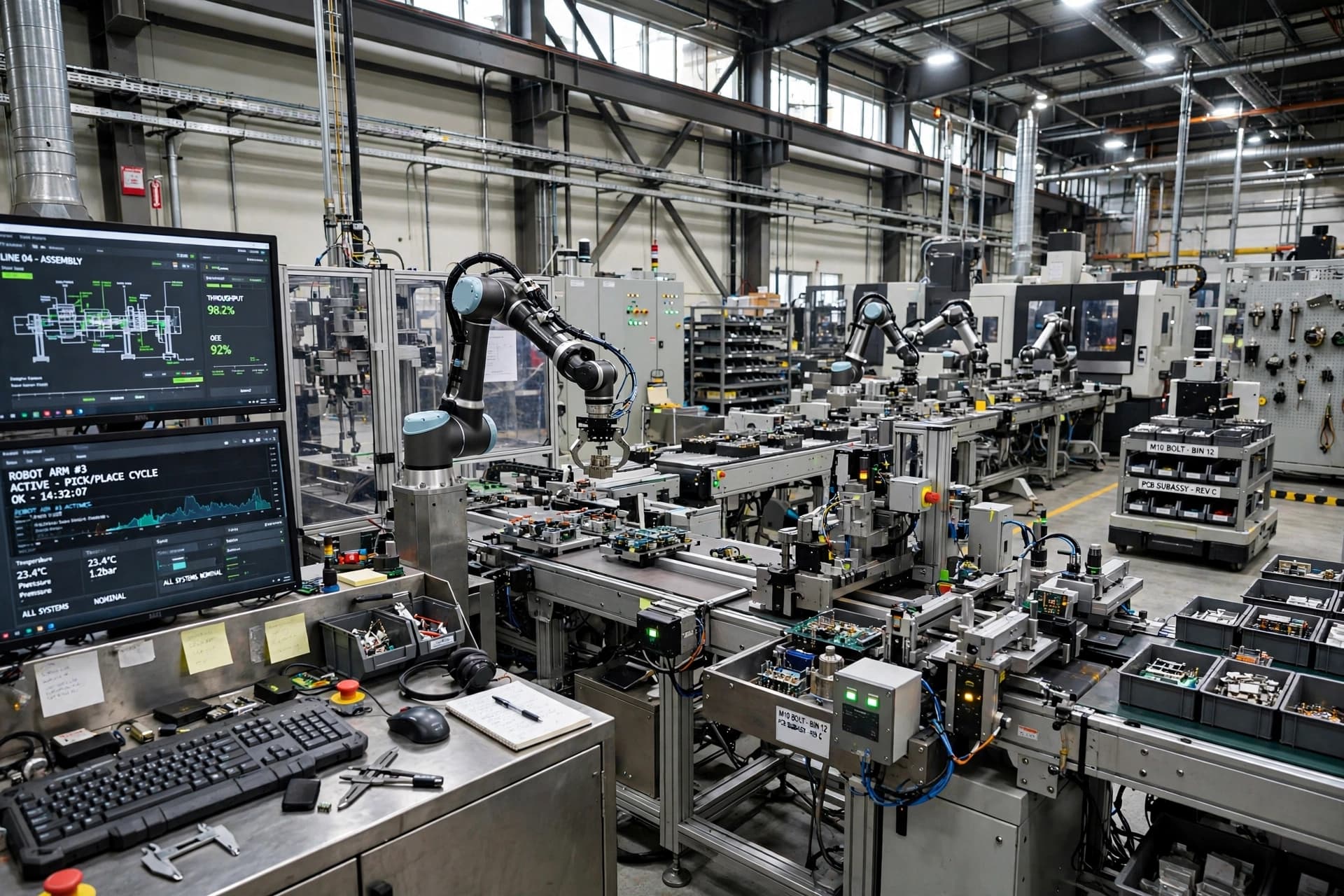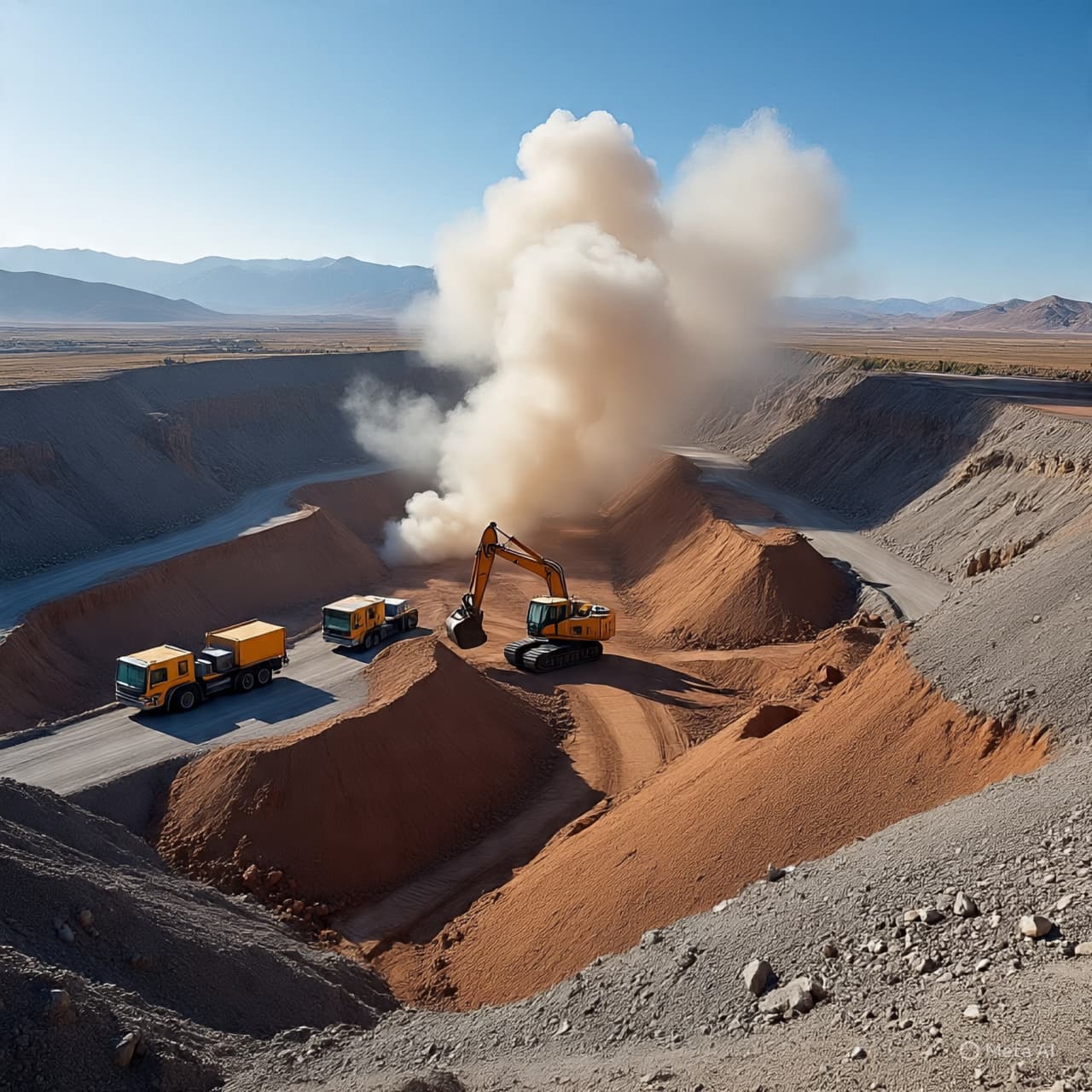
In the sprawling landscape of critical minerals, where rare earth elements are both prized and precarious, companies often find their paths shaped as much by policy winds as by market forces. For MP Materials, the fourth quarter of 2025 represented just such a pivot — a moment when strategic public support helped transform a year marked by challenges into one ending with tangible financial gain. The story of that turnaround is not merely in the numbers but in the interplay between industry and intention, between raw geology and strategic choice.
Reporting this week across financial news outlets reveals that MP Materials swung to a fourth‑quarter profit after previously posting losses, driven in large part by a price support agreement with the U.S. government and growing sales of magnetic materials. In the language of Wall Street, this was a beat that exceeded expectations; in the language of industrial geopolitics, it was a signal of how public‑private collaboration can influence the trajectory of a resource‑dependent company.
Rare earth elements, a collection of 17 metals critical to modern technologies — from electric vehicles to defense systems — have for decades seen much of their value chain dominated by Chinese processing. MP Materials, which operates the only scaled rare earths mine in North America and has been building out processing capabilities in California and magnet production in Texas, found its top‑line performance buoyed by an income of roughly $51 million tied to a U.S. government price protection mechanism.
The numbers illustrate the shift with evocative clarity. Net income for the quarter reached about $9.4 million, a marked reversal from a prior‑year loss — a journey from the red to the black that many resource firms long for but few achieve without supportive conditions. Excluding one‑time items, adjusted earnings per share also beat expectations, underscoring that profitability was not simply a statistical quirk but reflected underlying commercial progress.
Yet it is important to reflect gently on what this snapshot conveys about the broader industry landscape. Revenue remains influenced by timing effects and strategic changes — including decisions made to redirect concentrate sales away from previous channels — even as the magnetics segment gains prominence. The narrative of recovery carries nuance: profit does not erase volatility, nor does it remove the complex terrain of global competition.
The benign shift in financial performance also invites consideration of how government policy and industrial strategy intersect. A stabilized price floor and collaborative frameworks create conditions that reduce immediate risk and create space for longer‑term investment in domestic processing and value‑added production. In this light, MP Materials’ turnaround is not an isolated profit story but a reflection of how broader policy ecosystems can elevate nascent industrial capabilities.
Investors reacted to the mixed signals: while profitability improved, shares declined modestly in after‑hours trading, a reminder that markets weigh both achievement and uncertainty. Such balance suggests that while profit is welcome, questions about sustainable demand, supply chain positioning, and competitive context remain active in the minds of stakeholders.
As the rare earths sector continues to evolve, MP Materials’ latest quarter offers both reassurance and caution. The company’s progress toward more integrated production — from mining to downstream magnet output — reflects a long‑term vision. At the same time, the immediate backdrop in which government support played a decisive role underscores how emerging industrial narratives are deeply interwoven with policy dynamics.
MP Materials reported a fourth‑quarter profit of roughly $9.4 million for the quarter ended December 31, 2025, reversing a prior loss and exceeding analysts’ expectations. The turnaround was significantly supported by a U.S. government price protection agreement and magnetic materials sales; the company also outlined plans for expanded magnet production capacity.
AI Image Disclaimer: Visuals are created with AI tools and are not real photographs.
Sources (Media Names Only): Reuters Bloomberg The Wall Street Journal Barron’s CNBC
Published by Banx Network. This article is part of the Banx decentralized media programme, powered by the BXE token on the XRP Ledger.