
Key Highlights
- Preventive care is gaining renewed focus across the U.S.
- Technology plays a crucial role in early health interventions.
- Economic benefits of preventive healthcare are significant.
Preventive healthcare is increasingly recognized as a critical component of public health, especially as the nation grapples with the ongoing challenges posed by various health crises. While hospitals and healthcare providers often receive the spotlight during emergencies, experts argue that the most significant improvements in public health occur long before patients require treatment. This shift towards preventive care reflects a growing consensus that proactive measures can lead to healthier futures.
Preventive care includes a wide array of initiatives such as screenings, vaccinations, health education, and lifestyle support programs. These efforts aim to identify health risks early, thereby reducing the likelihood of severe health issues developing later. By prioritizing prevention, healthcare systems aim not only to improve patient outcomes but also to lower long-term healthcare costs, which can be a significant burden on both individuals and society.
The integration of technology into preventive healthcare is transforming how individuals and healthcare providers approach health management. Digital health platforms, wearable devices, and remote monitoring systems enable real-time tracking of health indicators, facilitating earlier interventions and more personalized care. For instance, wearable fitness trackers can alert users to irregular heart rates, prompting timely medical consultations that could prevent more serious conditions.
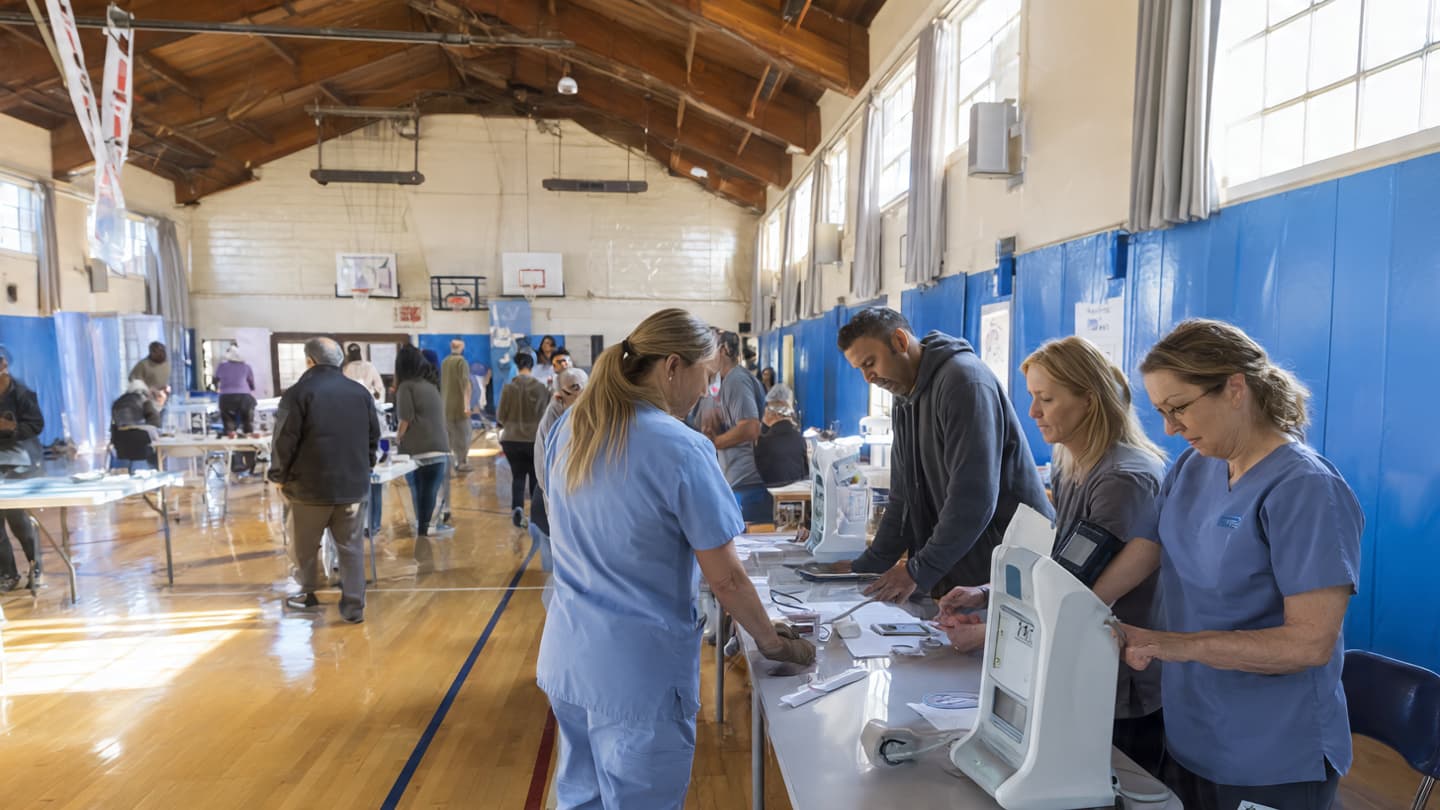
Community engagement remains a cornerstone of effective preventive healthcare. Public health organizations are increasingly focusing on educational campaigns and local partnerships to connect healthcare resources with underserved populations. These initiatives aim to build trust and ensure that individuals have access to the preventive services they need. By addressing barriers to access, such as transportation and financial constraints, these organizations can enhance the effectiveness of preventive strategies.
In addition to community outreach, medical researchers are leveraging advancements in data analysis and predictive technologies to identify risk factors before symptoms manifest. This proactive approach allows healthcare professionals to understand disease patterns better and implement interventions at earlier stages, potentially reducing the incidence of chronic diseases.
The economic implications of preventive healthcare are substantial. Healthier populations tend to incur lower healthcare costs, experience improved productivity, and enjoy a higher quality of life. Policymakers increasingly view prevention not just as a health priority but also as a sound economic investment. For example, studies have shown that every dollar spent on preventive care can save multiple dollars in future healthcare costs, making a compelling case for increased funding and support.
Workplace wellness programs are another area where preventive care is gaining traction. Employers are recognizing that investing in employee health can lead to better outcomes for both workers and organizations. Programs that promote nutrition, physical activity, and mental well-being are becoming more popular, reflecting a broader understanding of the link between employee health and organizational success.
Despite the progress being made, challenges remain in the realm of preventive healthcare. Disparities in access to healthcare services continue to pose significant obstacles, and sustained public engagement is necessary to ensure the success of preventive strategies. Long-term commitment from both healthcare providers and the community is essential to achieve meaningful results.
As healthcare systems evolve, the role of preventive care is likely to expand. By focusing on wellness, early detection, and proactive intervention, health organizations aim to create a future where better health outcomes are achieved long before illness takes hold. This paradigm shift not only promises to enhance individual health but also to strengthen the overall health of communities across the nation.
Published by Banx Network. This article is part of the Banx decentralized media programme, powered by the BXE token on the XRP Ledger.



