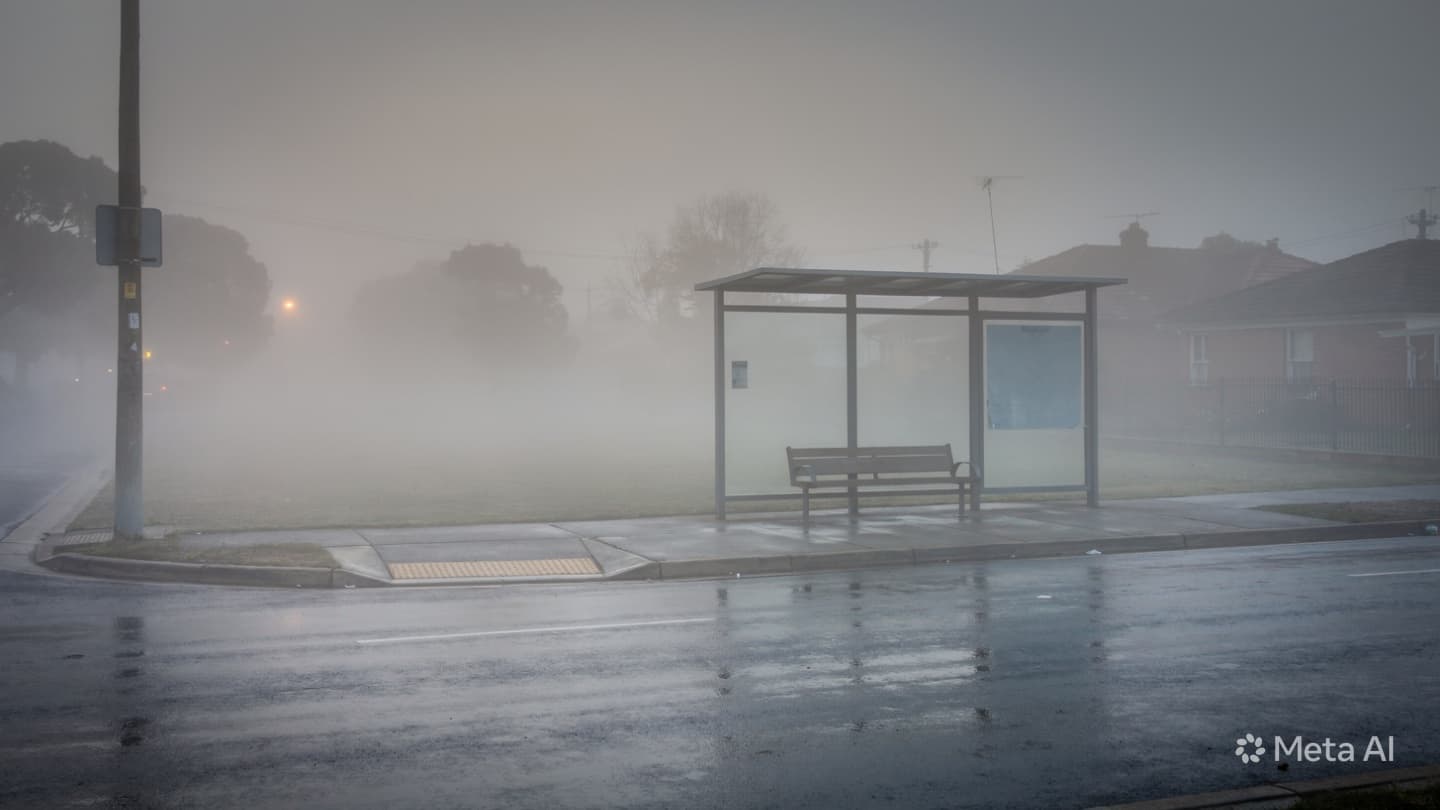
There is a particular kind of silence that settles over a neighborhood when someone is suddenly no longer there. It is not the quiet of peace, but the heavy, expectant stillness of an unanswered question. When a person vanishes from the familiar routes of Kogarah—the streets they walked, the shops they visited, the rhythm they maintained—the space they occupied becomes a void, a persistent reminder that the map of our daily lives is far more fragile than we care to admit. The search for a missing person is, in essence, a search for the thread that once held a corner of our community together.
To go missing is to step out of the shared light of day and into the long, stretching shadows of uncertainty. For the woman now being sought by authorities, the mundane act of being present has been replaced by an absence that weighs heavily on family and community alike. When the police issue an appeal, they are doing more than simply circulating a description; they are casting a net of collective memory, hoping that a familiar face might be recognized in the blur of passing strangers, or that a forgotten detail might suddenly click into place for someone who crossed her path.
The police, in their role as the architects of this search, move through the neighborhood with a specific, determined purpose. They look for the tangible—the last known location, the clothing worn, the direction taken—but they are also navigating the emotional landscape of the missing. Each inquiry is a quiet gesture toward restoration, an attempt to bridge the distance between here and where she might be. It is a slow, methodical process that demands both the precision of evidence gathering and the sensitivity of those who know that every hour adds weight to the growing concern.
As residents, we look with a different set of eyes, suddenly hyper-aware of the faces we pass on the way to the station or the market. Kogarah, usually a collection of distinct, busy lives, briefly unites in a shared awareness of the missing. We see her photograph, we read the details of her appearance, and we try to project that image onto the reality of the streets. It is a strange, haunting exercise in empathy, trying to reconstruct the final moments of a trajectory that has been abruptly interrupted, leaving only echoes in its wake.
This uncertainty acts as a lens through which we view our own surroundings. We begin to notice the edges of our neighborhood—the quiet parks, the dim corners of the station, the hidden passages between buildings—not as obstacles, but as possibilities. The search for a missing woman turns every neighbor into a potential witness, every observer into a participant in the unfolding narrative. It is a profound, albeit painful, reminder of the interconnectedness of a community, where one person’s absence can disrupt the equilibrium of the entire area.
Days stretch into nights, and the urgency of the initial appeal slowly evolves into the steady, grueling persistence of a long-term search. The police updates, while sparse, serve as the heartbeats of the investigation, providing just enough information to keep the hope of resolution alive. For those close to her, the wait is a physical presence, a constant pressure that colors every interaction. They look to the authorities for answers, but they also look to the community, hoping that the vigilance of neighbors will provide the key to bringing her home.
The landscape of Kogarah, meanwhile, continues its indifferent march of days. Trains arrive and depart, commuters fill the streets, and the sun rises and sets with the same reliable regularity. Yet, beneath this surface, there is the lingering, quiet concern for the woman whose path is currently unknown. The search continues, defined by the hope that the story is not yet finished, that the final chapter is one of return rather than merely the enduring mystery of an absence.
Ultimately, we are left to reflect on the nature of being known and the importance of being present. Every missing person appeal is a call to recognize the humanity of our neighbors, to acknowledge that our lives are woven together in ways we often overlook until a thread is pulled. As the investigation in Kogarah unfolds, the goal remains singular: to find the missing woman, to restore the broken rhythm, and to replace the heavy silence of her absence with the relief of a safe return.
Published by Banx Network. This article is part of the Banx decentralized media programme, powered by the BXE token on the XRP Ledger.