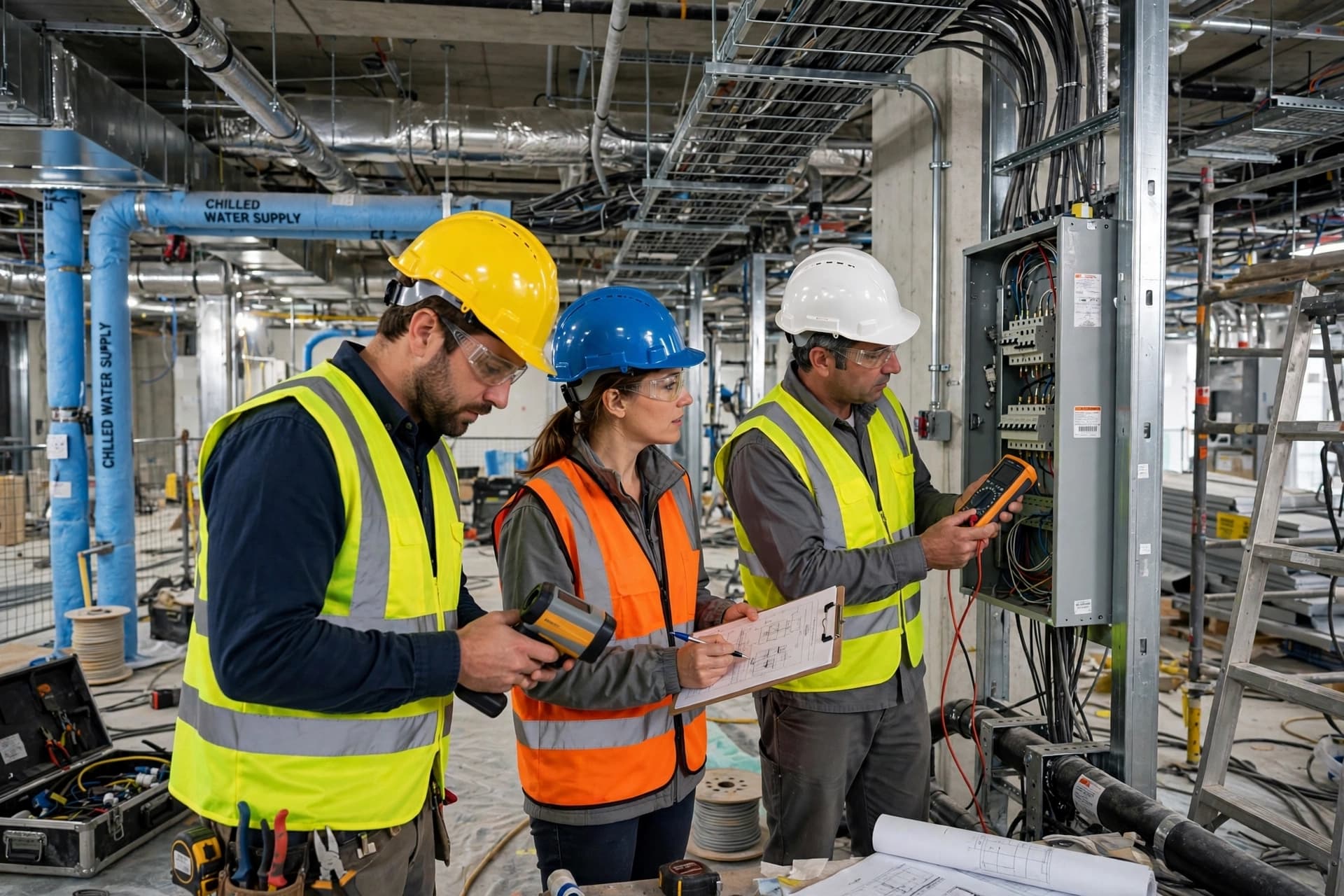
The factory floor is a place of measured repetition. Lights stay on through the night, machines hum with practiced certainty, and progress is counted not in headlines but in yields and tolerances. For Intel, those rhythms have long defined its identity — a company built not only on ideas, but on the discipline of making them real, atom by atom.
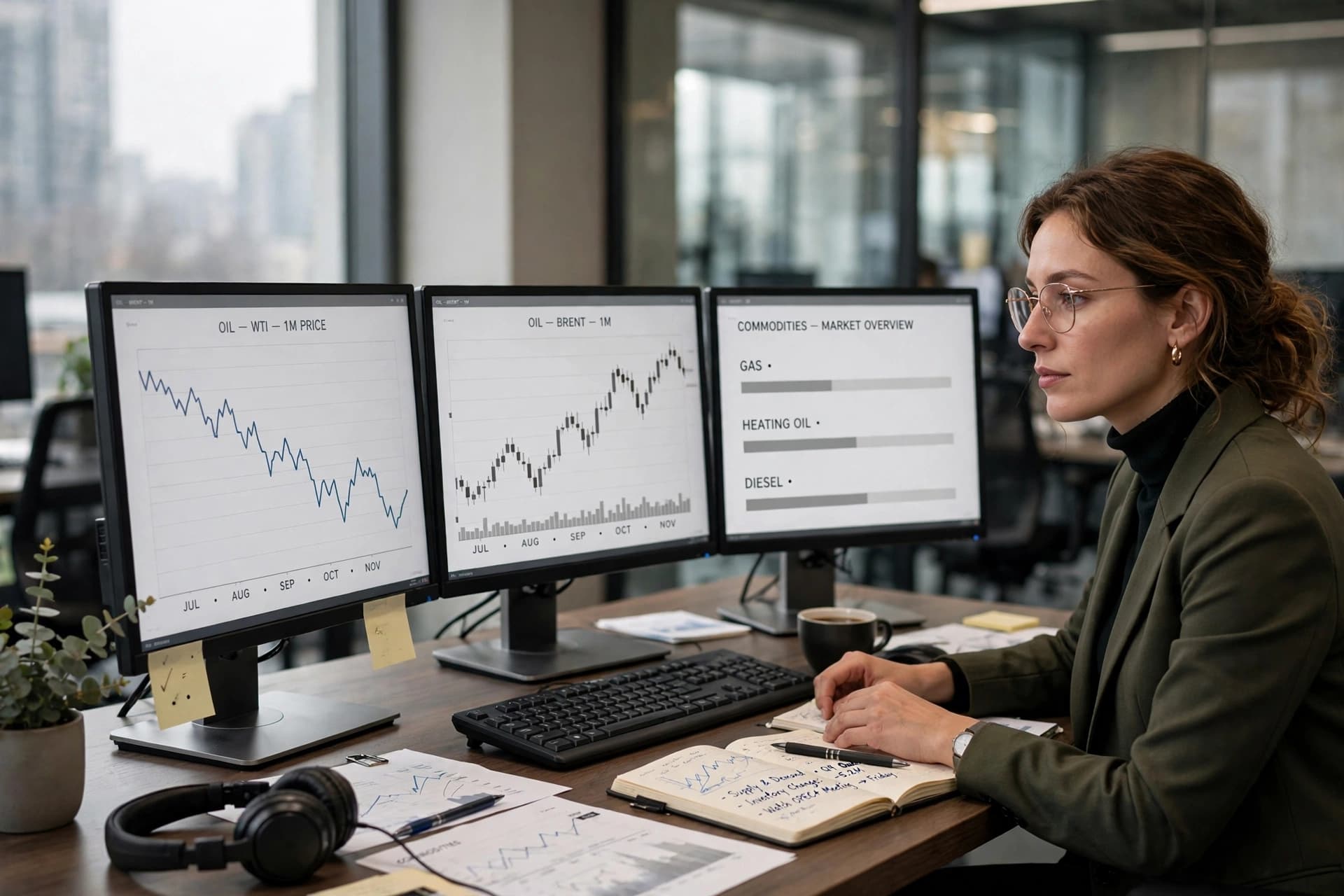
This week, that discipline faltered again in public view. Intel’s shares slid after the company acknowledged fresh manufacturing challenges, renewing doubts about a turnaround it has spent years carefully outlining. The setback did not arrive as a shock so much as a reminder: that rebuilding trust in silicon takes time, and that delays, once technical, now echo through markets and expectations.
Intel has been working to regain its footing after losing ground to rivals who moved faster into advanced chipmaking processes. Central to its comeback has been an ambitious plan to reclaim manufacturing leadership, investing heavily in new facilities, cutting-edge nodes, and a return to in-house execution. But persistent issues — from production yields to timing slippages — have complicated that narrative, raising questions about whether the path back will be longer and steeper than hoped.
The market’s reaction reflected fatigue as much as fear. Investors have heard the language of patience before, alongside promises that the next milestone would mark a turning point. Each delay, however incremental, shifts confidence further into the future. In an industry where precision is everything, even small deviations carry outsized weight.
Yet the story is not one of collapse. Intel remains deeply embedded in the global technology ecosystem, supplying critical components and holding decades of engineering expertise. The company’s strategy still points toward reinvention rather than retreat, even as execution struggles continue to test that resolve. Manufacturing, unlike software, does not forgive easily; mistakes linger in physical form, etched into wafers and balance sheets alike.
For now, Intel stands between intention and outcome. The vision of a restored manufacturing powerhouse remains intact, but the timeline grows less certain with each snag. As the company works to steady its processes, the market waits — not for rhetoric, but for proof that the old rhythm can be restored, and that the machines will once again run as planned.
AI Image Disclaimer Visuals are AI-generated and serve as conceptual representations.
Sources Reuters; Bloomberg; semiconductor industry analysts. If you’d like, I can: lean further into the industrial metaphor, add more market texture while staying restrained, or localize the piece around U.S. manufacturing strategy and policy.
Published by Banx Network. This article is part of the Banx decentralized media programme, powered by the BXE token on the XRP Ledger.