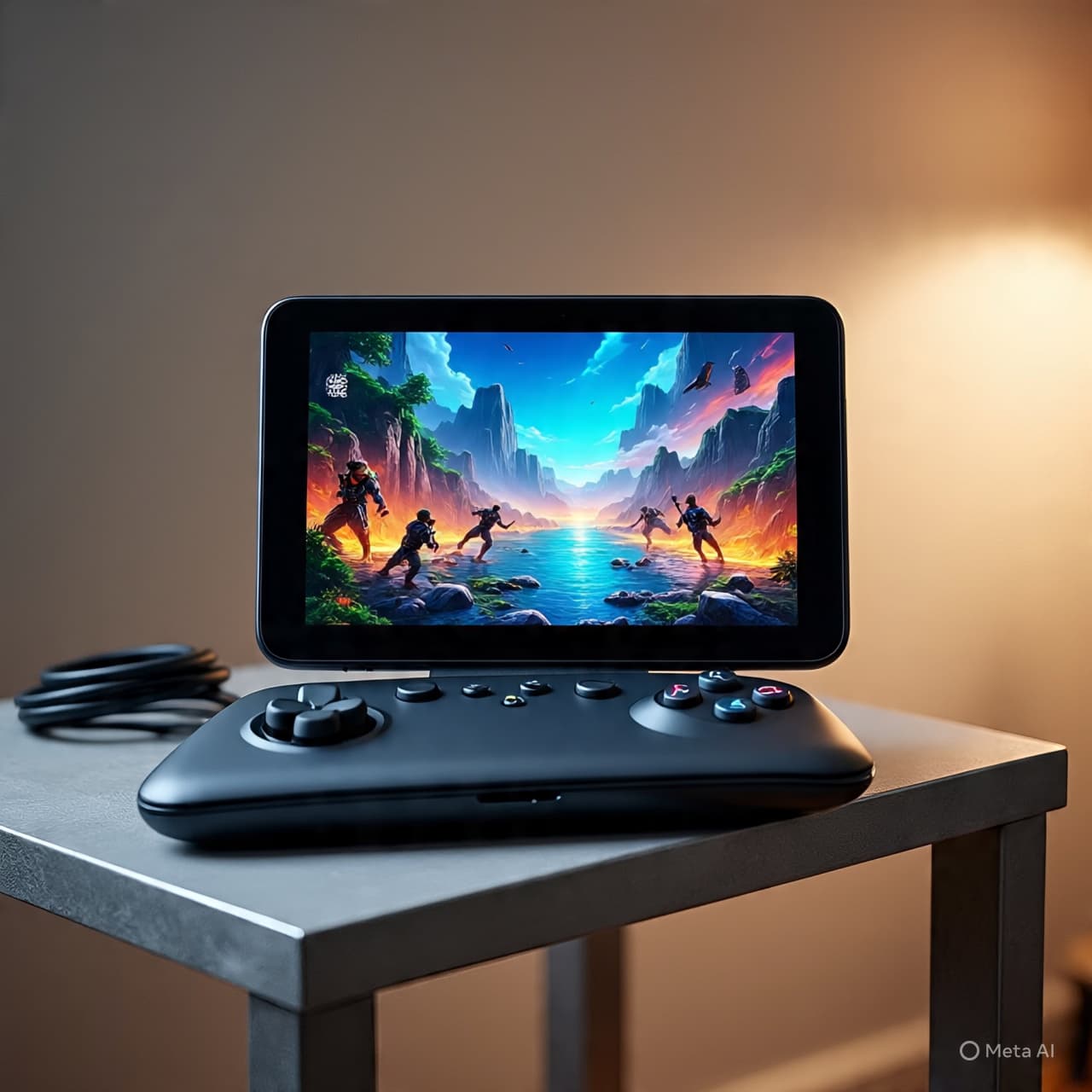
There is a particular rhythm to technology — a cycle of arrival, ascent, and eventually, quiet departure. Devices that once felt cutting-edge slowly move into the background, not because they failed, but because progress rarely stands still. In the world of handheld gaming, where performance meets portability in a delicate balance, even powerful silicon must one day pass the torch.
Reports now indicate that AMD is ending support for handheld consoles powered by the Ryzen Z1 Extreme SoC — a chip that only recently symbolized the promise of PC-level gaming in the palm of one’s hand.
When the Ryzen Z1 Extreme first entered the handheld space, it carried with it considerable optimism. Built on modern architecture and designed specifically for portable gaming devices, it aimed to bridge desktop performance with mobile efficiency. For a time, it succeeded in reshaping expectations. Handheld consoles powered by the chip delivered impressive frame rates, access to full PC game libraries, and the flexibility of Windows-based ecosystems in a compact form.
Yet support lifecycles in semiconductor development move swiftly. According to industry coverage, AMD’s decision means driver updates and long-term software optimization for devices using the Ryzen Z1 Extreme will eventually slow or cease, redirecting resources toward newer silicon platforms. While existing devices will not suddenly lose functionality, their future improvements may become more limited compared to newer architectures.
The move reflects a broader reality in the gaming hardware market. Handheld consoles — once niche — have rapidly evolved into a competitive category. Newer chips promise improved power efficiency, better integrated graphics performance, and enhanced AI-assisted features. As AMD shifts focus, it signals that the next generation of mobile gaming processors is already underway.
For device manufacturers, the transition introduces both challenge and opportunity. Companies that built products around the Z1 Extreme must now consider how to position existing inventory and plan for successor models. At the same time, newer chipsets may unlock slimmer designs, quieter thermals, or longer battery life — refinements that matter deeply in portable gaming.
For gamers, the story is more nuanced. Support ending does not erase capability. The games that run today will continue to run. However, over time, compatibility optimizations for future titles may favor newer hardware. It is a familiar pattern in PC gaming — evolution rather than abrupt obsolescence.
In a larger sense, AMD’s decision underscores how quickly the handheld PC gaming landscape has matured. What once felt experimental has become structured, cyclical, and strategically paced. The Ryzen Z1 Extreme helped define a chapter — proving that powerful PC gaming could live comfortably in a handheld form. Its gradual sunset suggests the industry is ready for its next iteration.
In straightforward terms, reports state that AMD has concluded active support for handheld consoles built around the Ryzen Z1 Extreme SoC, with development resources shifting toward newer processor platforms. Devices already on the market will continue operating, but future driver and optimization updates may be limited. Official timelines and long-term update policies vary by manufacturer.
Technology rarely says goodbye loudly. More often, it simply moves forward.
AI Image Disclaimer Graphics are AI-generated and intended for representation, not reality.
Source Check — Credible Media Coverage Identified
Tom’s Hardware VideoCardz PC Gamer AnandTech The Verge
Published by Banx Network. This article is part of the Banx decentralized media programme, powered by the BXE token on the XRP Ledger.