There are moments in world affairs when history seems to pause, holding its breath, as if listening for the next footstep in a long corridor of consequence. This week, that pause lingers between Washington and Tehran, where briefings, protests, and unanswered questions drift together like clouds that refuse to settle. In quiet rooms far from the streets of Iran, options are weighed, words are measured, and the weight of potential action presses heavily on those tasked with deciding what comes next.
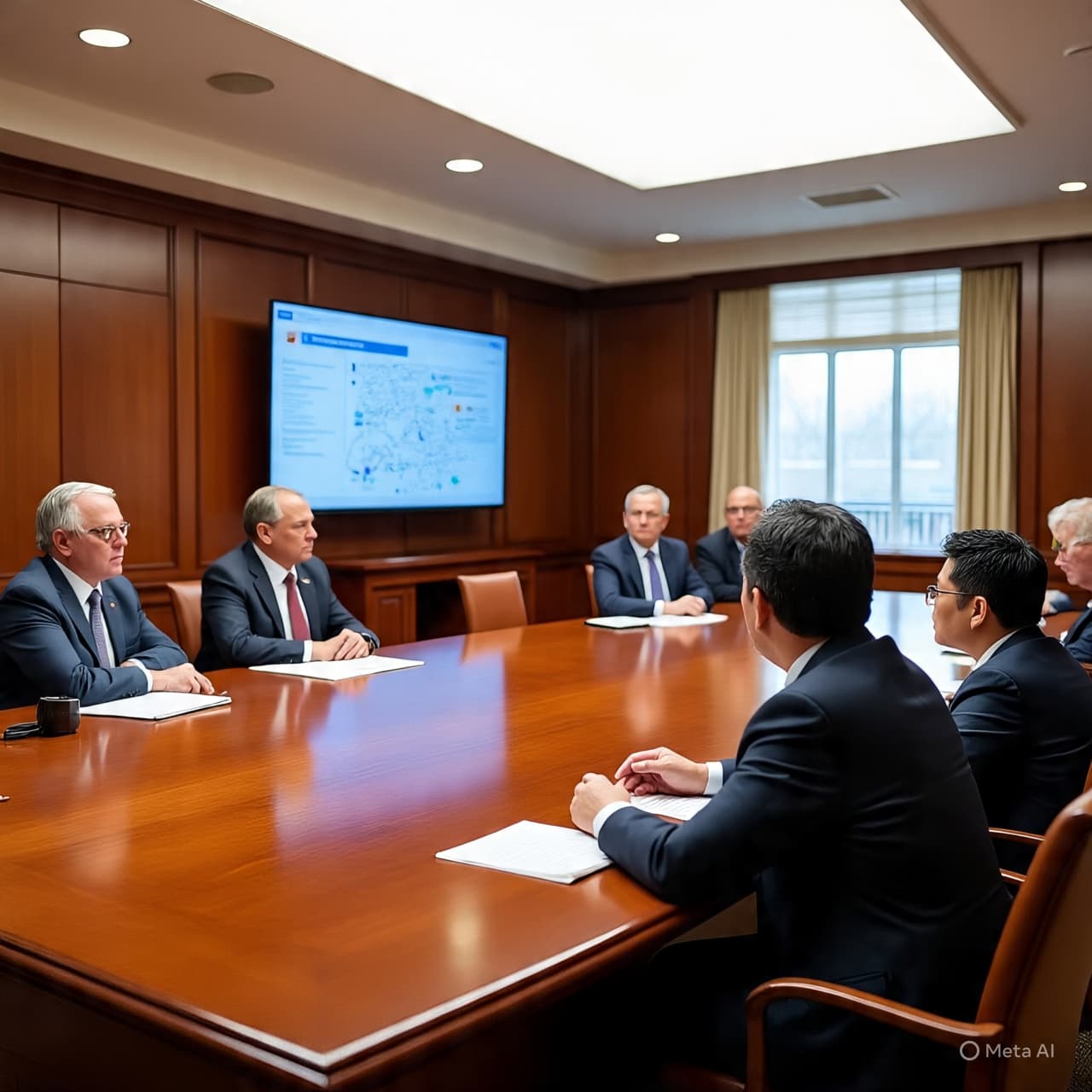
U.S. President Donald Trump has been briefed by senior national security officials on a range of military options for striking Iran, according to officials familiar with the discussions. The briefings come as protests continue to ripple across Iranian cities, fueled by economic frustration and sharpened by anger over government crackdowns. While no decision has been announced, the mere existence of such briefings signals a moment of heightened tension, where preparation and restraint stand side by side.
Officials say the options presented to the president range from limited, targeted actions to broader military scenarios, each carrying its own risks and uncertainties. These discussions, held behind closed doors, are described as contingency planning rather than an imminent path to action. Yet even contingency planning can resonate loudly beyond the walls in which it occurs, especially in a region long shaped by the echoes of intervention and retaliation.
On the streets of Iran, the atmosphere is markedly different. Demonstrators continue to gather despite an intensified security presence, their protests reflecting deep-seated grievances over economic hardship, governance, and personal freedoms. Human rights organizations report arrests and casualties as authorities move to contain the unrest. For many protesters, the demonstrations are less about foreign powers and more about daily realities that have become increasingly difficult to bear.
The Trump administration has publicly voiced support for the protesters, urging Iranian authorities to exercise restraint and accountability. This rhetorical backing, however, exists alongside the sobering awareness that any military move could alter the trajectory of the protests themselves. History offers no simple lesson on whether external pressure amplifies or undermines domestic movements, only reminders that outcomes often unfold in unexpected ways.
Beyond Iran’s borders, the region watches closely. U.S. allies in the Middle East have reportedly increased their alert levels, mindful that even a limited strike could provoke retaliation or miscalculation. Diplomatic channels remain active, though strained, as officials attempt to balance deterrence with the desire to avoid a broader conflict that could draw in multiple actors.
Within Washington, voices urging caution emphasize the long-term consequences of military engagement, pointing to the complex web of alliances, rivalries, and civilian lives that would be affected. Others argue that demonstrating resolve could serve as a warning against further repression or regional destabilization. These perspectives coexist uneasily, reflecting a broader national conversation about power, responsibility, and restraint.
As the protests in Iran persist and briefings continue in the United States, the situation remains fluid. No orders have been given, no missiles launched, no final decisions revealed. What exists instead is a narrow space where diplomacy, deterrence, and domestic unrest intersect — a space where choices made quietly could reverberate loudly across borders.
For now, the world watches and waits. The streets of Iran remain restless, the corridors of power attentive. Between them lies a fragile interval, defined not by action yet, but by the gravity of what action could mean.
AI Image Disclaimer Illustrations were produced with AI and serve as conceptual depictions rather than real photographs.
Sources The New York Times Reuters The Independent CGTN Iran International
Published by Banx Network. This article is part of the Banx decentralized media programme, powered by the BXE token on the XRP Ledger.