
Key Highlights
- Historic Investment:The UK government announces its largest investment in community energy.
- Local Empowerment:The initiative aims to support locally owned renewable energy projects.
- Economic Impact:Community energy projects could help stabilize energy costs for households.
The British government has recently unveiled what it describes as the largest investment in community energy in the nation’s history. This significant funding initiative is designed to bring renewable power generation closer to the communities it serves. Ministers have framed this move as an effort to 'build community wealth and power,' indicating a shift in focus from traditional energy sources to a more localized approach that emphasizes social and economic benefits.
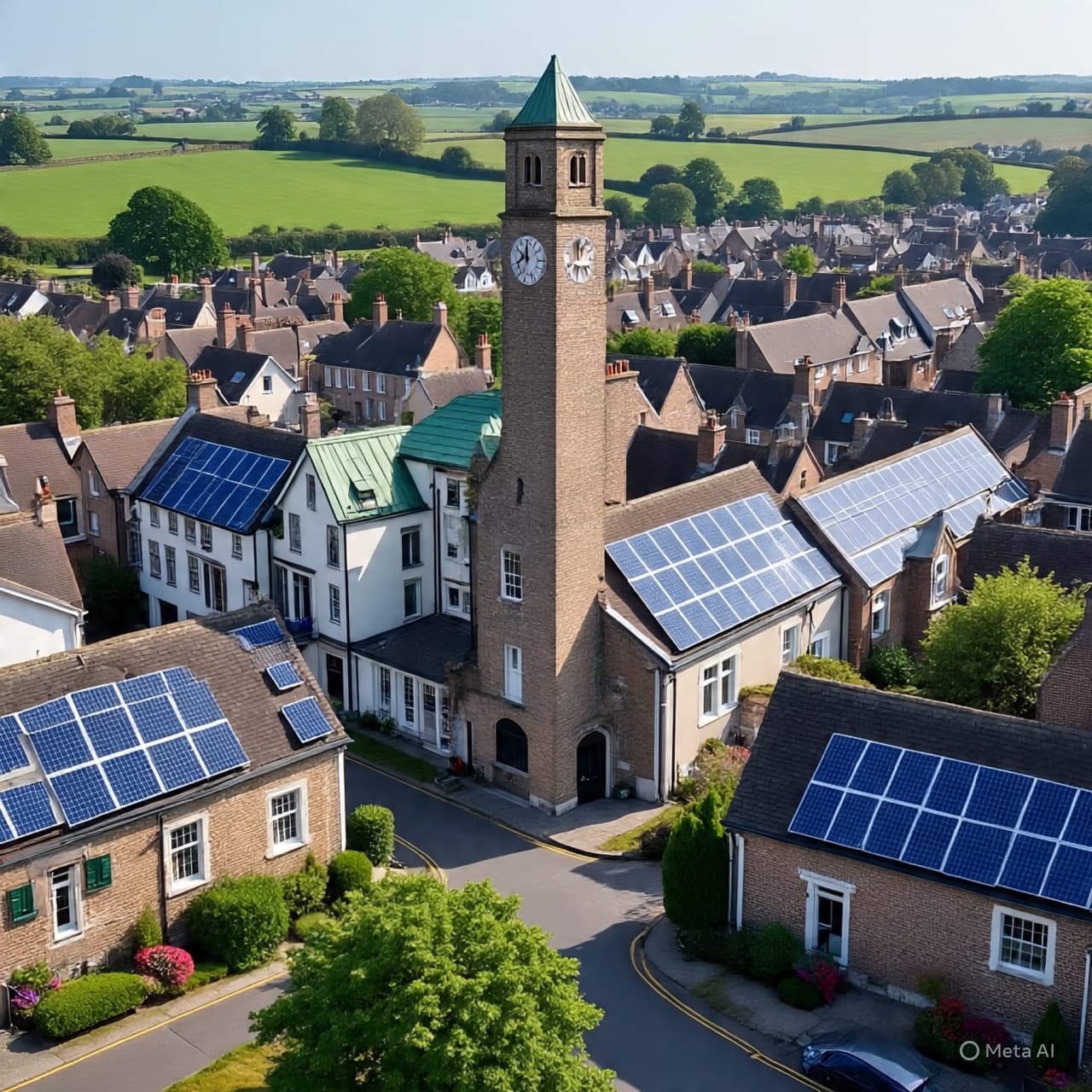
At the heart of this initiative is the support for locally owned energy schemes, which range from neighborhood solar cooperatives to shared wind projects. These projects allow communities to produce, manage, and directly benefit from clean energy. Proponents argue that such community-driven initiatives can help rebalance an energy system that has long been dominated by large utilities and centralized infrastructure. By reinvesting profits back into local areas, community energy groups aim to fund public services, reduce fuel poverty, and enhance local decision-making processes.
This announcement comes at a critical time when the cost of living crisis and rising energy prices are affecting households across the UK. Officials have suggested that community energy schemes can provide more stable pricing over time, offering some insulation from the volatility of global energy markets. While these projects are not expected to replace national grids, they are increasingly viewed as essential components of a more resilient energy landscape.
However, critics caution that ambition alone does not guarantee success. Previous community energy programs have faced challenges such as planning hurdles, complex financing, and uneven access across different regions. There are lingering questions about how quickly the allocated funds will reach projects on the ground, how smaller communities will compete for support, and whether existing regulatory frameworks can adapt swiftly enough to foster long-term growth in this sector.
Despite these concerns, the government remains optimistic that this investment marks a pivotal moment for community energy in the UK. By coupling funding with technical support and establishing clearer pathways to the grid, ministers hope to unlock a new chapter for local renewable initiatives. The vision is not one of immediate transformation but rather a gradual accumulation of resources — with solar panels installed, wind turbines erected, and trust built within communities.
As the policy transitions from announcement to implementation, the focus will shift from rhetoric to tangible results. The effectiveness of funding allocations, project approvals, and early successes will ultimately determine whether the promise of community wealth translates into real-world benefits for residents. For now, the government’s commitment signals a recognition that the energy transition, often discussed in broad national terms, may increasingly be shaped at the local level, reflecting the unique needs and aspirations of streets, villages, and shared horizons.
Published by Banx Network. This article is part of the Banx decentralized media programme, powered by the BXE token on the XRP Ledger.



