Power does not always arrive with change. Sometimes, it simply shifts its shape—trading one title for another, while its center remains unmoved. In Myanmar, that quiet transformation has unfolded once again, where the language of governance evolves, but the weight behind it feels familiar.
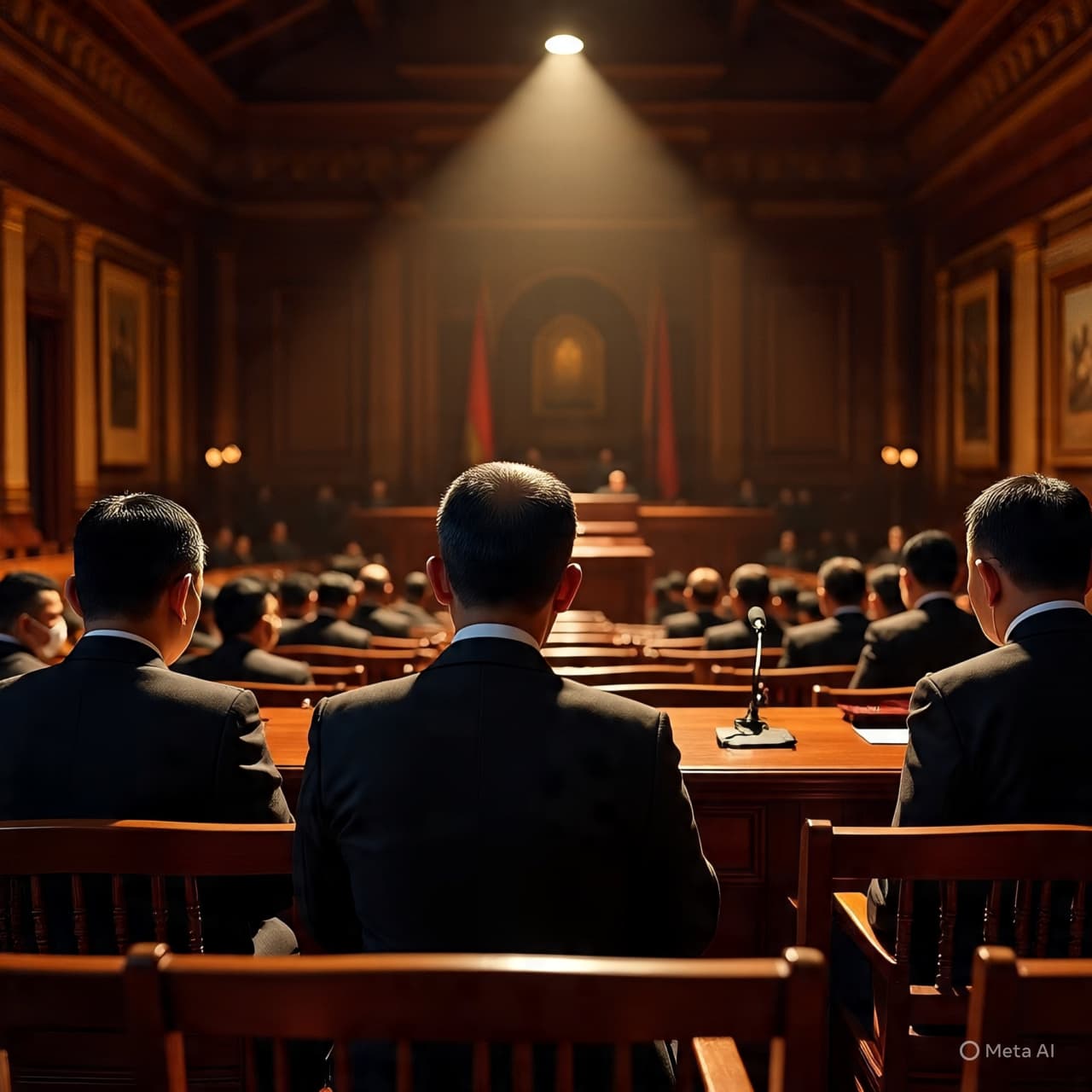
Senior General Min Aung Hlaing, who led the 2021 coup, has now been elected president by a parliament dominated by military-aligned forces. The vote, decisive in its margin, formalizes a transition years in the making—from commander in uniform to leader in a civilian role, at least in structure.
The moment carries a sense of continuity more than transformation. The parliament that delivered the result is shaped heavily by the military and its allies, following elections widely criticized as lacking fairness and broad participation. In this setting, the outcome appears less like a contest of competing visions and more like the completion of a carefully arranged path.
There is, however, a symbolic shift. By stepping into the presidency, Min Aung Hlaing moves from direct military command into a role traditionally associated with civilian leadership. He has already handed the position of commander-in-chief to a close ally, maintaining a structure that suggests influence remains intact, even as titles change.
For some observers, this transition reflects an attempt to reshape perception—to present governance through a constitutional framework, even as underlying power dynamics remain largely unchanged. The distinction between form and function becomes central: what appears as a return to civilian rule may, in practice, preserve the same core authority.
Beyond the halls of parliament, the country remains deeply unsettled. Since the coup, Myanmar has been gripped by widespread conflict, with resistance movements, ethnic armed groups, and opposition forces continuing to challenge military rule. The shift in leadership title does little to resolve these tensions, which extend far beyond political structure.
There is also the question of recognition. International reactions have long been shaped by concerns over legitimacy, human rights, and the exclusion of opposition voices. Whether this new presidential role alters those perceptions—or simply reinforces them—remains uncertain.
For now, the transition stands as a moment defined less by change than by confirmation. A leader who once seized power now holds it through a different mechanism, one that carries the language of governance but echoes the same foundation.
AI Image Disclaimer Illustrations were produced with AI and serve as conceptual depictions.
Source Check Credible coverage exists from:
Reuters Associated Press Al Jazeera ABC News Anadolu Agency
Published by Banx Network. This article is part of the Banx decentralized media programme, powered by the BXE token on the XRP Ledger.