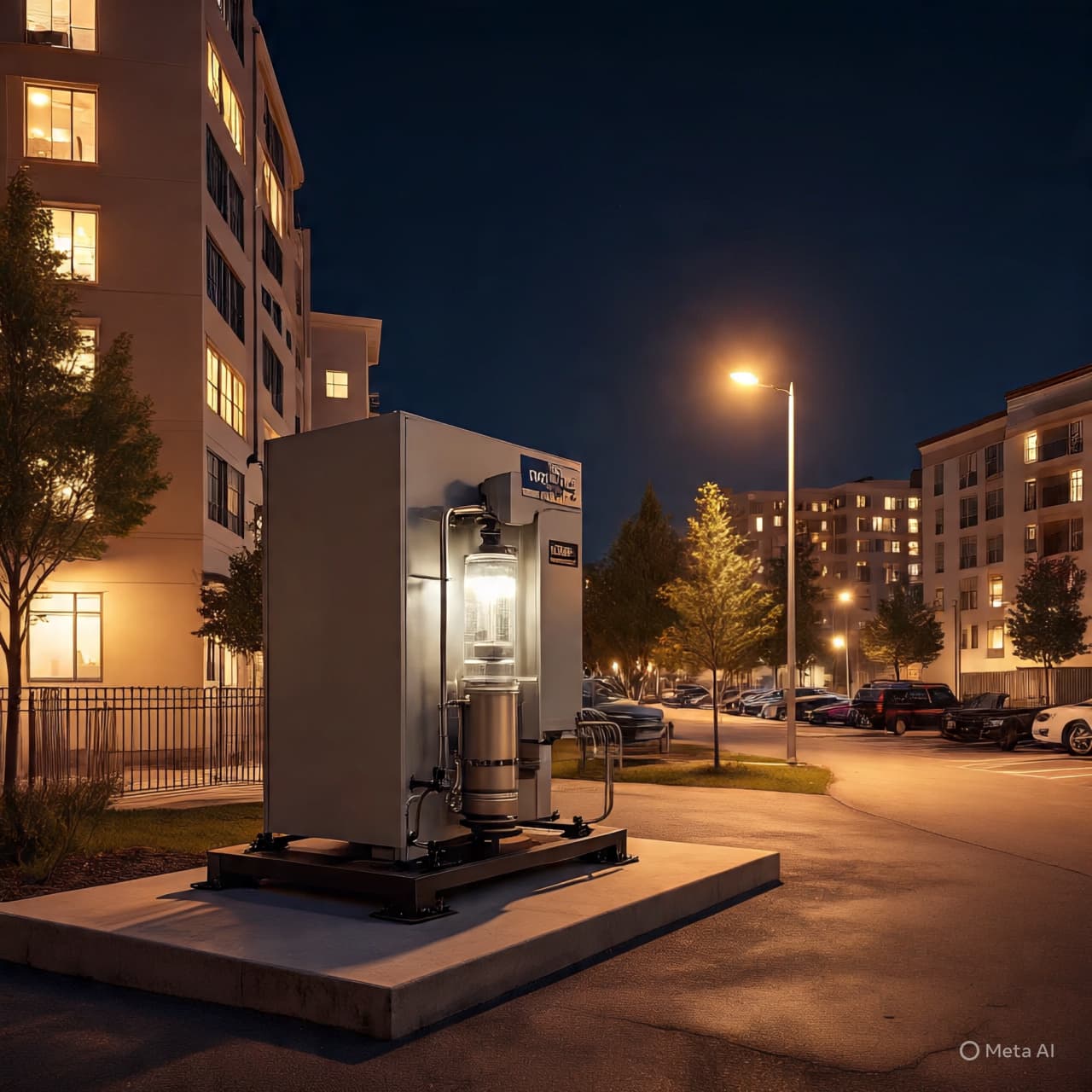
San Francisco residents are voicing frustration over a new and unexpected challenge: the noise generated by backup power systems installed by PG&E during recent outages. While the generators are designed to ensure continuity of electricity, their operation has introduced a different kind of disruption—one that some say is reverberating through neighborhoods long accustomed to balancing convenience and compromise.
The complaints, ranging from sleepless nights to difficulty concentrating, underscore the tension inherent in emergency solutions. Residents describe the generators’ hum as intrusive, sometimes persistent, and far louder than anticipated. What was intended as a technical fix to power shortfalls has inadvertently become a source of stress, highlighting that even solutions carry costs.
Utility companies defend the installations, noting that the generators are essential in maintaining critical services during outages, particularly in areas where grid reliability is uneven. They emphasize that the temporary noise is a trade-off for safety, security, and uninterrupted power for essential services. However, for residents living closest to these installations, the disruption is immediate and tangible.
The situation points to a broader lesson in infrastructure management: emergency measures cannot be isolated from their social impact. Technologies that protect or restore services can simultaneously introduce secondary effects that affect quality of life. For city planners and utility operators, understanding these human dimensions is as critical as ensuring technical functionality.
Some communities have begun seeking mitigation strategies, from sound barriers to placement adjustments, while residents hope for clearer communication and faster resolution. The debate over PG&E’s generators may appear small compared with larger energy and climate concerns, yet it reflects a recurring theme in urban life: balancing technical solutions with human comfort and community cohesion.
As San Francisco navigates this noisy chapter, the challenge remains to ensure that solutions designed to protect and empower residents do not inadvertently undermine the very well-being they aim to safeguard.
Published by Banx Network. This article is part of the Banx decentralized media programme, powered by the BXE token on the XRP Ledger.