

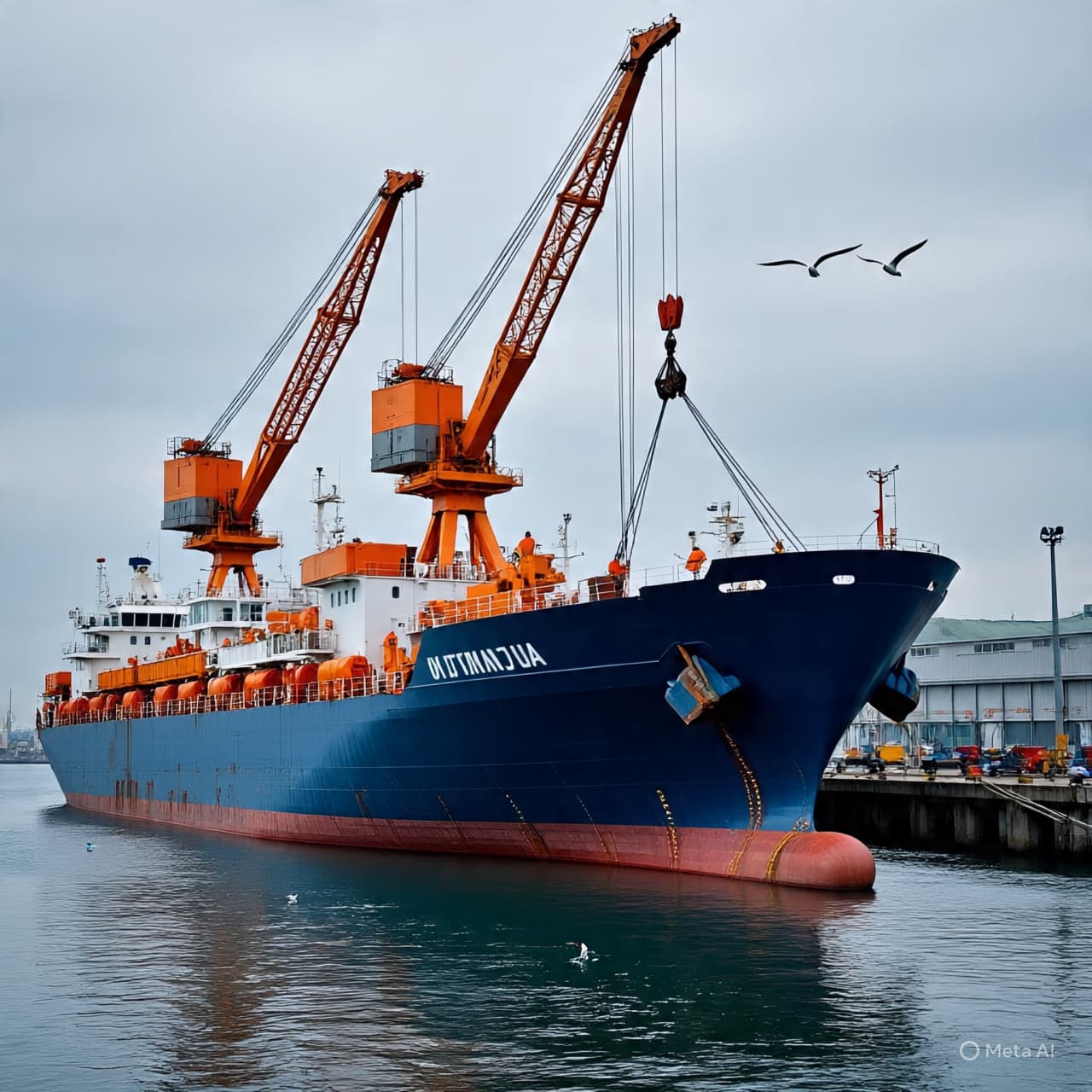
Key Highlights
- Port Operations:Russian Baltic port operations resumed after a brief halt.
- Security Concerns:Attacks raised vulnerabilities in critical infrastructure.
- Global Impact:The Baltic region's role in energy logistics is increasingly significant.
Ports are often seen as steady gateways—places where movement never truly stops. Yet even these vital arteries can falter, their silence echoing louder than their usual activity. Recently, one of Russia’s key Baltic ports experienced such a silence, temporarily halting crude loading operations following a series of reported attacks. This disruption, though brief, carried significant weight, given the port’s crucial role in facilitating Russian oil exports to global markets.
Now, operations have resumed. Tankers once again line the docks, and the steady transfer of crude oil continues. To an outside observer, the return to activity may appear seamless, but beneath it lies a complex process of recovery and reassessment. Officials have indicated that infrastructure damage was limited, allowing for relatively swift restoration. However, the pause exposed how even short-term interruptions can ripple through supply chains, affecting schedules, contracts, and expectations.
Security concerns remain at the forefront. While details of the attacks have not been fully disclosed, the incident has prompted renewed attention to the vulnerabilities of export hubs. Ports, by their nature, are both critical and exposed, making them attractive targets for disruption. The global markets reacted cautiously during the disruption, with traders monitoring the situation closely. The resumption of loading has provided a degree of reassurance, though analysts note that underlying uncertainties persist.
The Baltic region has become increasingly significant in energy logistics. Its ports serve as conduits between Russian production and international demand, making their stability essential not only locally but globally. The recent incident underscores the delicate balance that exists within these systems, where any disruption can have far-reaching consequences.
In response to the incident, authorities are expected to enhance protective measures. This includes both physical security and technological monitoring, reflecting a broader trend toward safeguarding critical infrastructure. The focus will likely be on improving surveillance and response capabilities to prevent future disruptions.
For now, the port’s return to operation restores a sense of normalcy. Ships depart, cargo moves, and the rhythm resumes. Yet the memory of interruption remains, a quiet reminder that even the most reliable systems can be paused. As the waters of the Baltic carry oil once more, the story is not just about recovery—it is about resilience and the constant effort to maintain balance in an uncertain world.
Published by Banx Network. This article is part of the Banx decentralized media programme, powered by the BXE token on the XRP Ledger.




