
Key Highlights
- Rotterdam's hydrogen hub expansion aims to support energy needs across Northern Europe.
- The port is evolving from traditional energy flows to sustainable solutions.
- Hydrogen is positioned as a key element in the transition to cleaner energy systems.
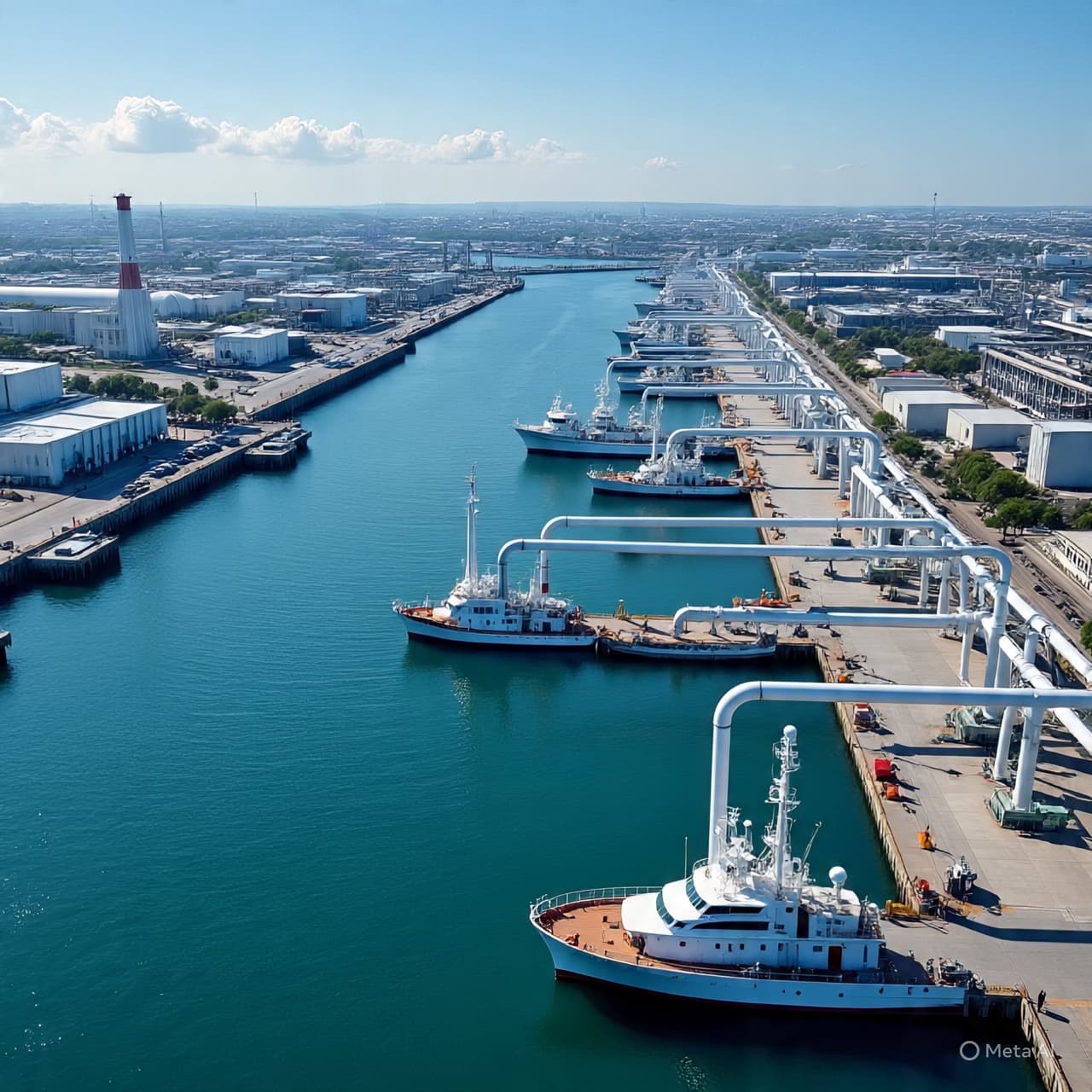
The Port of Rotterdam, a pivotal logistical gateway in Europe, is embarking on a significant expansion of its hydrogen hub, aimed at bolstering energy needs across Northern Europe. This development marks a transformative moment for the port, which has long been a center of trade and logistics, now evolving to meet the demands of a changing energy landscape.
Historically, the Port of Rotterdam has served as more than just a transit point; it is a dynamic network where energy, goods, and innovation converge. The expansion of its hydrogen capabilities signals a shift from conventional energy sources to more sustainable alternatives. Hydrogen, recognized for its versatility, can be produced from renewable energy, stored, and transported, making it a crucial component in balancing energy supply and demand in a sustainable manner.
The scale of this expansion is noteworthy. Large-scale energy transitions necessitate robust infrastructure to facilitate widespread adoption. Ports like Rotterdam are essential in this regard, functioning as both entry points for energy production and distribution centers for consumption. By enhancing its hydrogen infrastructure, Rotterdam is positioning itself as a central hub in a broader European energy network, connecting producers and consumers across borders.
Moreover, the transition to hydrogen is indicative of a gradual evolution in energy systems. Rather than a sudden overhaul, this shift reflects a long-term adjustment in energy production, storage, and delivery. The expansion introduces new pathways for energy alongside existing systems, creating a multifaceted approach that can adapt to varying demands and conditions.
The implications of Rotterdam's hydrogen hub extend beyond the immediate region. As Northern Europe seeks pathways to decarbonization, access to reliable hydrogen infrastructure will become increasingly vital. The port's expansion anticipates this need, building capacity not only for current demands but also for future integration into a comprehensive energy landscape.
Despite these advancements, the transition to hydrogen is complex. The production, distribution, and storage of hydrogen come with technical and economic challenges. Scaling these systems requires collaboration among industries, governments, and markets, alongside ongoing innovation to enhance efficiency and reduce costs. While the hub's expansion reflects progress, it also underscores the continued effort needed to unlock hydrogen's full potential.
In conclusion, the growth of Rotterdam's hydrogen hub represents a forward-looking moment in the energy transition. Ports have historically been sites of exchange, and in Rotterdam, this role now encompasses the exchange of energy forms that power modern life. As the hydrogen hub develops, it signifies a broader movement toward rethinking energy systems, paving the way for integration, sustainability, and a future where infrastructure evolves to meet emerging needs. The Port of Rotterdam continues its legacy as a vital point of arrival and departure, now also serving as a launchpad for new energy directions.
Published by Banx Network. This article is part of the Banx decentralized media programme, powered by the BXE token on the XRP Ledger.



