
Key Highlights
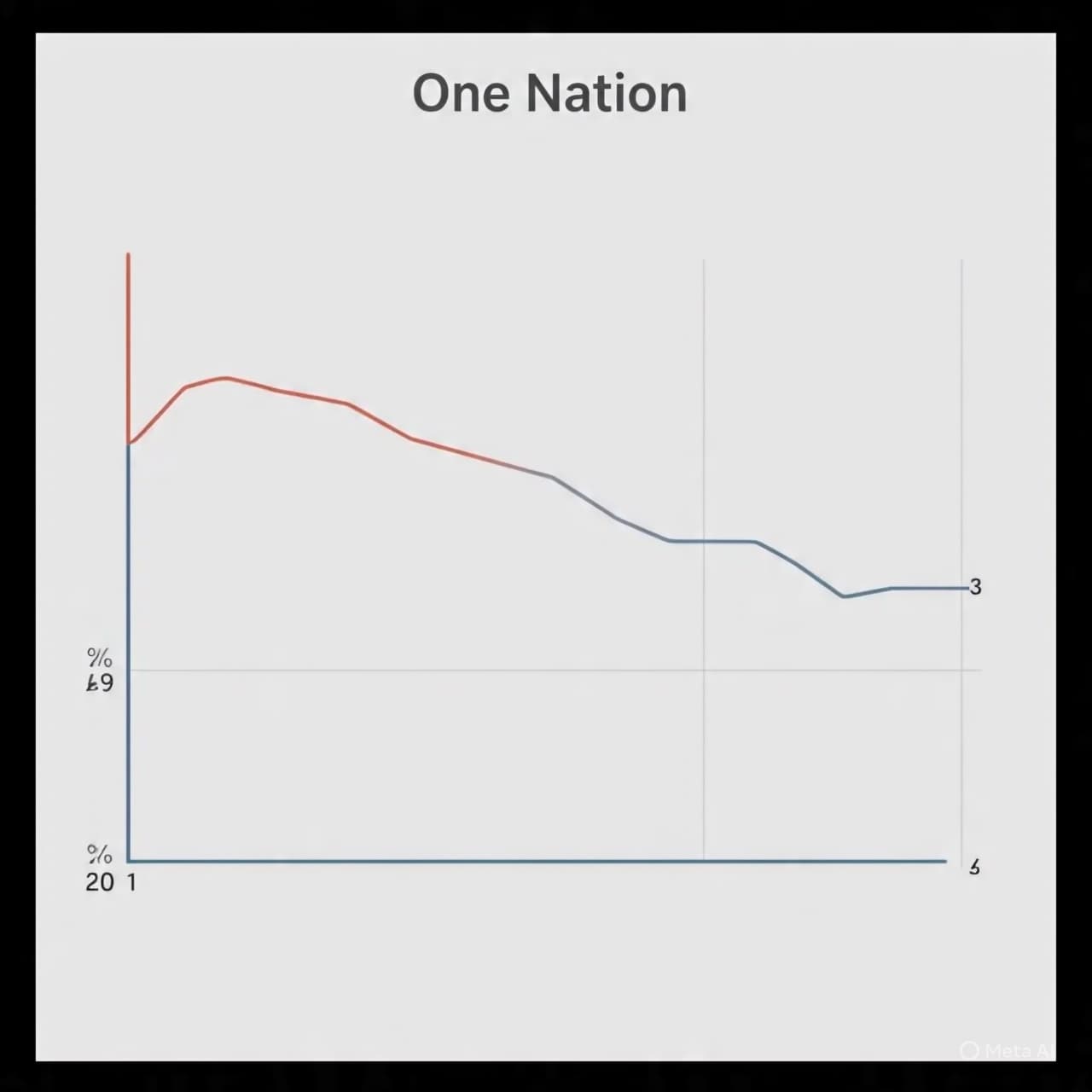
- One Nation's polling support has surged to historic levels, reaching 20-22 percent.
- The party's rise reflects deep cultural anxieties surrounding immigration and national identity.
- Critics warn that One Nation's narrative risks polarizing communities and increasing social divisions.
The political landscape in Australia is undergoing a significant transformation, with One Nation experiencing a remarkable surge in support. Recent polling indicates that the party has captured between 20 to 22 percent of the primary vote, marking a historic peak for a minor party in modern federal politics. This rise is not merely a reflection of shifting political allegiances; it encapsulates deeper currents within the national psyche, revealing widespread concerns about immigration, crime, housing, and economic pressures.
Analysts suggest that One Nation's popularity is less about its ideological stance and more about a growing perception that major political parties are failing to address the everyday concerns of Australians. As traditional parties grapple with internal divisions and public discontent, One Nation has positioned itself as a voice for those who feel overlooked. The party's messaging resonates particularly in towns and suburbs where economic challenges intersect with cultural anxieties, tapping into feelings of exclusion and a desire for national identity protection.
At the core of One Nation's appeal is a narrative that emphasizes the preservation of national values and a skepticism towards political elites. This narrative mirrors trends seen in international populist movements, where disillusionment with established parties creates a fertile ground for alternative voices. Political commentators have noted that when citizens feel unheard, they are drawn to forces that promise clarity and decisive action, even if that comes at the cost of increased polarization.
However, the rise of One Nation is not without its consequences. Critics argue that the party's framing of issues in stark 'us versus them' terms exacerbates social divisions, particularly around race and immigration. This polarization can lead to increased tension within communities and erode the trust and cooperation that are essential for a healthy civic life. The role of media, especially social media, cannot be understated; echo chambers and partisan news cycles amplify these divides, transforming local concerns into national flashpoints.
The implications of One Nation's rise extend beyond electoral outcomes. They pose a broader societal question: how can Australia navigate differing perspectives while protecting minority rights and addressing economic and cultural anxieties? The answer lies not solely in political strategies but in fostering dialogue, understanding, and inclusive solutions that transcend political slogans.
In summary, One Nation's ascent highlights significant social and cultural divisions within Australia. While polling indicates growing support, particularly concerning immigration and national identity, the party's rise signals deeper societal tensions regarding belonging, security, and change. Addressing these fractures requires more than just electoral victories; it necessitates a commitment to dialogue and shared governance that can bridge divides and foster a more inclusive society.
Published by Banx Network. This article is part of the Banx decentralized media programme, powered by the BXE token on the XRP Ledger.



