
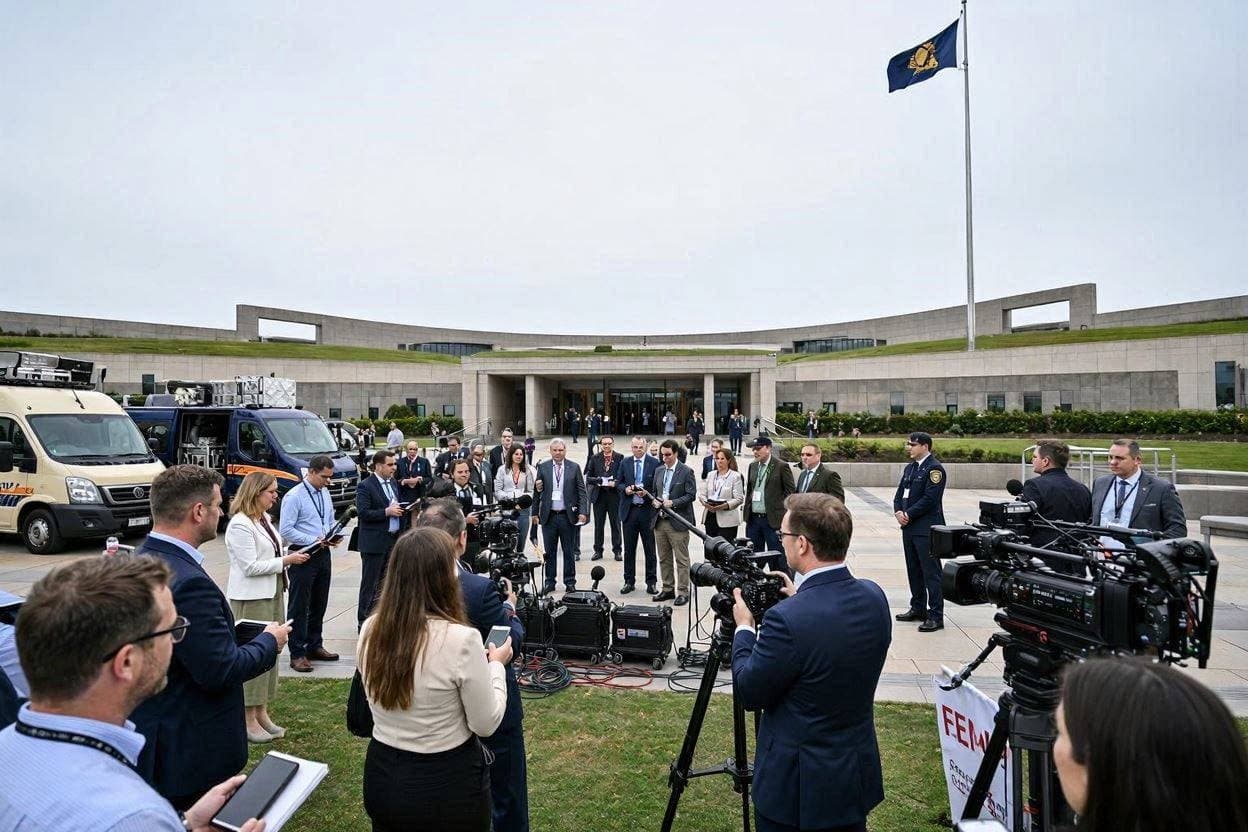
Political parties are often like large ships navigating through changing waters. Their direction depends not only on public support but also on the currents flowing within their own ranks. When questions emerge about internal relationships, funding, and influence, even experienced leaders can find themselves facing moments of uncertainty as colleagues and rivals reconsider the path ahead.
Recent revelations from a New South Wales Independent Commission Against Corruption (ICAC) inquiry have placed federal opposition leader Angus Taylor at the center of political discussion. While Taylor has not been accused of wrongdoing, his name has appeared during testimony involving the conservative Liberal Party subfaction known as the Reformers, prompting attention from both supporters and critics within the party.
The ICAC inquiry is examining allegations surrounding the activities of the Reformers, including claims related to political donations, branch membership campaigns, and internal party influence. Witnesses have discussed the group's operations and relationships with various political figures, while the commission continues gathering evidence as part of its investigation.
For some Liberal colleagues, the developments have created concern about how the controversy could affect the party's public image and internal stability. Political organizations rely heavily on trust and discipline, and inquiries of this nature can create difficult conversations about transparency, accountability, and the boundaries between factional organizing and broader party activity.
Taylor has said he was not involved in the matters being investigated and has rejected suggestions of improper conduct. Reports from the hearing indicate that some testimony referred to possible financial discussions involving his name, although the details remain part of the ongoing inquiry and have not resulted in any formal finding against him.
Within political factions, reactions have varied. Supporters of Taylor have focused on the need for due process and the distinction between being mentioned in an inquiry and being accused of misconduct. Meanwhile, factional opponents have used the revelations to raise broader questions about internal party structures and the influence of organized groups within political movements.
The situation arrives at a sensitive time for the Liberal Party, which has been navigating questions about leadership, strategy, and its future direction. Internal debates over ideology and organization have become increasingly visible, reflecting wider challenges faced by political parties attempting to balance different voices within their membership.
ICAC hearings often reveal complicated networks of relationships, conversations, and decisions that are not always simple to interpret in the moment. The ultimate significance of the evidence will depend on the commission's findings and any conclusions reached after the investigation is complete.
For now, the inquiry represents another chapter in a broader conversation about political transparency in Australia. As the process continues, attention will remain focused on the evidence presented, the responses from those involved, and how political institutions address questions about trust and accountability.
AI Image Disclaimer:
The accompanying illustrations are AI-generated visual representations created to depict political and institutional settings. They are not actual photographs of the people or events discussed.
Sources:
The Guardian Australia The Australian ABC News News.com.au
Published by Banx Network. This article is part of the Banx decentralized media programme, powered by the BXE token on the XRP Ledger.



.jpg&w=3840&q=75 "Same-Sex Couple Sue Slovakia Over Refusal to Register Their Marriage")