In the corridors of political power, where decisions are often drafted in careful language and circulated through layers of advisement, the idea of blockade carries a particular weight. It suggests not only restriction, but also distance—an attempt to shape movement itself, whether of goods, energy, or influence across contested space.
According to recent reporting from multiple political briefings, U.S. President Donald Trump has instructed aides to prepare for the possibility of an extended blockade scenario involving Iran. The directive, as described in early accounts, is framed as a contingency planning measure, reflecting heightened attention to maritime security, regional tensions, and the stability of key global supply routes.
In such discussions, the term “blockade” does not exist in isolation. It is tied to the geography of the Gulf region, where narrow waterways serve as critical passages for global energy transport. Even hypothetical restrictions in this area can reverberate outward, influencing shipping logistics, insurance costs, and broader energy market expectations.
The planning reportedly takes place within a wider context of fluctuating relations between Washington and Tehran, where diplomatic engagement, sanctions regimes, and security concerns have long existed in overlapping cycles. Strategic assessments in such environments often focus not only on immediate developments, but also on scenarios that might unfold if tensions escalate further.
Within policy circles, contingency preparation is a routine part of geopolitical strategy. Agencies and advisers typically model a range of outcomes, including disruptions to maritime traffic, shifts in regional alliances, and potential responses from other global actors. These exercises are designed to anticipate pressures on both military readiness and economic stability.
The possibility of a prolonged blockade scenario also intersects with global energy systems that remain sensitive to supply chain interruptions. Oil and liquefied natural gas flows from the Gulf region play a significant role in international markets, and any perceived risk to their continuity can influence price volatility even before physical disruptions occur.
At the same time, diplomatic channels involving multiple international stakeholders continue to operate alongside security planning. Governments in Europe, Asia, and the Middle East often engage in parallel discussions aimed at maintaining open maritime corridors and reducing the likelihood of escalation in strategically sensitive waters.
While the reported directive emphasizes preparation rather than action, it reflects a broader pattern in contemporary geopolitics: the increasing reliance on scenario-based governance, where potential futures are mapped in advance as part of decision-making processes. In this sense, policy is shaped not only by what is happening, but by what is considered possible.
As details of the planning remain limited and subject to interpretation, the broader situation continues to evolve within a landscape defined by uncertainty and interdependence. Maritime routes, energy markets, and diplomatic relationships all form part of a system in which changes in one area can produce adjustments across many others.
For now, the reported preparations exist within that space between anticipation and action—where governments quietly map the edges of potential crises, and where the language of strategy becomes a way of organizing uncertainty before it fully arrives.
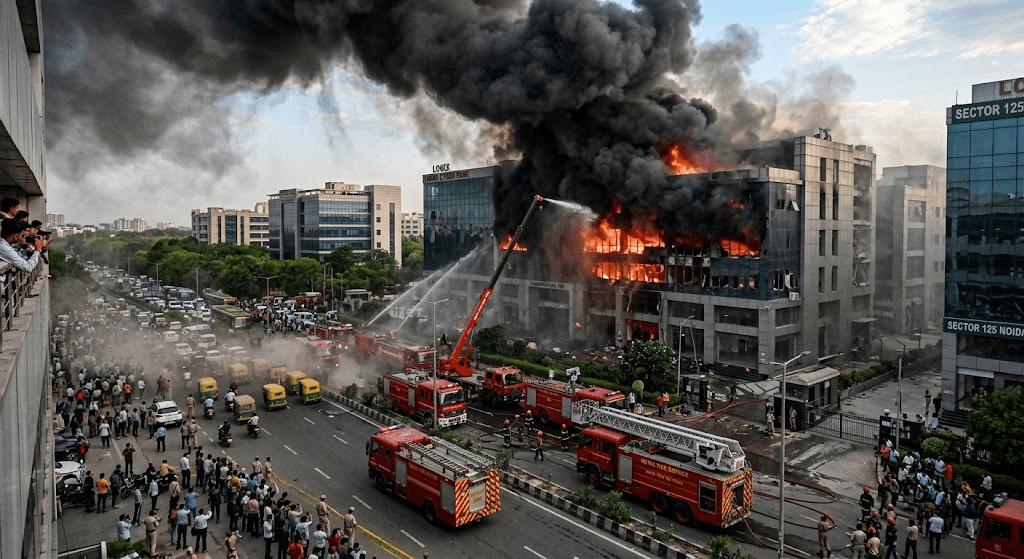
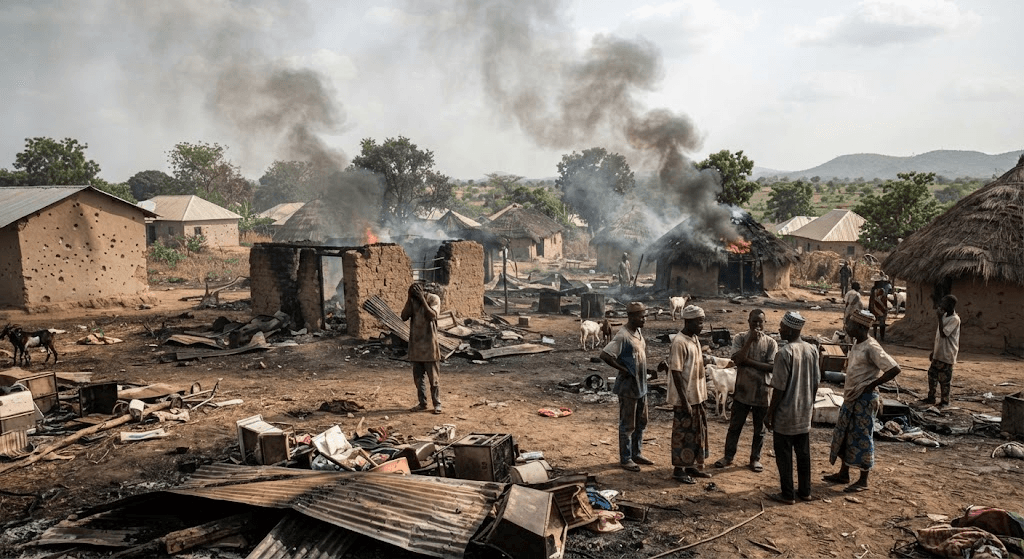
AI Image Disclaimer Visuals are AI-generated and serve as conceptual representations of geopolitical scenarios described.
Sources Reuters, Associated Press, BBC News, Financial Times, Al Jazeera
Published by Banx Network. This article is part of the Banx decentralized media programme, powered by the BXE token on the XRP Ledger.