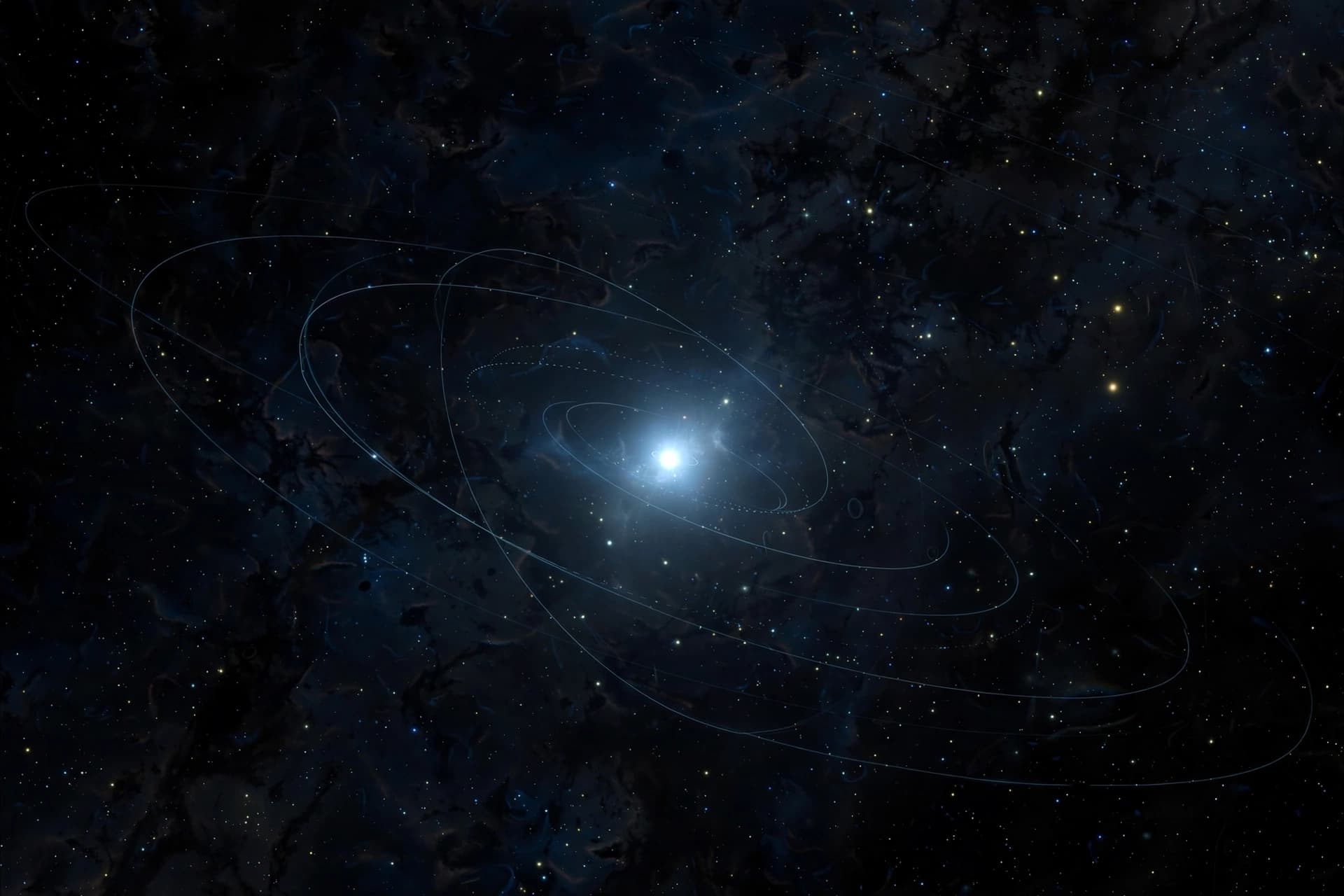
There is a poetry to sound that exists beyond the ear — a rhythm waiting in data, waiting to be coaxed into melody. When we think of the planets, we see them as silent spheres tracing their paths in the velvet expanse of space. But if we listen in a different way, through patterns encoded in light and X-rays, they begin to sing. Recent work with real space telescope data invites us to hear the whispers of Jupiter, the hum of Saturn, and the subtle tone of Uranus in a cosmic composition that bridges science and art.
Astronomers have long relied on telescopes to gather light across the electromagnetic spectrum, capturing information that the eye alone cannot perceive. Instruments like Chandra X-ray Observatory collect streams of X-ray photons reflected from planetary bodies, while others like Hubble Space Telescope and ground-based observatories add details in infrared or optical wavelengths. These collected data are rich with patterns: bursts, arcs, and variations that reveal physical processes invisible on a simple image.
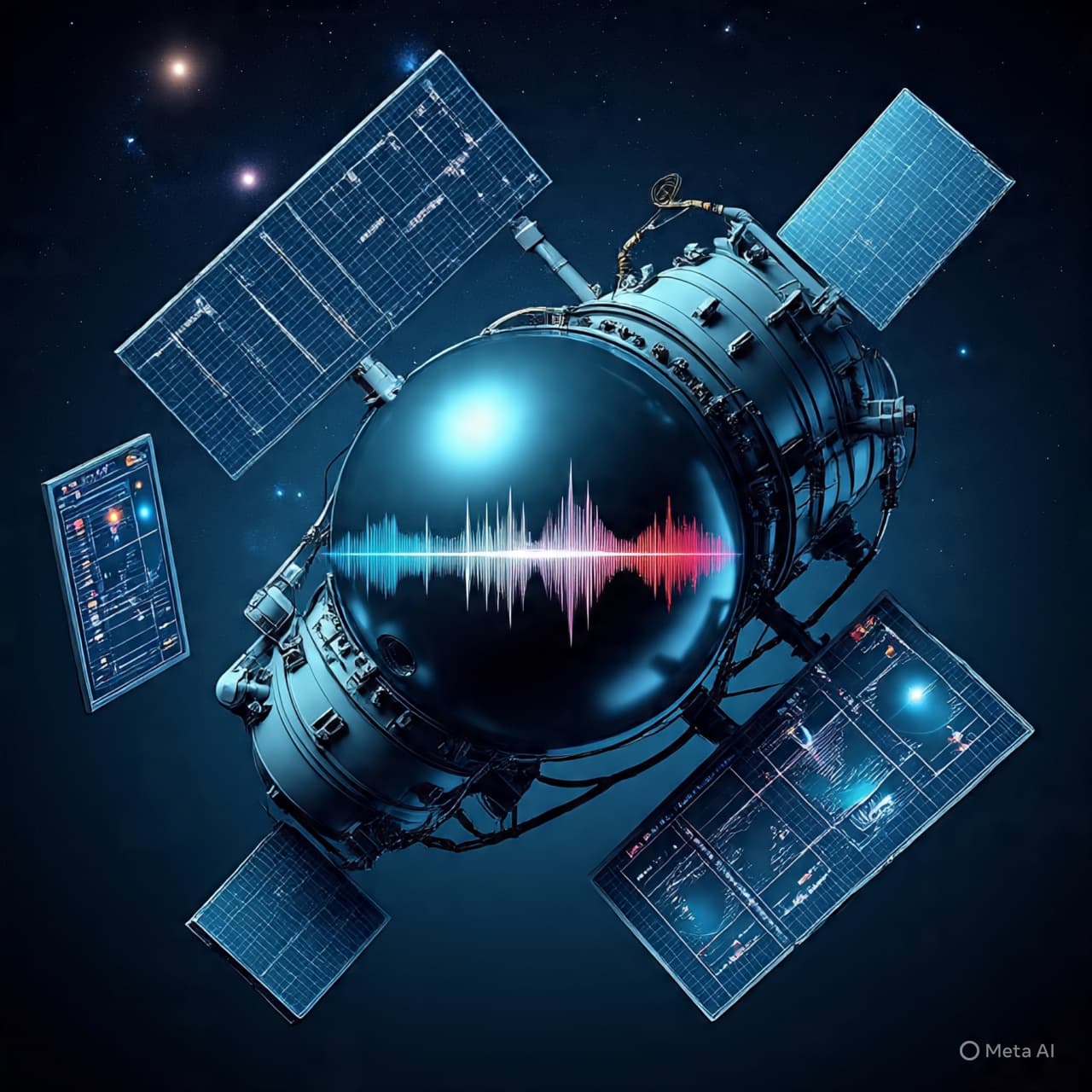
Translating this information into sound — a process called sonification — brings another dimension to the experience. In sonification, scientists convert numerical values from telescope readouts into musical elements: pitch tied to intensity, tempo to variation, timbre to wavelength. The result is not noise from space itself, but a rendition of scientific insight through auditory expression. It is a reminder that science operates not only in charts and graphs, but in forms that can resonate with human perception.
For Jupiter, the giant among planets, the sonified data captures the crackling of its X-ray auroras — interactions between charged particles and the planet’s magnetic field that light up its polar regions. These auroral emissions, when translated, take on a woodwind-like quality, carrying the character of swirling storms that have raged for centuries. Saturn’s contribution to the sonic collection is distinct: as Chandra’s scan crosses its majestic rings, the shift in reflection produces a sweeping, almost whooshing sequence, punctuated by synthesizer tones that echo the structure of its iconic disk. Uranus, the ice giant with its tilted axis and subtle brightness variations, offers a cool, gliding soundscape shaped by the interplay of X-ray and optical measurements.
This approach to planetary data is more than a curiosity. It invites broader engagement with complex science, including for audiences who experience the universe through sound rather than sight. Translating binary codes — the series of ones and zeros beamed to Earth — into audible patterns makes astronomy more inclusive and can reveal nuances that might be overlooked in visual plots alone. Patterns that are hard to detect in a graph might become clear in a rising scale or rhythmic shift, just as subtle themes in music emerge only when carefully listened for.
The idea of listening to planetary data also invites reflection on how humans relate to the cosmos. Sound has been part of our cultural understanding of space for centuries — from the imagined harmonies of the spheres to the radio emissions captured by early space probes. Sonification carries that legacy into the digital age, allowing us to perceive structure in data that would otherwise remain abstract. It is both a scientific tool and a way to connect emotionally with remote worlds.
As space agencies continue to release sonified data alongside images and scientific papers, listeners can explore the solar system not just visually, but auditorily. Whether it is the energetic crackle of Jupiter’s auroras or the sweeping notes that suggest Saturn’s rings, these soundtracks of space offer a new way to sense our place in the universe.
NASA’s Chandra X-ray Observatory and associated telescopes have released sonifications of data for Jupiter, Saturn, and Uranus linked to this month’s planetary parade, converting variations in electromagnetic emissions into sound patterns. The sonified datasets are intended to complement visual data, expanding public access and scientific engagement with planetary phenomena.
AI Image Disclaimer Visuals are created with AI tools and are not real photographs.
Source Check
NASA Space.com Newswise Scientific American (general context on data sonification and accessibility) Phys.org (background on sonification techniques)
Published by Banx Network. This article is part of the Banx decentralized media programme, powered by the BXE token on the XRP Ledger.