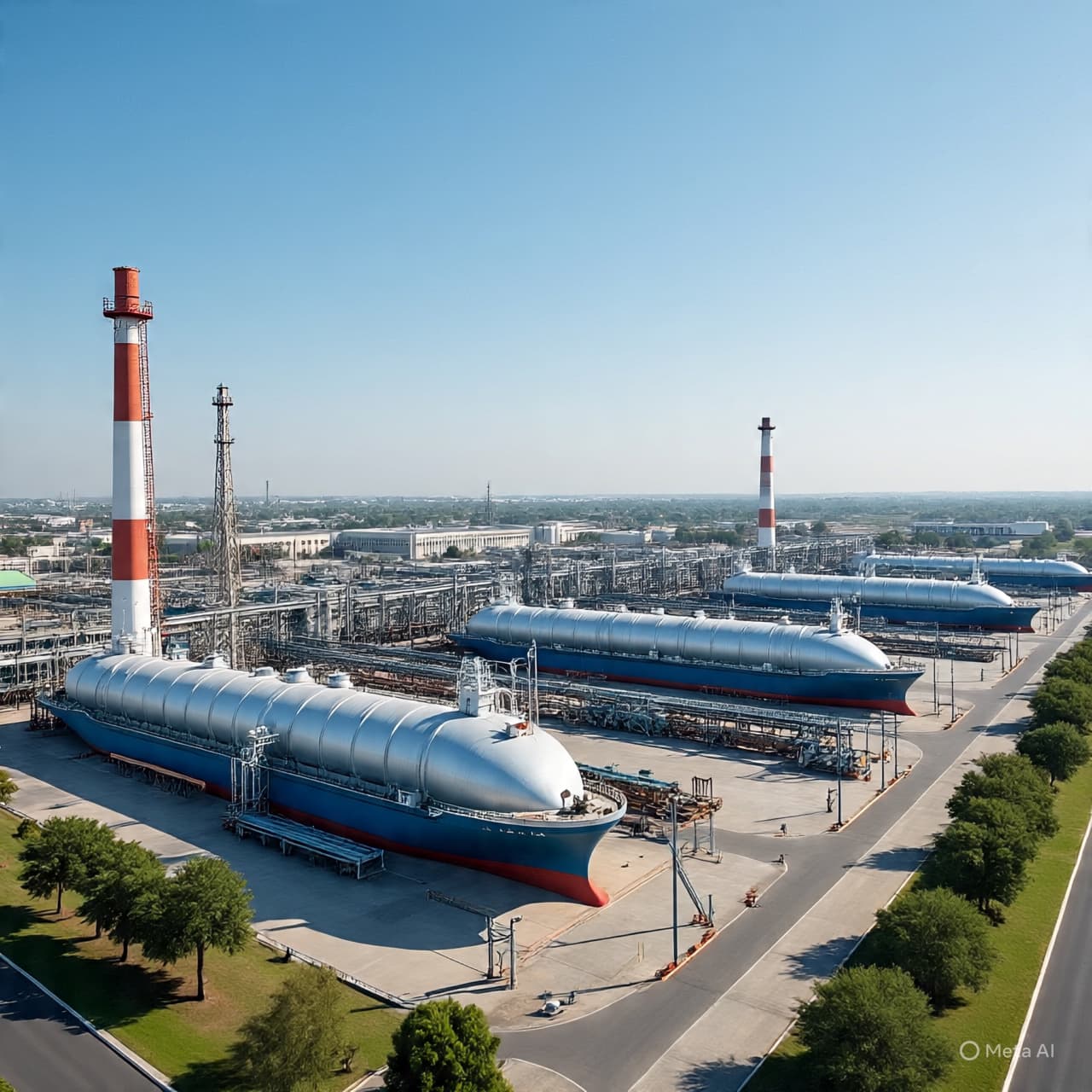
In the quiet corridors of national energy planning, few challenges reveal a country’s balance between resilience and vulnerability as starkly as the ebb and flow of its fuel supplies. For Egypt, a nation whose economy and daily life are intimately linked with reliable energy, recent shifts in natural gas flows have reminded policymakers that the modern world’s hidden currents — pipelines and cargoes — can change with astonishing speed. As regional tensions have ratcheted up, Egypt has found itself reshaping its liquefied natural gas (LNG) import strategy, aiming to avert domestic shortfalls while responding to disruptions in gas supply from nearby sources.
The Eastern Mediterranean has long been a mosaic of interconnected energy flows. Just across Egypt’s northern border, Israel’s offshore gas fields — particularly Tamar and Leviathan — have supplied significant volumes of pipeline gas to Cairo, helping to fill the gap left by declining domestic production. In recent years, Egypt has transitioned from a gas exporter to an importer, relying on regional pipeline imports and global LNG cargoes to meet its growing demand.
However, the backdrop of escalating conflict and recent military strikes has rattled those flows. In late February, Israel’s energy ministry ordered a temporary shutdown of several natural gas fields in the eastern Mediterranean, including Leviathan — a key source of exports to Egypt — following joint military operations. The suspension of pipeline gas created an immediate supply challenge, prompting Egypt to act swiftly.
Cairo’s response has been rooted in both foresight and necessity. Through proactive measures over the past year, Egyptian authorities had already been working to diversify energy supplies, contracting additional LNG volumes and securing access to floating storage and regasification units capable of receiving imports at key ports. With pipeline flows paused, officials moved to accelerate the arrival of previously contracted LNG cargoes and to secure further shipments from global suppliers to cover the emerging shortfall.
Behind these logistical shifts lies a broader narrative of energy security. Egypt’s own gas production has faced sustained declines in recent years, driven by reduced output at major fields and rising domestic consumption. As a result, the country has increasingly turned to LNG imports, with forecasts suggesting significant year‑on‑year increases in cargo volumes for 2026. Such reliance on distant suppliers — often at higher cost than regional pipeline sources — underscores both Egypt’s energy needs and the delicate balance of international supply chains.
While LNG imports offer flexibility and an alternative to pipeline dependency, they also expose Egypt to global market dynamics, including price volatility and competition for cargoes from other consuming nations. Yet, the government’s efforts to secure diversified sources reflect a longer‑term strategy to hedge against concentrated risk, ensuring that power generation and industrial sectors can continue without major disruptions even when one supply route falters.
In practical terms, Egypt’s reshuffling of its LNG import calendar and its negotiations for additional cargoes signal a decisive pivot. Rather than waiting for pipeline flows to resume — the timeline of which remains uncertain amid regional tensions — the country is preparing to meet its energy commitments through enhanced import logistics. This may include leasing additional regasification vessels and adjusting port capacities to handle larger volumes of LNG.
Such developments do not occur without cost or complexity. LNG cargoes often come at a premium compared with pipeline gas, and financing them can challenge national budgets already strained by currency pressures and competing development priorities. Nonetheless, the prioritization of supply security reflects a judgment that energy continuity is foundational to economic stability and social wellbeing.
In plain news terms, Egypt is reshaping its energy import strategy to cope with the suspension of Israeli natural gas supplies. The government is advancing LNG shipments, securing additional cargoes, and leveraging alternative infrastructure to maintain domestic energy provision while reassured citizens that diversified sources support energy stability.
AI Image Disclaimer Visuals are created with AI tools and are not real photographs.
Sources Bloomberg Reuters BBC News CNBC The Guardian
Published by Banx Network. This article is part of the Banx decentralized media programme, powered by the BXE token on the XRP Ledger.