In Central Europe, energy has never been just a matter of supply. It moves through history as much as through pipelines, shaped by geography, habit, and long-standing dependence. On this terrain, decisions made far away can feel immediate and personal, registering not as policy but as pressure.
Hungary and Slovakia this week said they would take legal action against the European Union over a proposed ban on Russian gas. The vow arrived not as a technical objection, but as a declaration of resistance, framed in the language of sovereignty and necessity. For both governments, the issue is less about Moscow than about margins—what room remains for national choice inside a collective project.
For decades, Russian gas has flowed steadily into both countries, binding energy systems to routes laid down long before today’s political fractures. Infrastructure does not pivot easily. Pipelines, refineries, and contracts are slow to change, even when the moral and strategic arguments for doing so grow louder. What Brussels describes as a necessary step toward security and solidarity is experienced in Budapest and Bratislava as an abrupt tightening.
The European Union’s push to phase out Russian energy is rooted in the shock of war and the desire to sever leverage that once seemed tolerable. Across much of the bloc, diversification has accelerated, costs absorbed, alternatives secured. But the pace and feasibility of transition vary sharply. Landlocked states with limited access to ports or alternative suppliers face a different calculus, where disruption feels less abstract and more immediate.
By threatening legal action, Hungary and Slovakia are asserting a boundary. They argue that the ban risks violating EU rules by imposing disproportionate burdens and undermining national energy security. The courts, rather than the council chamber, become the arena where this tension is tested—between unity and flexibility, principle and practicality.
The dispute also exposes a quieter strain within the union. Consensus, once assumed, now requires constant negotiation. Energy policy, like migration or defense, has become a measure of how far shared purpose can stretch before it frays. Each exemption requested, each lawsuit threatened, marks a stress point in the architecture of cooperation.
For citizens, the debate filters down to simpler concerns: heating bills, industrial jobs, the stability of daily life. These are not ideological questions, but lived ones. Governments, aware of this, translate structural dependence into political language, framing resistance as protection rather than defiance.
As winter planning gives way to legal preparation, the broader question lingers. Can Europe move in one direction at many speeds without breaking apart? The answer may emerge not in speeches, but in courtrooms—where the flow of gas becomes a proxy for how unity is enforced, and how much divergence it can still contain.
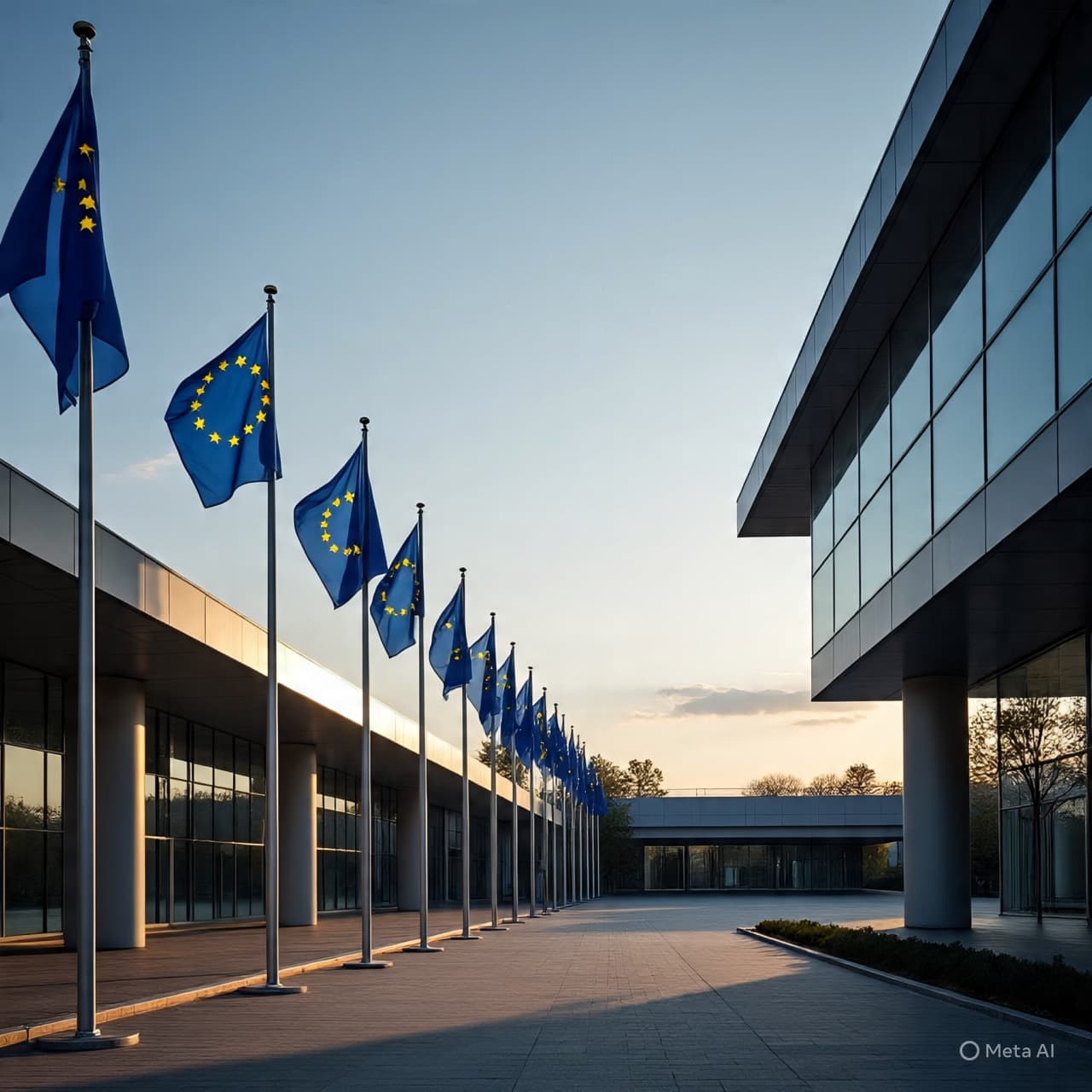
AI Image Disclaimer
Illustrations were created using AI tools and are not real photographs.
Sources
European Commission statements Hungarian government remarks Slovak government remarks EU legal analysts Energy policy observers
Published by Banx Network. This article is part of the Banx decentralized media programme, powered by the BXE token on the XRP Ledger.