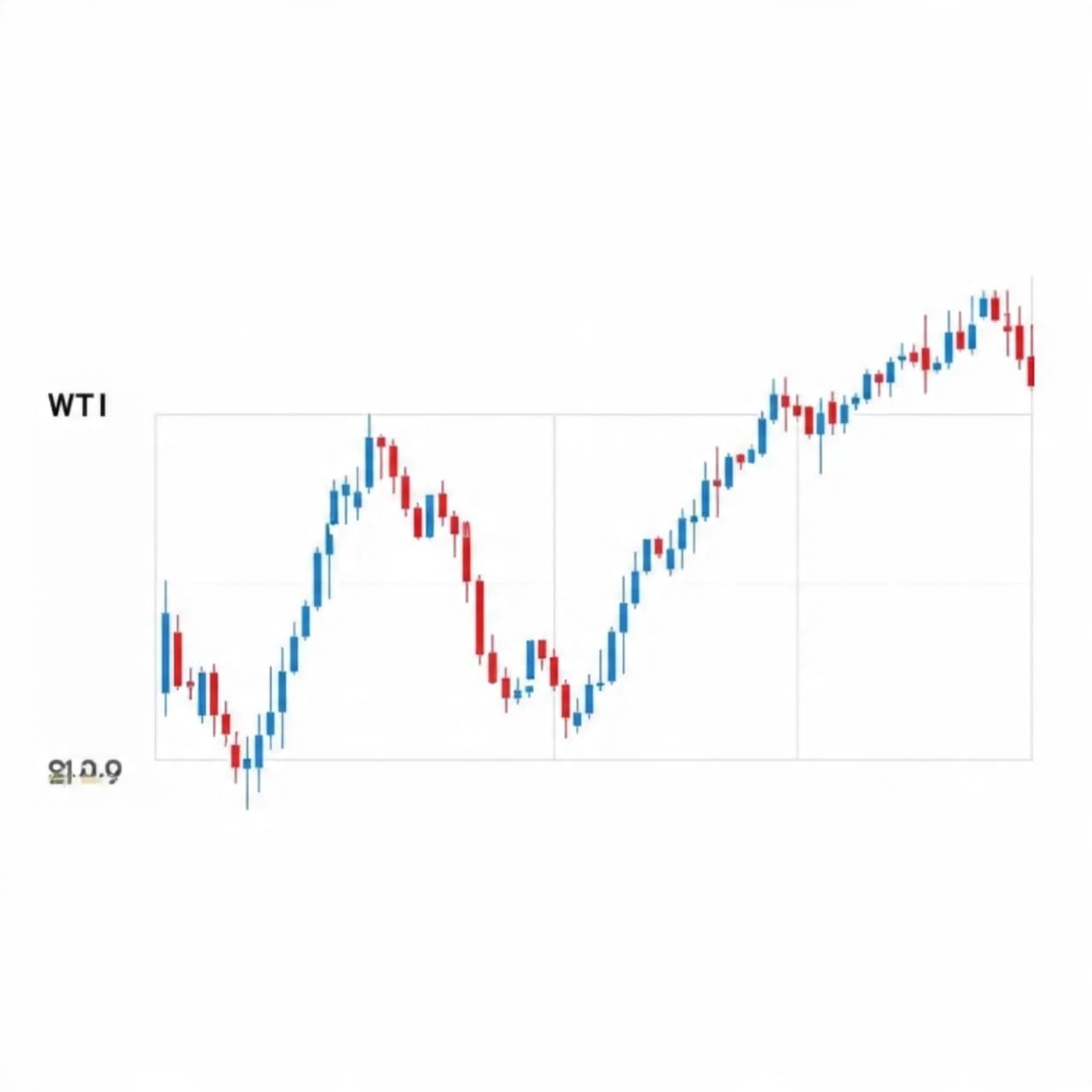
Key Highlights
- Oil prices fell below $100 per barrel following a ceasefire announcement.
- West Texas Intermediate (WTI) dropped to $96.82, while Brent crude fell to $94.43.
- Analysts warn that the relief in prices may be temporary amid ongoing geopolitical tensions.
A surprising diplomatic development in the Middle East has led to a significant shift in global oil markets. On Tuesday, President Donald Trump announced a temporary ceasefire agreement with Iran, which includes a two-week pause in hostilities and the reopening of the Strait of Hormuz. This vital waterway is crucial for global oil transport, accounting for approximately one-fifth of the world's oil supply. The announcement triggered a notable sell-off in energy markets, resulting in U.S. crude prices dropping below the $100-per-barrel threshold for the first time in weeks.
In early trading, West Texas Intermediate (WTI), the benchmark for U.S. crude oil, fell about 14%, closing at approximately $96.82 per barrel. Meanwhile, Brent crude, the international benchmark, experienced a decline of roughly 13.6%, settling around $94.43 per barrel. Traders interpreted the ceasefire as a temporary easing of geopolitical risks, alleviating fears of prolonged supply disruptions that had previously driven prices higher.
Prior to the ceasefire announcement, oil prices had been trading above $110 per barrel as markets reacted to the potential for extended conflict and the closure of the Strait of Hormuz. The effective closure of this critical chokepoint had tightened supply expectations, contributing to the surge in crude prices. The sudden pivot towards a diplomatic resolution has reduced the so-called 'risk premium' that traders had built into oil prices, leading to a swift reaction in the markets.
Market psychology has played a significant role in this price movement. The announcement of the ceasefire prompted investors to sell oil futures, resulting in a rise in global stock futures as confidence in the market briefly improved. However, analysts caution that this relief may be short-lived. While the ceasefire holds for now and the reopening of the strait is a positive development, the underlying tensions in the region remain unresolved, and uncertainty about the future trajectory of the conflict persists.
For consumers and the broader economy, lower crude prices could lead to more moderate gasoline and diesel costs at the pump if this trend continues. However, energy markets are notoriously sensitive to geopolitical developments, and many traders are remaining vigilant for any signs that supply disruptions could return. The recent decline below $100 per barrel marks a psychological shift in a market that had been fraught with conflict-driven fears.
As the situation develops, investors and policymakers will be closely monitoring whether this turn towards calmer waters can be sustained or if geopolitical risks will once again dominate the market narrative.
Published by Banx Network. This article is part of the Banx decentralized media programme, powered by the BXE token on the XRP Ledger.