
Key Highlights
- Indonesia's Pertamina vessels remain stranded in the Strait of Hormuz despite a ceasefire.
- Minister Bahlil Lahadalia emphasizes the need for caution in maritime operations.
- The situation reflects broader challenges in global trade and trust rebuilding.
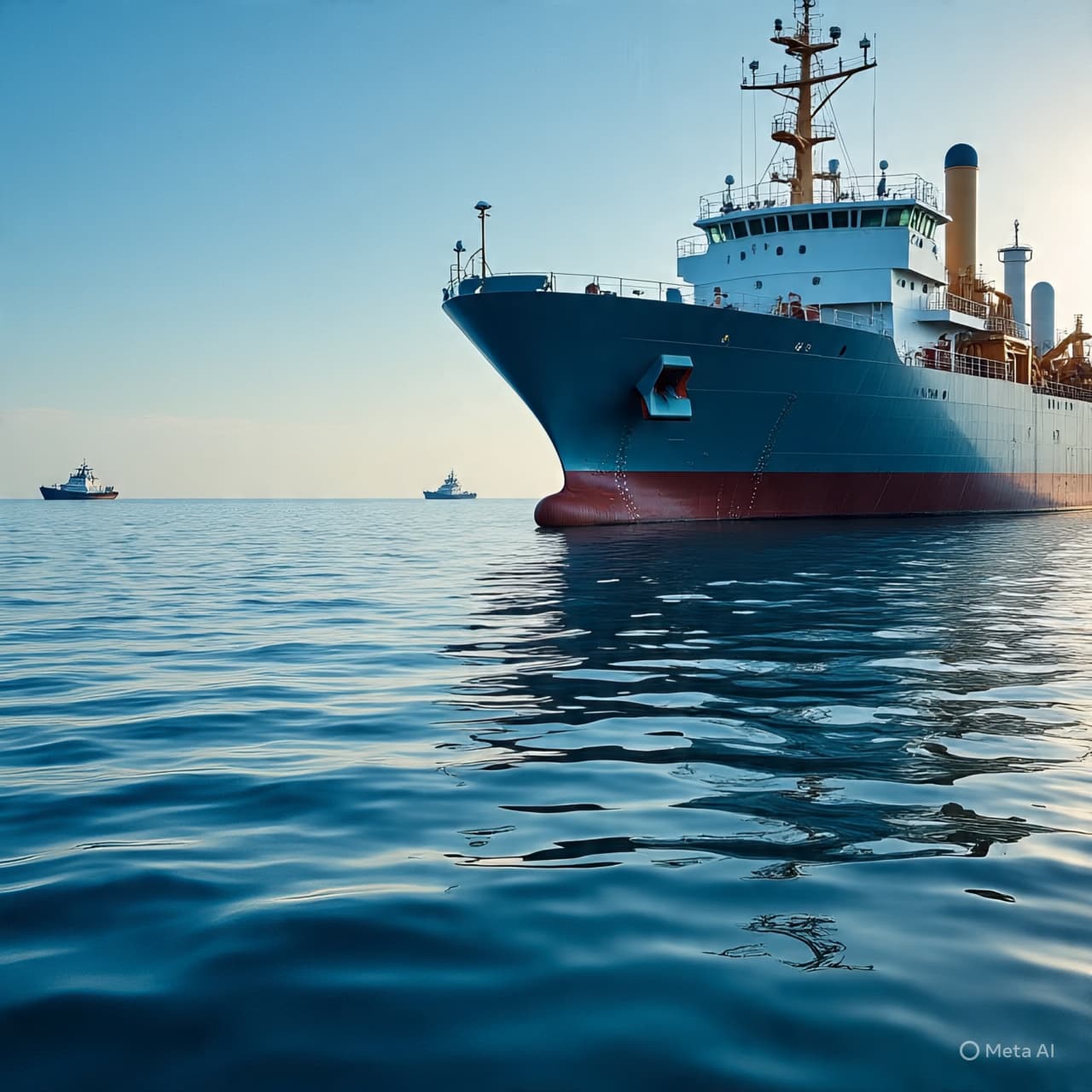
Indonesia is currently facing a significant challenge in maritime operations as two vessels from the state-owned energy company Pertamina remain unable to navigate the Strait of Hormuz. This situation persists despite recent announcements of a ceasefire between Iran and the United States, highlighting the complexities of international maritime security. Minister of Investment Bahlil Lahadalia has publicly acknowledged the ongoing difficulties, framing the issue not as a cause for alarm but as a realistic assessment of the current geopolitical landscape.
The ceasefire, while a positive development, does not guarantee immediate operational normalcy for shipping routes. Bahlil pointed out that maritime routes, especially those as strategically vital as the Strait of Hormuz, require time to adjust to new security protocols and operational realities. The presence of a ceasefire does not automatically restore trust among shipping operators and insurers, who often adopt a cautious approach in the aftermath of geopolitical tensions.
The Strait of Hormuz is one of the world's most critical energy chokepoints, with a significant portion of global oil supplies passing through it. Any disruption, no matter how minor, can have far-reaching implications for supply chains, pricing, and national reserves. For Indonesia, ensuring uninterrupted access to this vital route is both an economic necessity and a strategic imperative. The government is acutely aware of the potential risks and is actively monitoring the situation while preparing contingency measures to mitigate any adverse effects on domestic energy supplies.
Bahlil's comments reflect a broader understanding of the complexities involved in international maritime dynamics. Shipping insurers and operators often take a 'wait-and-see' approach following geopolitical incidents, which can lead to delays in shipping movements even after formal hostilities have ceased. This cautious stance underscores the importance of rebuilding trust in the maritime sector, which can take time and careful management.
Despite the challenges, Indonesia's government appears to be taking a measured approach to the situation. There is no indication of panic or hasty decisions; rather, the focus is on aligning expectations with the realities of the current geopolitical climate. The situation serves as a reminder that peace is often a gradual process, requiring patience and strategic planning.
In conclusion, the story of Indonesia's ships waiting at sea is emblematic of the broader challenges nations face in interpreting and responding to geopolitical events. It underscores the need for a nuanced understanding of peace—not as an instantaneous resolution, but as a complex journey towards stability and certainty in international relations.
Published by Banx Network. This article is part of the Banx decentralized media programme, powered by the BXE token on the XRP Ledger.



