

Key Highlights
- U.S. and Iran engage in diplomatic discussions to reduce tensions.
- Israel maintains a firm military strategy amid ongoing negotiations.
- The situation reflects the complexities of Middle Eastern geopolitics.
In regions shaped by history and memory, the idea of peace often arrives not as a declaration, but as a quiet possibility—fragile, uncertain, and easily overshadowed. As diplomatic signals emerge between the United States and Iran, another reality unfolds in parallel, one defined by persistence rather than pause.
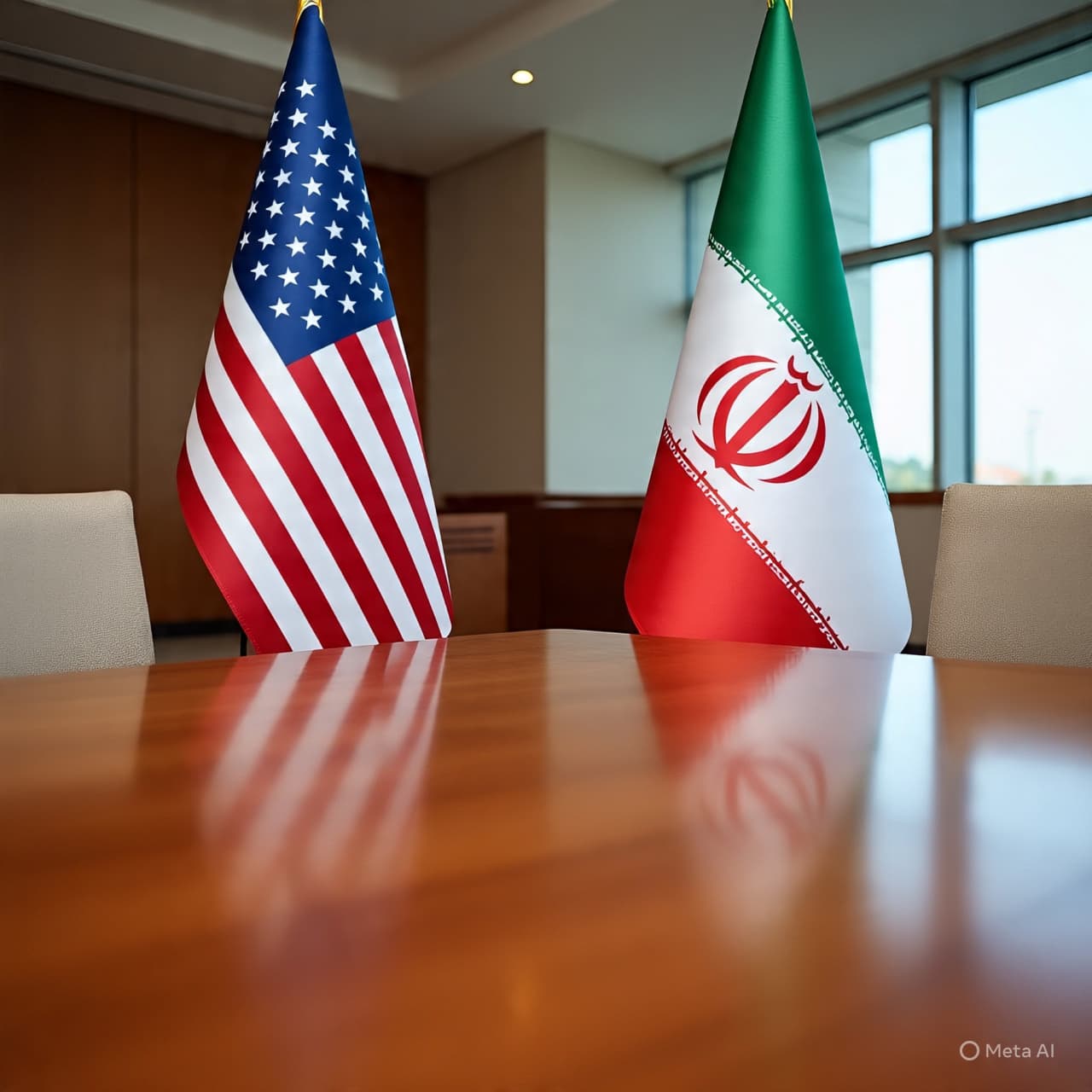
Recent reports indicate that while Washington and Tehran have engaged in discussions aimed at reducing tensions, Israel has maintained a firm stance on continuing its military strategy. Officials within Israel have described their position in terms that suggest a long-term, sustained effort—one that some analysts have referred to as a “forever war.”
The divergence highlights the complexity of Middle Eastern geopolitics, where alliances, security concerns, and historical grievances intersect. For the United States, pursuing a truce with Iran reflects both strategic recalibration and a desire to prevent further escalation in an already volatile region. This approach aims to stabilize the area while addressing Iran's nuclear ambitions and regional influence.
Iran, on the other hand, has signaled cautious openness to dialogue, though its leadership continues to emphasize sovereignty and resistance to external pressure. The discussions, still in early stages, have yet to produce a formal agreement but indicate a willingness to explore de-escalation. Iran's position is influenced by its desire to maintain its regional power and deter perceived threats from both Israel and the U.S.
Israel’s position introduces a contrasting dynamic. Government officials have reiterated their commitment to addressing perceived threats, particularly those linked to Iran’s regional influence and military capabilities. This stance underscores longstanding concerns about national security and regional balance. Israel's military actions are often justified by the need to counteract Iranian support for militant groups in neighboring countries, which it views as a direct threat.
Analysts note that such differing approaches are not uncommon in international relations, especially in regions marked by layered conflicts. While diplomacy seeks to build bridges, security policies often reinforce boundaries, creating a dual-track reality. The challenge lies in reconciling these two approaches to achieve a sustainable peace.
The broader international community has responded with a mix of cautious optimism and concern. European leaders have encouraged dialogue, while regional actors watch closely, aware that shifts in policy can have far-reaching implications. The potential for a diplomatic breakthrough is tempered by the realities of military posturing and historical animosities.
Humanitarian considerations also remain central. Prolonged conflict carries consequences for civilian populations, infrastructure, and economic stability. The prospect of reduced tensions offers hope, but the persistence of military strategies tempers expectations. As humanitarian crises unfold, the need for a comprehensive approach to peace becomes increasingly urgent.
As events continue to unfold, the situation reflects a delicate balance between possibility and permanence. The language of peace may be spoken in one forum, while the machinery of conflict continues in another. In the end, the path forward may depend not only on negotiations but on the willingness of all parties to align their visions of security and stability.
Published by Banx Network. This article is part of the Banx decentralized media programme, powered by the BXE token on the XRP Ledger.




