In the quiet hours of diplomatic imagination, peace is often likened to a garden — one that requires tending, light, and patience. Yet, even the most well‑intentioned gardens sometimes wrestle with weeds of doubt and questions of cost. In the unfolding story of a new proposed international body, an idea meant to shepherd recovery and stability in places scarred by conflict has become a subject of global conversation, not just for its hoped‑for purpose but for the price tag attached to it.
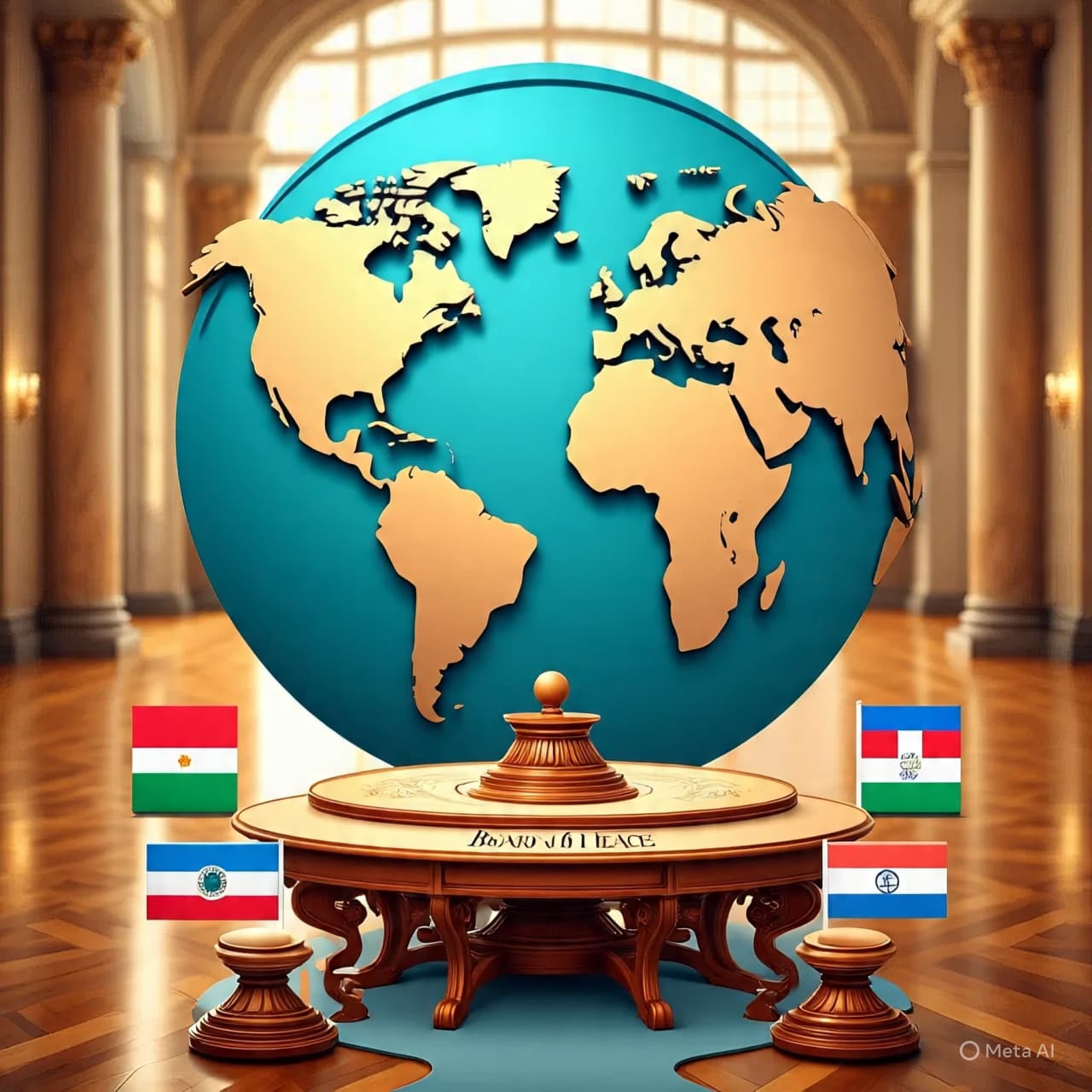
At the center of this narrative is a plan championed by U.S. President Donald Trump to create a “Board of Peace,” an international assembly envisioned to take part in rebuilding efforts and long‑term stability efforts, starting with the Gaza Strip. A draft charter for this body, reviewed by Bloomberg and reported by other outlets, suggests that countries wishing to secure permanent membership — a kind of long‑term seat at this diplomatic table — would need to contribute at least US$1 billion in cash funds within the first year of the board’s formation. Under this draft, while each member state’s term is limited to three years, those who provide the substantial contribution might be eligible for renewal beyond that term.
The imagery of dollars and diplomacy entwined has stirred reactions in capitals from Buenos Aires to Ottawa. Some observers see the idea as an attempt to build yet another forum for cooperation in a fragmented world. Others register unease at a concept that seems to link financial muscle with participation in a body tasked with fostering peace — a notion that sits uneasily against traditional ideas of international cooperation where equality among states is prized.
From the vantage points of diplomats and analysts, this proposed fee threshold has quickly overshadowed the organization’s ostensible mission. Critics have even voiced concerns that the board might become an alternative or parallel structure to long‑standing multilateral institutions like the United Nations.
But on the other side of the public stage, the White House has pushed back. Officials have described media accounts of a required $1 billion payment as “misleading,” emphasizing that there is no mandatory membership fee to join the Board of Peace. Instead, they framed the idea as offering “permanent membership to partner countries who demonstrate deep commitment to peace, security, and prosperity.” The U.S. State Department pointed out that previous public posts about the board — by Trump and his special envoy — did not mention any specific financial threshold.
In the intricate choreography of international diplomacy, perception often dances as closely with policy as reality does. Whether the plan will keep its proposed financial clause, be reshaped through consultations with potential member states, or fade under broader debate remains uncertain. For many, this episode highlights the delicate balance between resources and representation — particularly when the subject at hand is peace.
As the world watches, nations large and small are left to consider not only the potential benefits of engaging with the Board of Peace but also what it means when peace is discussed in terms of billions.
In the end, the story may be about more than dollars. It may serve as a reminder that peace is rarely free from cost — whether that cost is measured in money, political capital, or the patient weaving of trust across borders.
AI Image Disclaimer (rotated wording) Visuals are created with AI tools and are not real photographs.
Sources
• Bloomberg News
• Reuters
• The Jerusalem Post
• Financial Express
• South China Morning Post
Published by Banx Network. This article is part of the Banx decentralized media programme, powered by the BXE token on the XRP Ledger.