In the Middle East, the rhythm of daily life is often interrupted by the sudden shock of violence, a reminder of the enduring tensions that define the region. Recent reports confirm that Israeli military strikes have resulted in casualties in both Gaza and the West Bank, adding to the heavy toll of a prolonged conflict. These events are not isolated incidents but part of a broader pattern of escalation that continues to destabilize the area, affecting countless lives and deepening the cycle of grief and anger.
In Gaza, five individuals were killed in airstrikes targeting what military officials described as militant infrastructure. The dense urban environment means that such operations often carry high risks for civilians, leading to tragic losses. Local health authorities have reported injuries and damage to residential areas, highlighting the severe humanitarian impact of the ongoing hostilities.
Simultaneously, in the West Bank, three people lost their lives during a separate operation. Tensions in this region have been rising, with frequent clashes between Israeli forces and Palestinian residents. The violence here is often linked to settlement expansion, arrests, and retaliatory attacks, creating a volatile atmosphere that threatens any prospects for peace.
International observers have expressed deep concern over the escalating violence. Calls for restraint and de-escalation have come from various global leaders and organizations, urging all parties to prioritize civilian protection. However, the underlying political stalemate and mutual distrust make immediate resolution difficult, leaving communities trapped in a state of perpetual insecurity.
For the families of the victims, the loss is immeasurable. Each death represents a shattered future, a community in mourning, and a deeper entrenchment of resentment. The psychological toll on children and adults alike is profound, affecting mental health and social cohesion in both societies.
Humanitarian agencies are struggling to provide aid amidst the chaos. In Gaza, access to medical supplies and food remains limited due to blockades and damage to infrastructure. In the West Bank, movement restrictions hinder the delivery of essential services. The humanitarian crisis is a silent companion to the visible violence, exacerbating suffering.
Political analysts note that without a renewed commitment to dialogue and negotiation, the cycle of violence is likely to continue. Short-term security measures may suppress immediate threats but fail to address the root causes of the conflict. Long-term stability requires addressing issues of sovereignty, security, and justice for both sides.
Efforts to mediate a ceasefire are ongoing, though progress remains slow. The international community continues to monitor the situation, advocating for a return to negotiations and an end to the bloodshed.
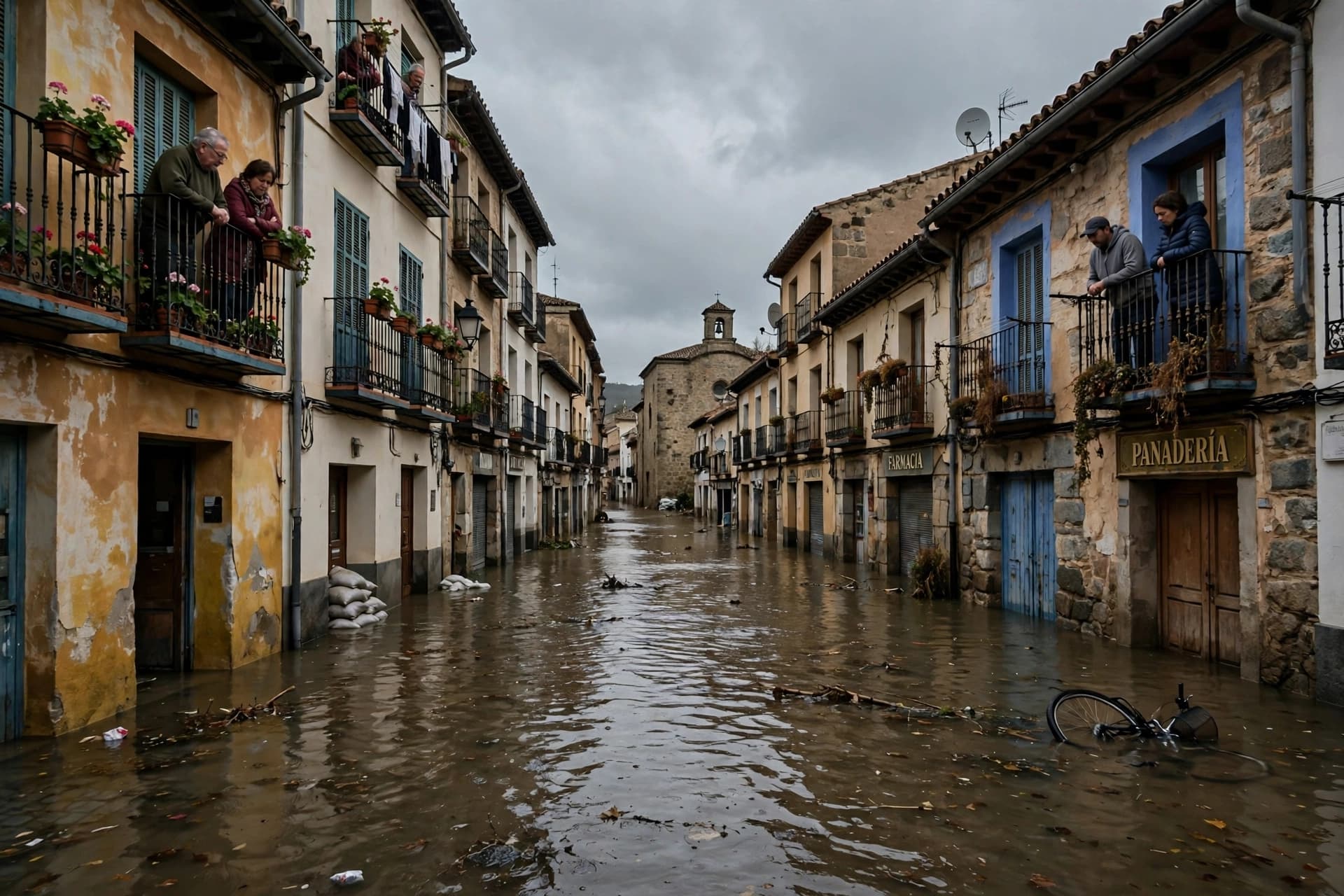
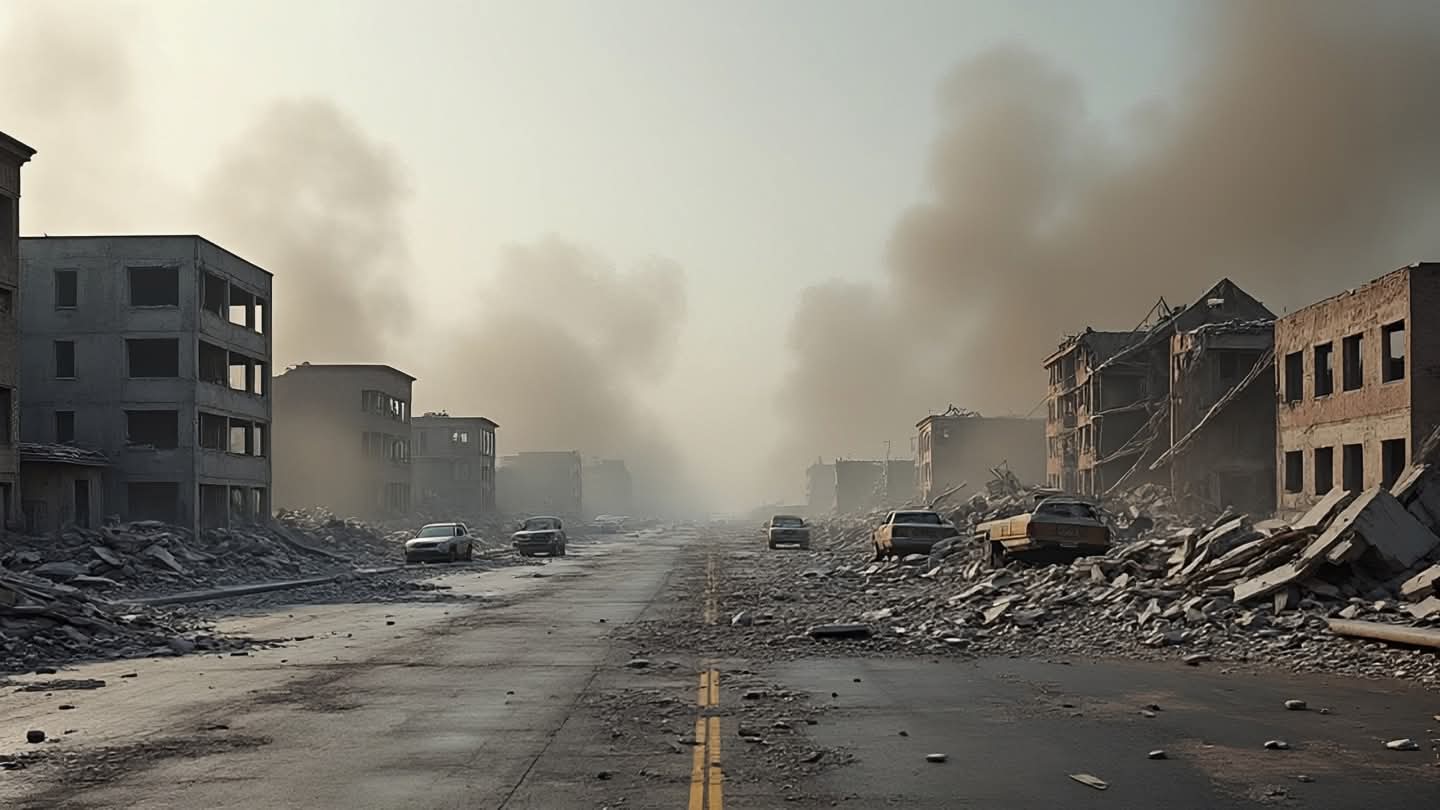
AI Image Disclaimer: Please be aware that any images accompanying this article are AI-generated illustrations designed to evoke the themes of conflict, humanitarian aid, and the desire for peace.
Sources: Reuters Associated Press Al Jazeera BBC News United Nations Office for the Coordination of Humanitarian Affairs (OCHA)
Published by Banx Network. This article is part of the Banx decentralized media programme, powered by the BXE token on the XRP Ledger.