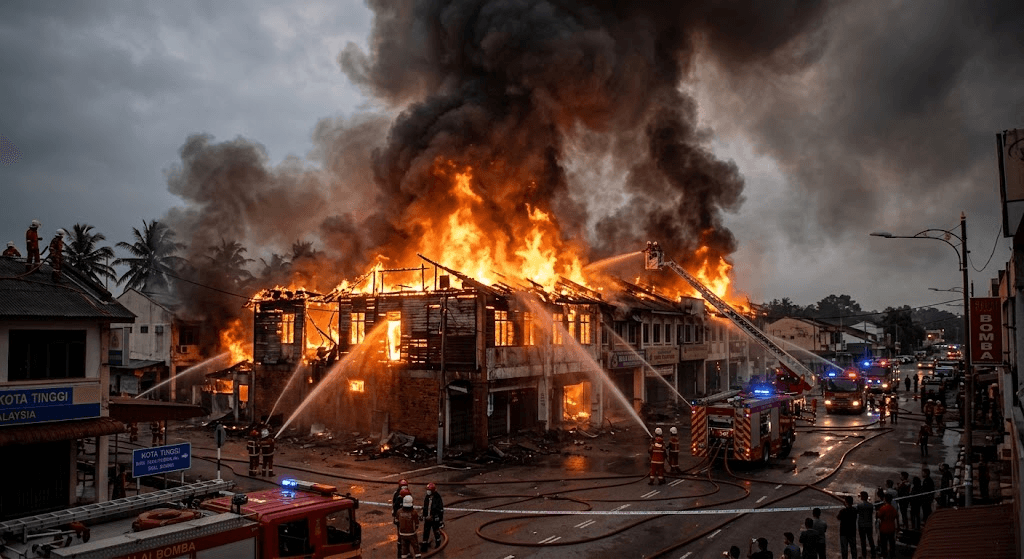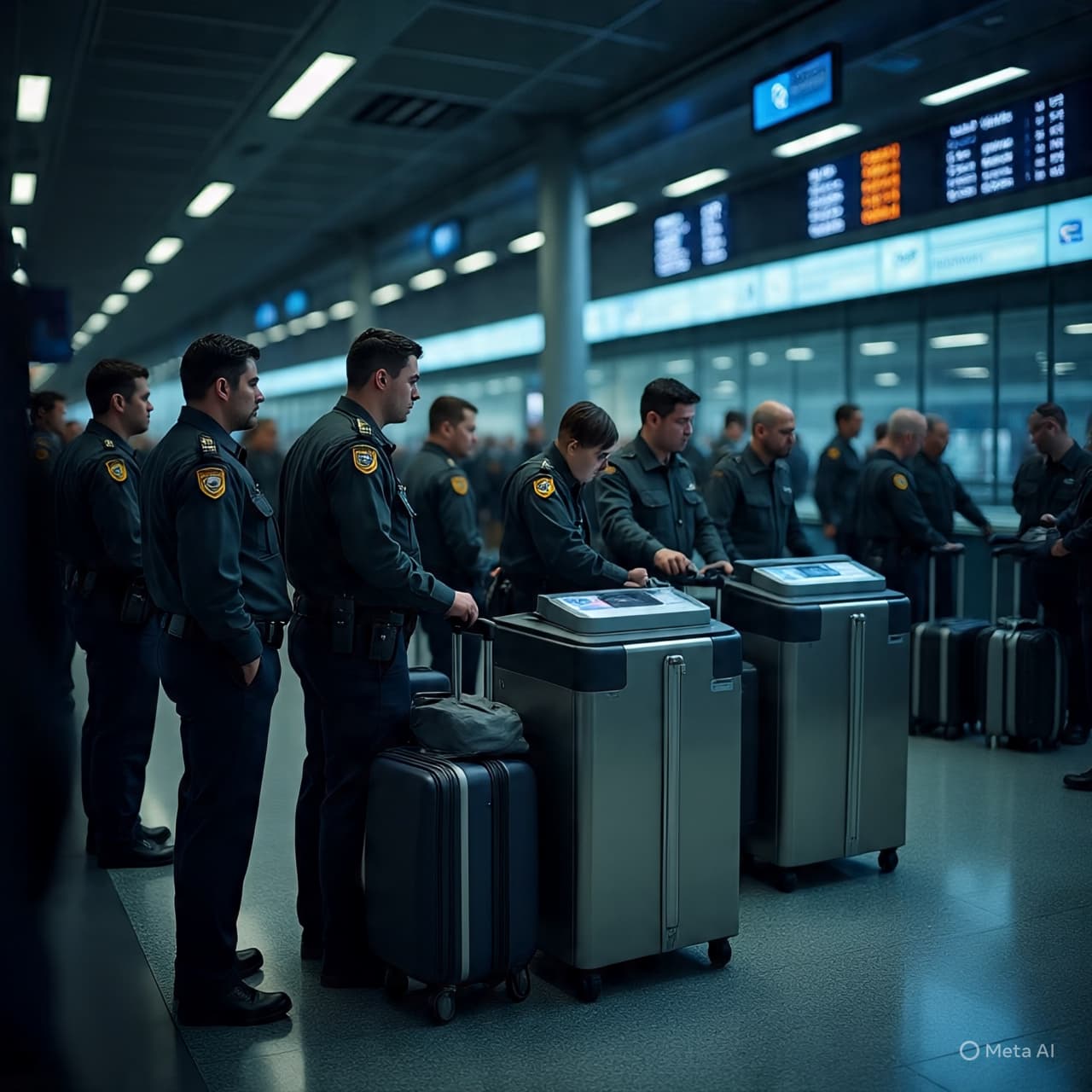
There are moments when a nation’s rhythm falters—not in grand, visible ruptures, but in quieter disruptions that ripple through ordinary lives. Airports, often symbols of movement and continuity, begin to feel different in such times. The lines may still form, the announcements still echo, but beneath the surface, something more fragile is unfolding. It is not merely about flights delayed or routines interrupted, but about people—those who stand in uniform, day after day—finding themselves caught between duty and survival.
In the long corridors of airport security, Transportation Security Administration officers have long been the steady presence guiding millions through the thresholds of travel. Yet during government shutdowns, that steadiness is tested in ways that extend far beyond professional commitment. Required to work without immediate pay, many officers face a reality that grows heavier with each passing day. Rent does not pause, car payments do not wait, and grocery shelves at home do not fill themselves through patience alone.
Reports emerging from multiple regions suggest a quiet but notable shift: some officers are choosing to step away rather than continue under financial strain. It is not a decision made lightly. For many, the job represents stability, public service, and a sense of purpose. But when eviction notices begin to appear, when the risk of losing a vehicle becomes real, and when the simple act of providing food for a family becomes uncertain, the equation changes. Duty, while deeply held, must contend with immediate human needs.
This unfolding situation reveals a tension embedded within essential work during times of political stalemate. While airports remain open and security operations continue, the workforce sustaining them becomes increasingly stretched. Absentee rates rise, morale softens, and those who remain carry not only their responsibilities but also the quiet weight of uncertainty. The system continues to function, yet it does so with visible strain—like a machine still running, though its gears are beginning to wear.
Travelers may notice longer lines or slower processes, subtle indicators of a deeper story. Behind each delay is not merely logistics, but the lived experience of individuals navigating an impossible balance. Some officers continue to report for duty despite mounting hardships, holding onto the promise of eventual back pay. Others, facing more immediate pressures, choose to prioritize their households, stepping away from roles they once relied upon.
Government shutdowns, by their nature, are temporary. They begin, they linger, and eventually, they end. But for those directly affected, the consequences can extend beyond the official timeline. Financial setbacks, emotional strain, and difficult choices do not simply dissolve when operations resume. They leave traces—quiet reminders of a period when stability felt just out of reach.
In the end, this is not solely a story about policy or procedure. It is about the human dimension of systems often taken for granted. The uniforms at security checkpoints represent more than authority; they represent individuals navigating uncertainty with as much resilience as circumstances allow. And as the shutdown continues to cast its shadow, their stories offer a softer, more personal reflection of a larger national pause.
AI Image Disclaimer Illustrations were produced with AI and serve as conceptual depictions.
Source Check — Credible Media Coverage Identified:
CNN The New York Times The Washington Post Reuters NBC News
Published by Banx Network. This article is part of the Banx decentralized media programme, powered by the BXE token on the XRP Ledger.