

Key Highlights
- TSA officers are required to work without pay during government shutdowns.
- Many officers face financial hardships, leading to increased absenteeism.
- The impact of these shutdowns extends beyond immediate pay issues, affecting airport operations.
[Impact on TSA Workers]
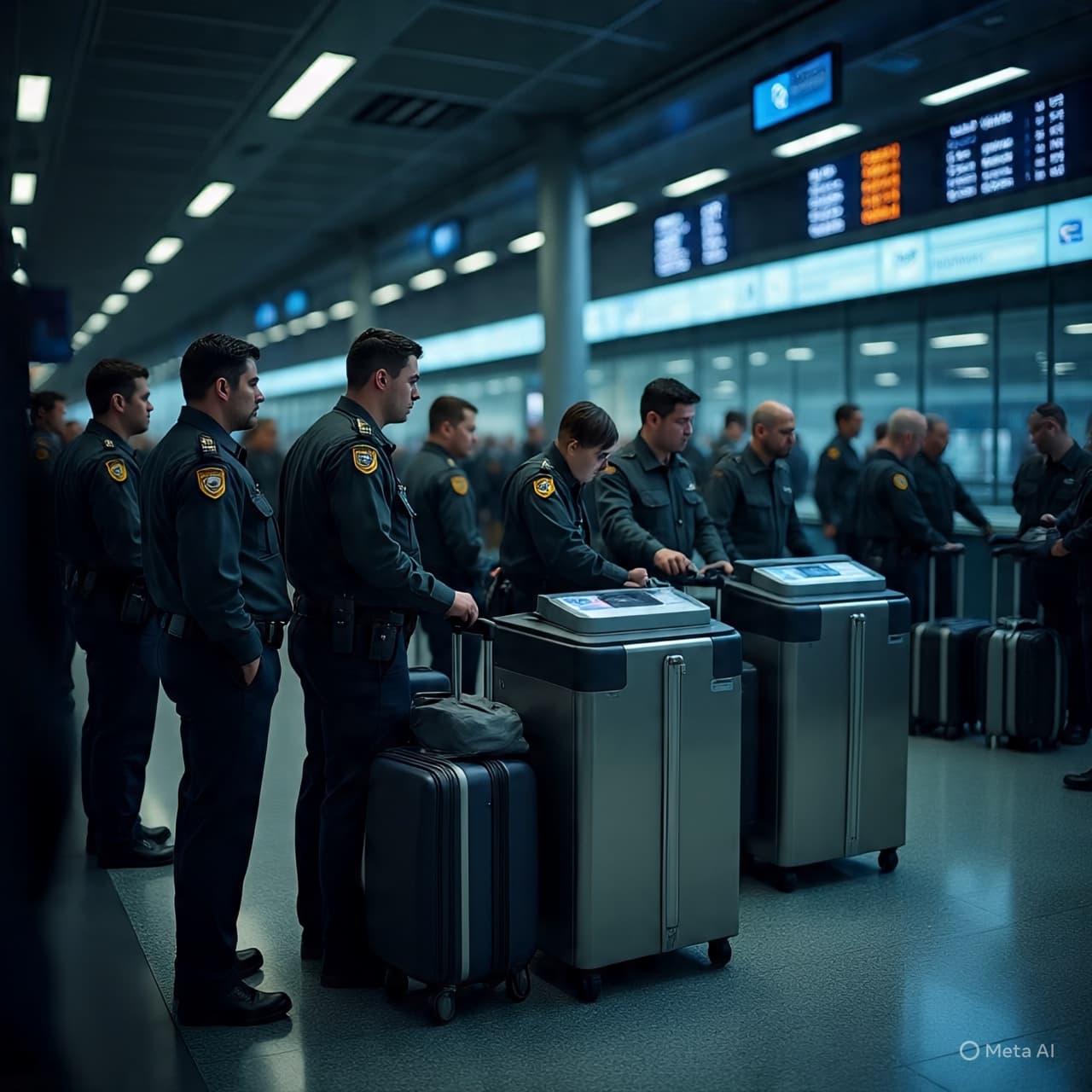
During government shutdowns, the Transportation Security Administration (TSA) officers, who are essential to airport security, find themselves in a precarious situation. Required to work without pay, these officers are caught in a conflict between their professional duties and their personal financial responsibilities. As reports indicate, the pressure of unpaid work is leading some officers to reconsider their roles, with many facing eviction notices and the risk of losing their vehicles. This situation highlights the human cost of political decisions that often seem distant from the everyday lives of those affected.
[Operational Challenges at Airports]
The ramifications of these financial strains are not limited to the TSA workforce alone; they ripple through the entire airport experience. Travelers may notice longer lines and slower processing times at security checkpoints. These delays are not merely logistical; they reflect the reality of a workforce that is increasingly stretched thin. As absentee rates rise and morale dips, the TSA's ability to maintain efficient operations is compromised. The system, while still functioning, operates under significant strain, revealing the fragility of the infrastructure that supports air travel.
[Personal Stories Behind the Uniforms]
Behind the uniforms at security checkpoints are individuals who are navigating their own financial crises. Many TSA officers have dedicated their careers to public service, finding purpose in their roles. However, the reality of working without pay during a government shutdown forces them to confront harsh choices. Some officers continue to report for duty, holding onto the hope of eventual back pay, while others prioritize their immediate household needs, stepping away from their posts. This personal struggle underscores the broader implications of government policies on the lives of those who serve the public.
[Long-Term Consequences of Shutdowns]
While government shutdowns are often temporary, their effects can linger long after operations resume. Financial setbacks and emotional stress can leave lasting marks on the individuals involved. For TSA workers, the uncertainty of their financial future can overshadow their commitment to their roles. As they navigate this challenging landscape, the stories of these officers serve as poignant reminders of the human dimension often overlooked in discussions about policy and procedure.
[Conclusion: A Call for Awareness]
Ultimately, the situation of TSA workers during government shutdowns is not just a matter of operational efficiency; it is a reflection of the broader societal values we hold. The uniforms at security checkpoints symbolize authority and safety, but they also represent the resilience of individuals facing uncertainty. As the shutdown continues, it is crucial to recognize the human stories behind the headlines and to advocate for policies that support those who serve us in times of need.
Published by Banx Network. This article is part of the Banx decentralized media programme, powered by the BXE token on the XRP Ledger.




