
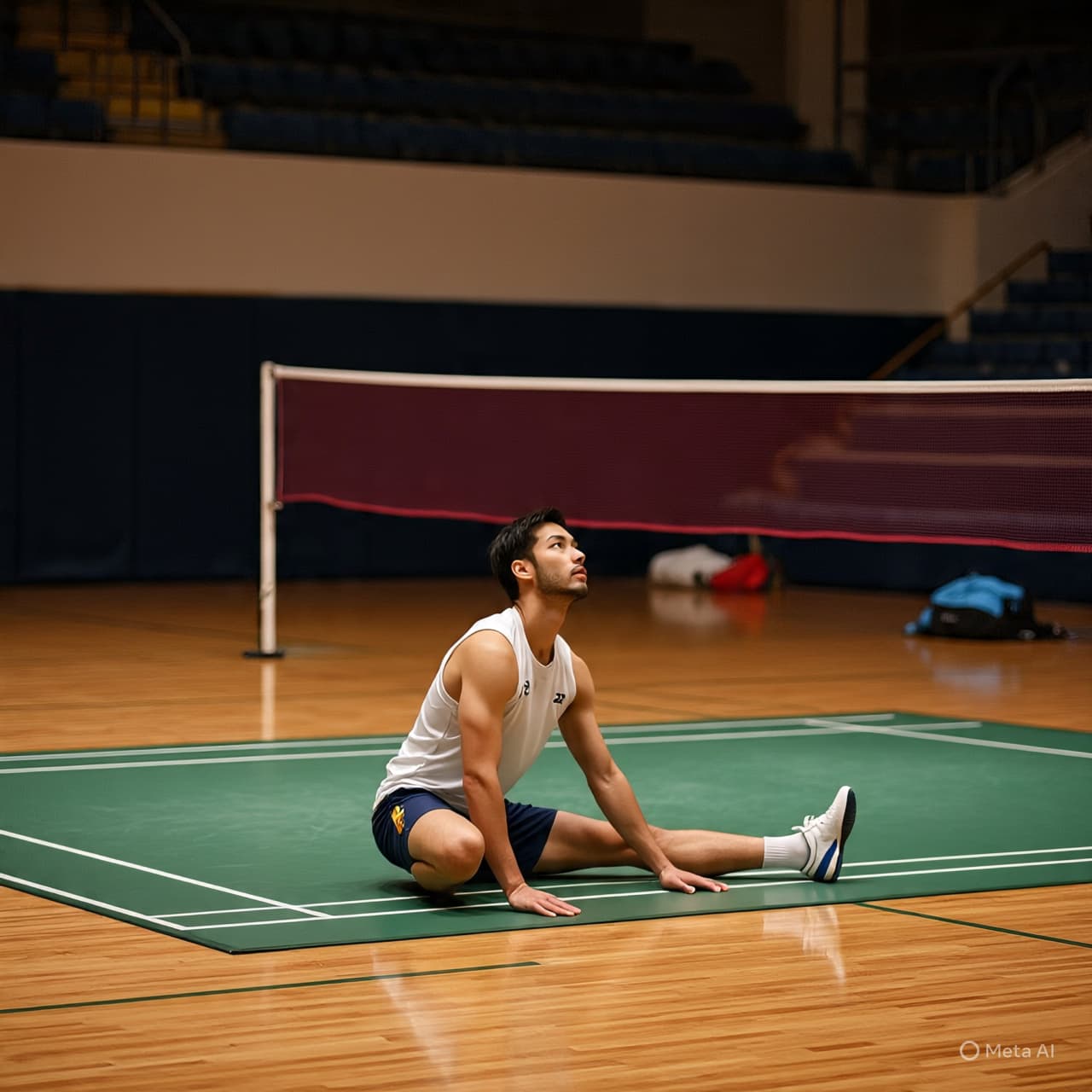
Opening In the quiet moments before a shuttlecock arcs into flight, there is a stillness — a pause that speaks of preparation, anticipation, and the fragile weave of form and expectation. For athletes, tournaments are not just calendars to be crossed off; they are chapters in a story of growth, setbacks, and reinvention. On the eve of the Indonesian Masters, Malaysia’s Leong Jun Hao found himself at such a crossroads, where decisions made in training halls resonate on courts and in the hearts of supporters. In this quiet interlude of uncertainty, head coach Kenneth Jonassen’s thoughtful choice to withdraw Jun Hao from competition reads like an invitation to reflect on resilience and long-term goals rather than the immediacy of victory.
Body Jun Hao, ranked among the world’s top singles shuttlers, was poised to take to the storied stage of Istora Senayan. Yet, those plans shifted after Jonassen revealed that the reason for his absence was not illness or external spectacle but the body’s own quiet signals — subtle issues that kept him from training at the prepared intensity. It was a decision rooted not in drama but in thoughtful care, acknowledging the rhythms of an athlete’s body and the seasons of competition ahead.
Jonassen emphasized that this internal concern wasn’t a serious injury but something that hindered Jun Hao’s ability to push fully in practice. Rather than risk aggravation and compromise future performance, especially with a European campaign and significant tournaments like the All-England on the horizon, the decision was made to focus on rehabilitation and strength conditioning.
This measured choice echoes a larger narrative in competitive sport: that progress is not always linear, and sometimes stepping back is the most strategic way forward. For Jun Hao, who had earlier struggled with rhythm and results — including an early exit at the India Open — this pivot may be less about absence and more about intentional preparation.
In his absence, Malaysia turns attention to other talents like Justin Hoh and Lee Zii Jia, who carry their own stories of perseverance into the Indonesian Masters. Their opportunity at Istora, surrounded by electric crowds and a unique playing atmosphere, hints at the ever-present interplay of challenge and possibility that defines badminton’s global stage.
Closing As the tournament unfolds, the Indonesian Masters will not only be a competition of points and progress but also a reflection on how athletes and coaches navigate the unpredictable landscapes of sport. Jun Hao’s withdrawal, marked by careful judgment rather than crisis, underscores a nuanced approach to performance — one that values readiness and balance over immediate results. In the gentle hum of arena lights and the quiet focus of training halls, the deeper rhythms of growth continue, inviting both players and fans to look beyond the scoreboard.
AI Image Disclaimer “Visuals are created with AI tools and are not real photographs.”
Sources Found
The Star Media — Jonassen reveals internal issue behind Jun Hao withdrawal New Straits Times — Zii Jia, Justin can rise on Istora magic (context on Jun Hao withdrawal) Flashsukan.com.my — Jun Hao tarik diri elak risiko, fokus kempen Eropah Mureks.co.id — Leong Jun Hao’s bid to bounce back at Indonesia Masters 2026 (context) Liga Olahraga — Jonassen Andalkan Leong Jun Hao... (context on performance leading up)
Published by Banx Network. This article is part of the Banx decentralized media programme, powered by the BXE token on the XRP Ledger.
.jpg&w=3840&q=75 "Blake Lively Awarded $400,000 in Legal Fees After Justin Baldoni Lawsuit Dismissed")

.jpg&w=3840&q=75 "US Declares Drought Disaster for Parts of Puerto Rico as Dry Conditions Persist")