In the grand theater of Quebec politics, where history and identity often dance a complex tango, the second televised debate offered more than just policy contrasts; it provided a stage for the enduring question of nationhood. As party leaders gathered under the bright lights, the specter of sovereignty and the possibility of a referendum emerged not as distant echoes but as immediate points of contention. This dialogue invites us to reflect on how the past continues to shape the present, and how the desire for self-determination remains a potent force in the province’s political landscape.
The debate was marked by a clear divergence in vision. For some leaders, the path forward involves a renewed push for independence, viewing a referendum as a necessary step to secure Quebec’s place in the world. They argued that the current federal framework no longer serves the unique cultural and linguistic needs of the province. This perspective is rooted in a deep-seated belief that true autonomy is the only way to preserve and promote Quebec’s distinct society.
Conversely, other leaders emphasized the benefits of remaining within Canada, highlighting economic stability and shared values. They cautioned against the uncertainties of separation, suggesting that energy is better spent on improving healthcare, education, and infrastructure within the existing constitutional structure. This stance appeals to those who prioritize practical governance over ideological purity, seeking progress through collaboration rather than division.
The discussion around a referendum was particularly charged. Proponents framed it as a democratic right, a chance for citizens to have their say on their future. Opponents, however, viewed it as a distraction from pressing social issues, arguing that reopening the constitutional wound could lead to instability and economic disruption. This tension reflects the broader societal divide, where emotions run high and opinions are deeply held.
Throughout the exchange, the leaders employed rhetoric that resonated with their respective bases. References to historical struggles and cultural pride were woven into arguments for sovereignty, while appeals to unity and pragmatic problem-solving characterized the federalist position. These narratives are not just political strategies but reflections of the diverse identities that make up Quebec’s populace.
The audience, both in the studio and at home, witnessed a clash of ideologies that has defined Quebec politics for decades. Yet, there was also a sense of evolution. The arguments were nuanced, acknowledging the complexities of globalization and the changing nature of national identity. It was a reminder that the question of sovereignty is not static but evolves with each generation.
As the debate concluded, no single winner emerged in the traditional sense. Instead, the event highlighted the ongoing dialogue that defines Quebec’s democracy. It served as a platform for airing grievances, proposing solutions, and reaffirming commitments. The conversation about sovereignty and referendums is likely to continue, shaping the political discourse leading up to the next election.
The second televised debate in Quebec underscored the enduring relevance of the sovereignty question. It reminded viewers that political choices are deeply personal and historically grounded. As the province moves forward, the balance between independence and federation will remain a central theme, inviting continued reflection and engagement from all citizens.
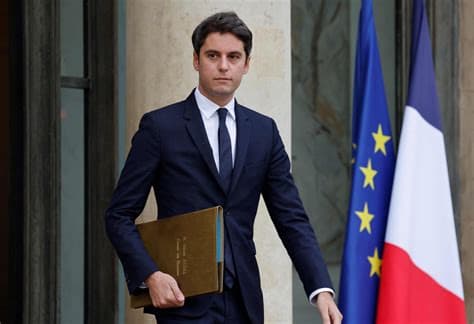
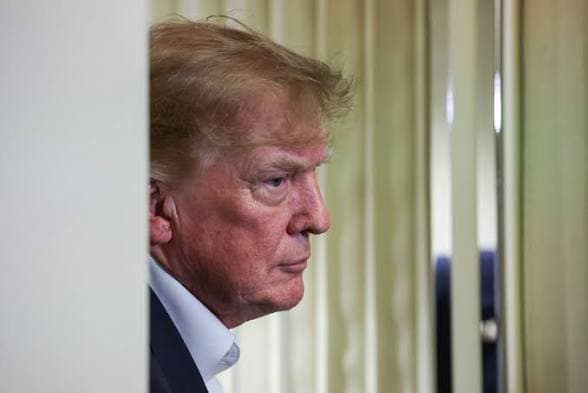
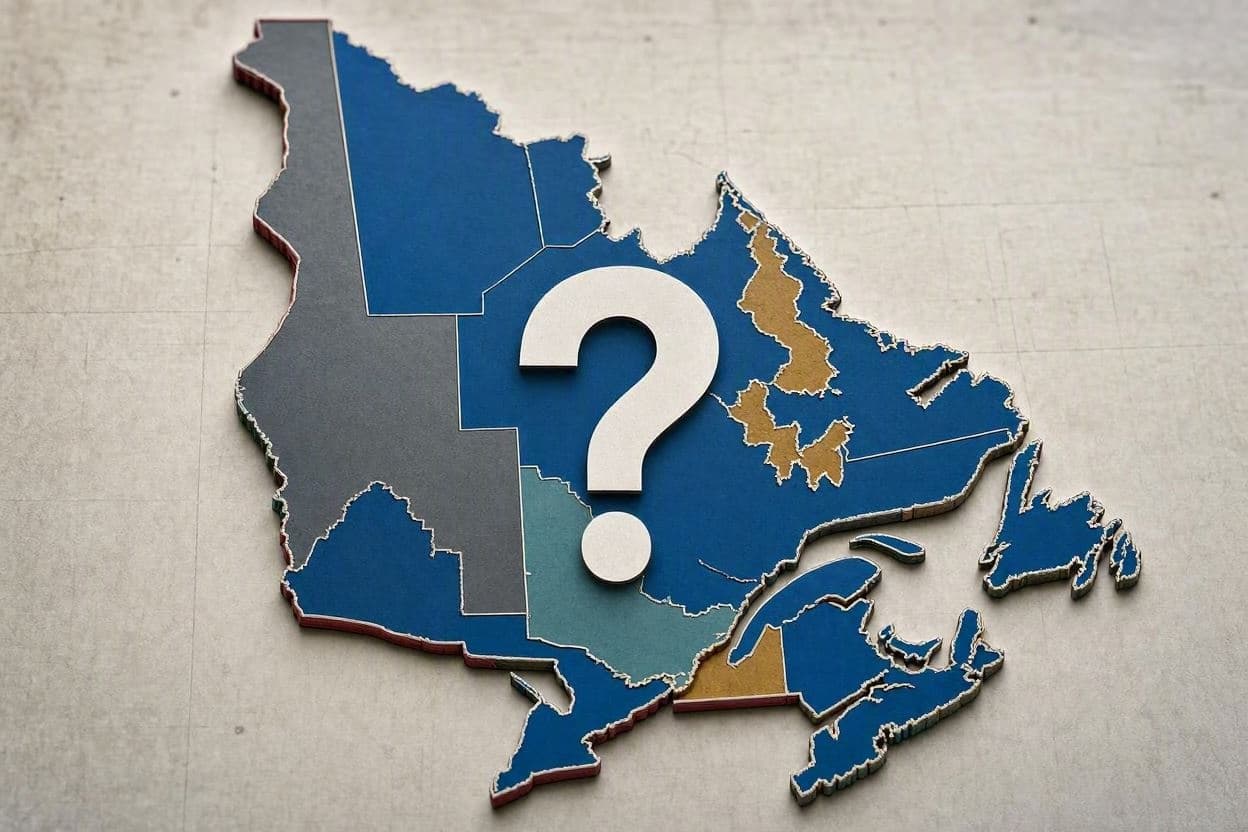
AI Image Disclaimer: The visual illustrations accompanying this article are AI-generated concepts designed to represent the theme of political debate and democratic discourse, not actual photographs of the event.
Sources: CBC News La Presse Le Devoir Global News
Published by Banx Network. This article is part of the Banx decentralized media programme, powered by the BXE token on the XRP Ledger.