
Key Highlights
- Proposed transit fees in the Strait of Hormuz could reshape global oil supply dynamics.
- Iran and Oman are central to discussions on the implementation of these fees.
- Shipping companies may need to reassess routes and costs due to potential fee increases.
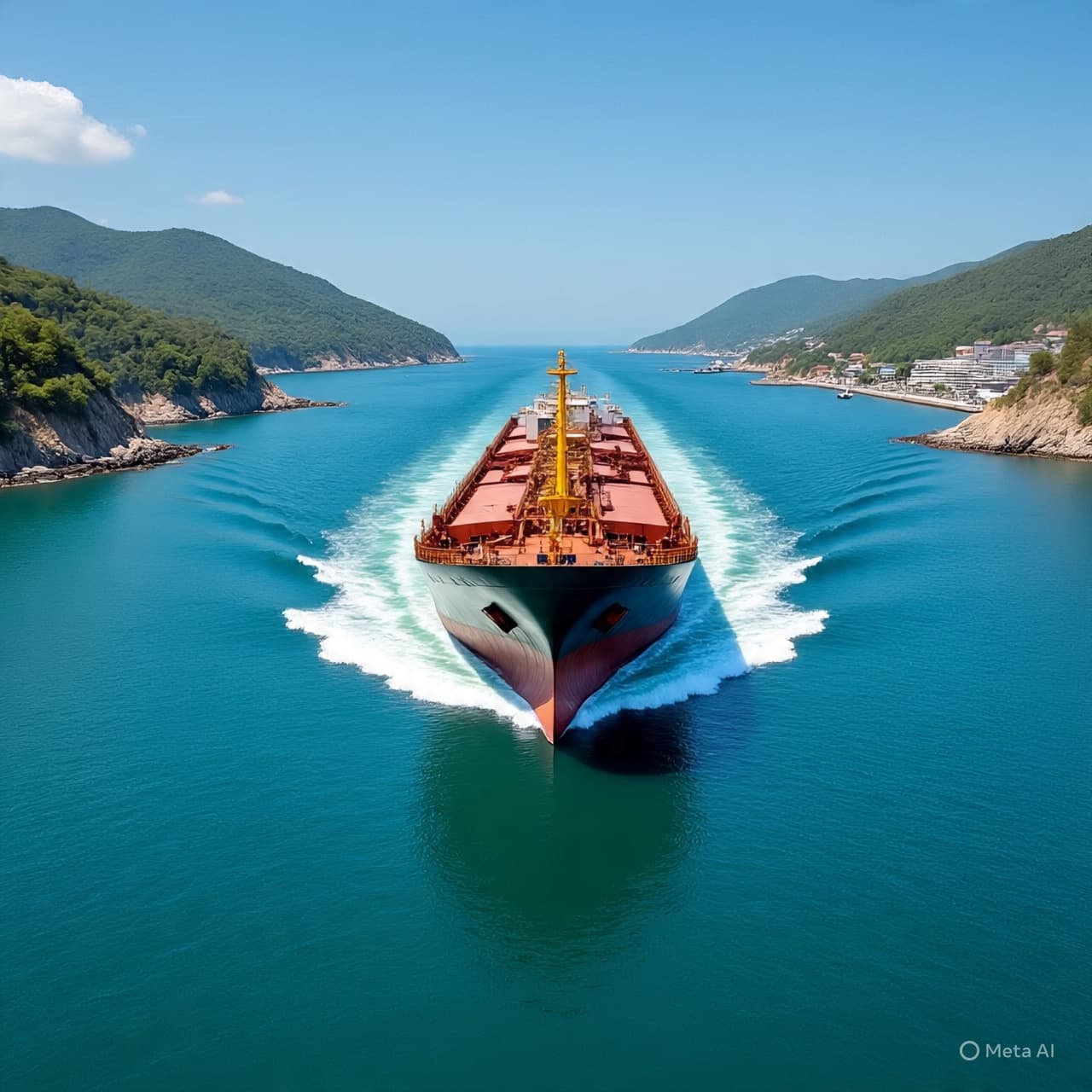
The Strait of Hormuz has long been a vital artery for global trade, particularly for oil transport, with approximately 20% of the world's oil supply passing through this narrow passage. Recent discussions between Iran and Oman have introduced the possibility of imposing transit fees on vessels navigating these waters. This proposal, while still in the early stages, could significantly alter the economic landscape of maritime trade and energy markets.
Proponents of the transit fee argue that it would help cover the costs associated with maintaining security and infrastructure in a region that has seen its fair share of geopolitical tensions. The Strait is not only a crucial passage for oil tankers but also a hotspot for military activity and surveillance. The financial implications of ensuring safe passage through these waters are considerable, and supporters believe that a fee could reflect these operational costs.
However, the introduction of transit fees raises complex legal and geopolitical challenges. International maritime law traditionally upholds the principle of free passage through key chokepoints, and any attempt to impose fees could face significant pushback from major global powers and shipping companies. The potential for legal disputes and diplomatic tensions could escalate if the proposal moves forward without broad consensus.
Energy markets are particularly sensitive to changes in transit costs. Even a slight increase in fees could lead to higher oil prices, which would ripple through global supply chains and contribute to inflationary pressures worldwide. Analysts suggest that the economic ramifications could be profound, affecting everything from consumer prices to international relations.
For Oman, a nation known for its neutral diplomatic stance, engaging in discussions about transit fees represents a delicate balancing act. While it seeks to participate in regional initiatives, it must also maintain its reputation as a mediator in Middle Eastern affairs. Iran, on the other hand, may view the proposal as a means to exert strategic leverage over shipping routes and enhance its influence in the region.
Shipping companies are likely to face new challenges if transit fees are implemented. They may need to reassess their operational strategies, including route planning and insurance costs. In extreme cases, alternative shipping routes, although longer and more expensive, could become more appealing to avoid the fees associated with the Strait of Hormuz.
As discussions progress, the implications of these potential transit fees extend beyond mere economics. They intersect with broader themes of security, diplomacy, and regional power dynamics. The world is closely monitoring how this critical passage may evolve, not just as a route for movement but as a focal point where economics and geopolitics converge.
Published by Banx Network. This article is part of the Banx decentralized media programme, powered by the BXE token on the XRP Ledger.



