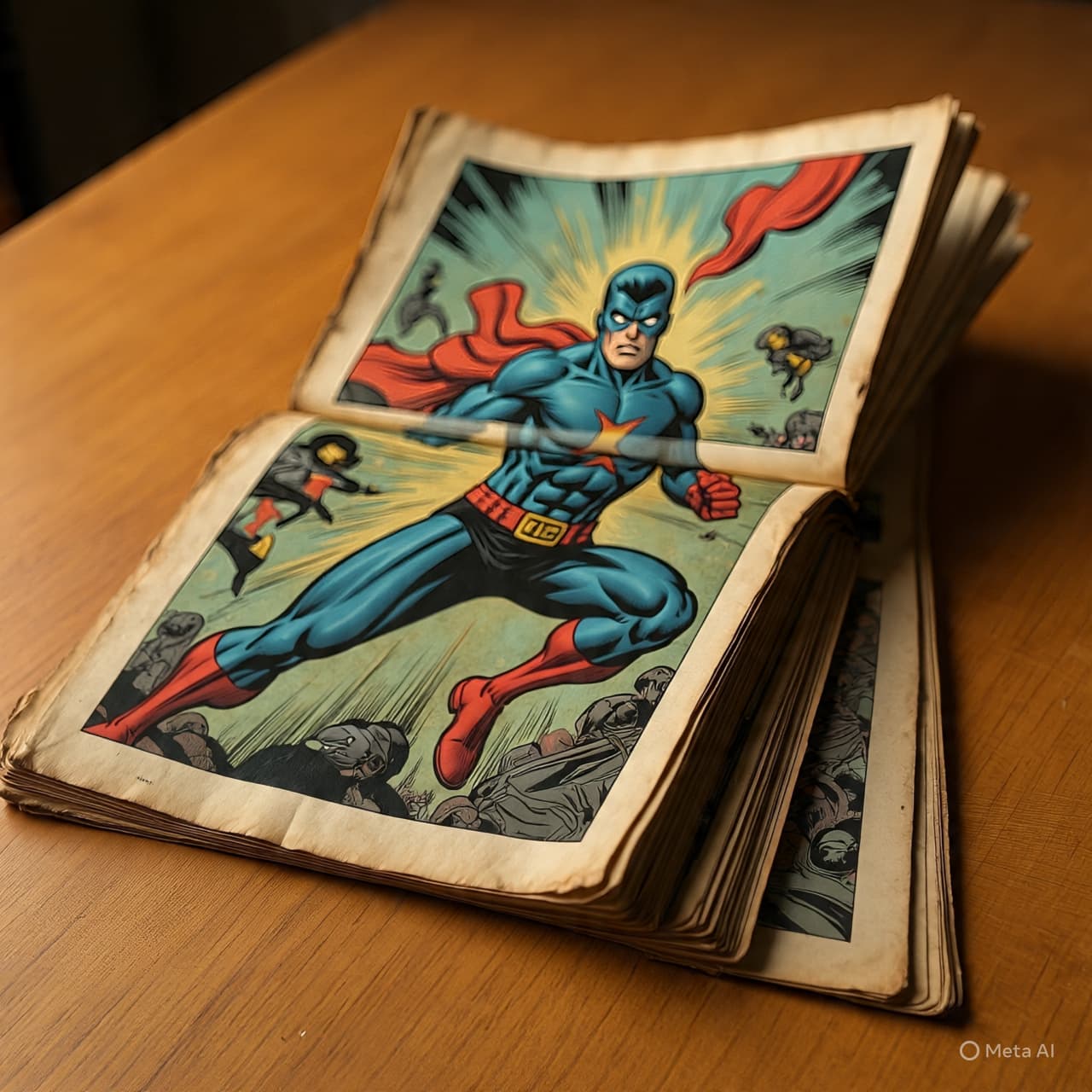
Some collectibles feel less like objects and more like time capsules—fragments of a world that once existed in brighter colors and bolder lines. This week, one of those artifacts resurfaced with astonishing force. A pristine copy of *Superman No. 1*, printed in 1939, has become the most expensive comic ever sold, reaffirming the character’s lasting place in both pop culture and high-value collecting.
The sale is more than a number; it’s a reminder of how enduring stories can become cultural infrastructure. Superman, whose debut helped define the American superhero archetype, stands at the center of a multibillion-dollar industry spanning films, television, gaming, and publishing. Yet the heart of that empire is still a 10-cent comic printed on fragile paper during an era when entertainment was simpler and escapism was in high demand.
Collectors describe *Superman No. 1* as a holy grail—rare, coveted, and almost impossible to find in top-tier condition. Most surviving copies bear the marks of time: frayed edges, faded ink, and creases from being read by children who never imagined their dog-eared books would one day command small fortunes. But the copy that sold now was an outlier, preserved with a care that feels almost reverential.
Sales like this aren’t only about nostalgia; they reflect a shifting landscape where alternative assets—comics, cards, vintage tech—compete alongside traditional investments. For some, owning such a comic is a vote of confidence in the cultural weight of superheroes. For others, it is a calculated decision, a bet that scarcity and sentiment will continue to push values upward.
But there is also something quieter at play. *Superman No. 1* embodies a moment when America was searching for symbols of hope. Its cover, bright and uncomplicated, introduced a hero who could fly over ordinary problems and rescue a world that felt on the brink. The comic’s extraordinary sale underscores how those early ideals still resonate, even as the world grows more complex.
For now, the record stands as both a headline and a tribute: a testament to a character who has leapt far beyond the printed page and a market that continues to find meaning in its earliest chapters. In a digital age, when stories often flicker across screens in seconds, the idea that a near-perfect comic book from 1939 can captivate the world once again feels oddly reassuring.
## AI Image Disclaimer
AI-generated illustrations are conceptual and may not depict actual items.
Published by Banx Network. This article is part of the Banx decentralized media programme, powered by the BXE token on the XRP Ledger.