Markets have a familiar rhythm when new ideas take hold. First comes curiosity, then conviction, and eventually a confidence so broad it feels permanent. Artificial intelligence has moved swiftly through those early stages, lifting valuations and reshaping expectations across nearly every corner of finance.
Now, some on Wall Street are beginning to ask a quieter question: not whether AI matters, but what might finally slow it down.
Investors who once focused solely on which companies would benefit most from AI are increasingly studying the conditions that could expose excess. The concern is not centered on the technology itself, but on the distance between promise and profit. For all the enthusiasm surrounding AI, meaningful earnings growth remains uneven, concentrated among a small group of firms.
Valuations sit at the heart of the debate. Shares of companies tied to AI infrastructure, software, and data have climbed rapidly, often pricing in years of future success. For skeptics, that leaves little room for disappointment. Even strong results may struggle to justify expectations that assume near-flawless execution.
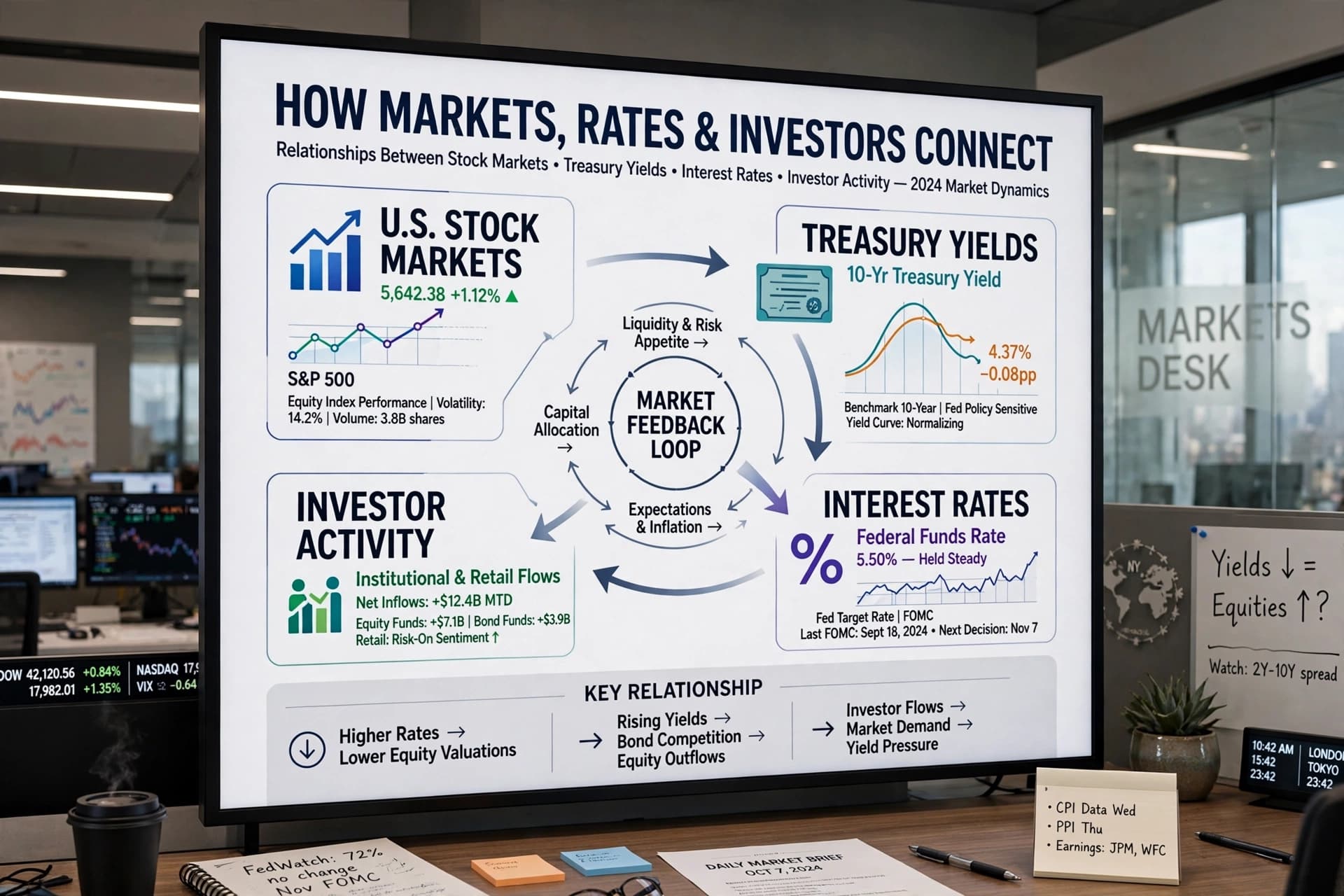
Some investors are positioning around potential pressure points. Rising interest rates could challenge richly valued stocks that rely on distant cash flows. Slower enterprise adoption might expose gaps between pilot projects and full-scale deployment. Others point to supply constraints, energy costs, and regulatory uncertainty as possible friction in an otherwise smooth narrative.
There is also a growing distinction between enablers and beneficiaries. Hardware makers and cloud providers have seen immediate demand, while many downstream users are still experimenting rather than committing. If spending shifts from building capacity to demanding returns, market leadership could narrow quickly.
Rather than exiting AI altogether, many institutions are hedging. They are rotating toward companies with tangible revenue, trimming exposure to speculative names, and exploring trades that benefit from volatility rather than perpetual growth. The strategy reflects caution, not rejection.
History looms quietly in the background. Past technology booms were rarely undone by a single event. More often, they softened under the weight of missed targets, slowing growth, or changing financial conditions. The realization came gradually, after expectations ran too far ahead.
For now, AI remains central to market optimism. But the conversation has evolved. Alongside excitement sits preparation, and alongside belief sits insurance.
Wall Street, it seems, is no longer asking how high AI can go — but what might finally test how solid its foundation really is.
Published by Banx Network. This article is part of the Banx decentralized media programme, powered by the BXE token on the XRP Ledger.