Key Highlights
- AI's rapid rise has reshaped market expectations.
- Investors are increasingly cautious about valuations and earnings.
- Historical trends suggest technology booms often face challenges.
Artificial intelligence (AI) has rapidly transformed the landscape of finance, capturing the attention of investors and reshaping market expectations. Initially, the excitement surrounding AI was palpable, with a surge of curiosity leading to widespread conviction. However, as the technology continues to evolve, Wall Street is now grappling with a more nuanced question: what could potentially slow down this momentum?
Investors who once focused on identifying which companies would benefit most from AI are now turning their attention to the broader market conditions that could expose vulnerabilities. The concern is not about the technology itself but rather the gap between the promise of AI and the reality of profit generation. Despite the enthusiasm, meaningful earnings growth remains concentrated among a select few firms, raising questions about the sustainability of current valuations.
Valuations have become a central point of contention in this debate. Companies involved in AI infrastructure, software, and data have seen their stock prices soar, often reflecting years of anticipated success. For skeptics, this creates a precarious situation where even strong financial results may not suffice to meet the lofty expectations that investors have set. The fear is that any disappointment could lead to significant market corrections.
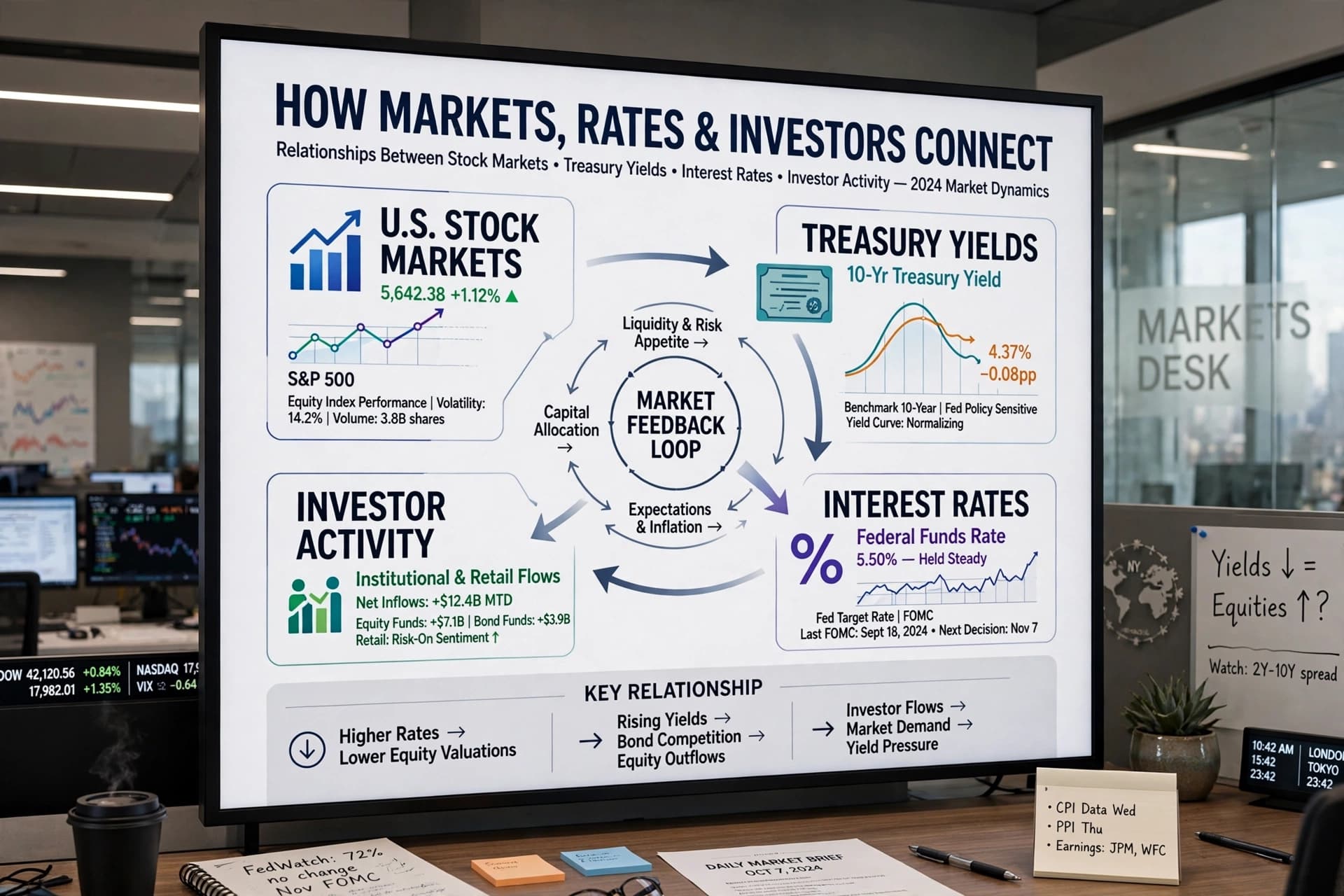
As a result, some investors are strategically positioning themselves to navigate potential pressure points. Rising interest rates pose a particular challenge for stocks that rely on future cash flows, while slower enterprise adoption of AI technologies could reveal gaps between pilot projects and full-scale implementation. Additionally, concerns over supply chain constraints, energy costs, and regulatory uncertainties add layers of complexity to the market narrative.
A growing distinction is emerging between companies that enable AI and those that benefit from it. Hardware manufacturers and cloud service providers have experienced immediate demand, while many downstream users are still in the experimental phase. If market dynamics shift from capacity building to a focus on returns, the landscape of market leadership could change rapidly.
Rather than abandoning AI investments, many institutions are adopting a more cautious approach. They are reallocating resources toward companies with tangible revenue streams, reducing exposure to speculative ventures, and exploring strategies that capitalize on market volatility rather than relying solely on perpetual growth. This shift reflects a mindset of caution rather than outright rejection of AI technologies.
Historical context plays a significant role in shaping current investor sentiment. Past technology booms have rarely been derailed by a single event; instead, they have often softened under the weight of unmet targets, slowing growth, or shifting financial conditions. Investors are becoming increasingly aware that the realization of these challenges often unfolds gradually, as expectations become misaligned with reality.
For the time being, AI remains a cornerstone of market optimism. However, the conversation is evolving. Alongside the excitement surrounding AI, there is a growing emphasis on preparation and risk management. Wall Street is shifting its focus from merely contemplating how high AI can soar to considering what factors might ultimately test the strength of its foundation.
Published by Banx Network. This article is part of the Banx decentralized media programme, powered by the BXE token on the XRP Ledger.