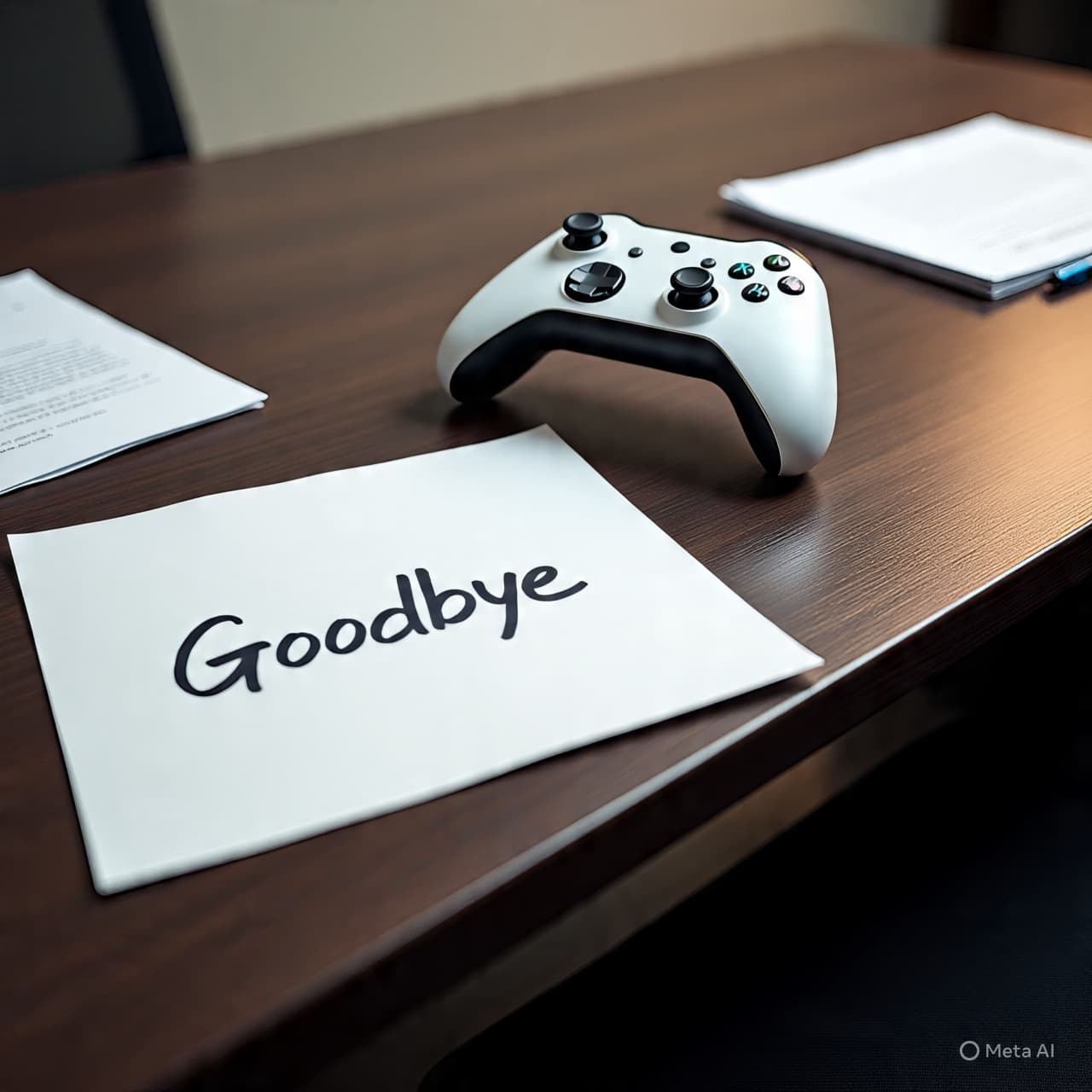
There are moments in leadership that resemble the slow turning of a page in a well‑worn book — not abrupt, not jarring, but meaningful nonetheless. For many fans and employees alike, the news of Sarah Bond’s departure from Microsoft and Xbox feels like such a turn: a gentle but unmistakable shift in the narrative of one of gaming’s defining eras. In the corridors where strategy and creativity meet, her leadership has been a steady presence; now, as she steps away, the industry pauses to reflect, not with discord, but with measured curiosity about the future.
Bond’s tenure at Xbox has been marked by both continuity and change — a blend of strategic partnerships, community engagement, and an emphasis on expanding the ecosystem. Her voice became familiar to players around the world, whether championing cloud gaming, addressing fan concerns about acquisitions and platform direction, or articulating Xbox’s vision across continents. For many in the gaming community, she was not just a corporate executive, but a steward of an experience that blends technology with shared joy.
In her statement announcing her departure, Bond spoke with both gratitude and soft resolve, noting the privilege of participating in what she described as a transformative chapter for Xbox and Microsoft at large. Her words did not carry sharp critique or dramatic critique; instead, they echoed a reflective understanding that leadership, like all things, evolves with time.
Industry observers note that leadership changes at major technology and entertainment firms are part of a healthy cycle — leaders arrive, shape momentum, and eventually pass the torch in ways that open doors for fresh perspectives. In Microsoft’s case, the company has a long history of such transitions, with organizational depth ensuring that vision and execution remain aligned even as individual roles shift.
Bond’s influence intersected with some of the most discussed pivots in modern gaming: the growth of subscription services, the maturation of cloud play platforms, and the evolving roles of communities in shaping company priorities. Her departure invites reflection not only on what has been achieved, but also on what lies ahead for an ecosystem that continues to expand into mobile, cloud, and cross‑platform experiences.
Players and analysts alike have offered responses that blend appreciation with anticipation. Many acknowledge the dedication Bond brought to her role, while others look forward to how upcoming projects and leadership will build on the foundation she helped steward. In conversations across forums and social feeds, the tone has been one of respect tempered by a natural curiosity about the next chapter.
Microsoft’s official communications confirm that the company remains committed to its gaming roadmap, with leadership teams already in place to guide upcoming launches and strategic initiatives. While transitions can shape public perception, they rarely unfold in isolation — they intersect with product cycles, partnerships, and the broader competitive landscape.
In the coming weeks and months, details about Bond’s successor and any shifts in strategic emphasis may emerge. For now, Microsoft’s gaming division continues its work on both hardware and software fronts, striving to balance long‑term innovation with day‑to‑day engagement with players around the world.
In straightforward news terms, Sarah Bond announced her departure from Microsoft, stepping down from her leadership roles within the Xbox division. Her statement thanked colleagues, partners, and the community, and expressed optimism about the division’s future. Additional details about transition plans and timing may be provided by the company in subsequent communications.
AI Image Disclaimer Illustrations were produced with AI and serve as conceptual depictions.
Sources Bloomberg The Verge IGN Windows Central GameSpot
Published by Banx Network. This article is part of the Banx decentralized media programme, powered by the BXE token on the XRP Ledger.