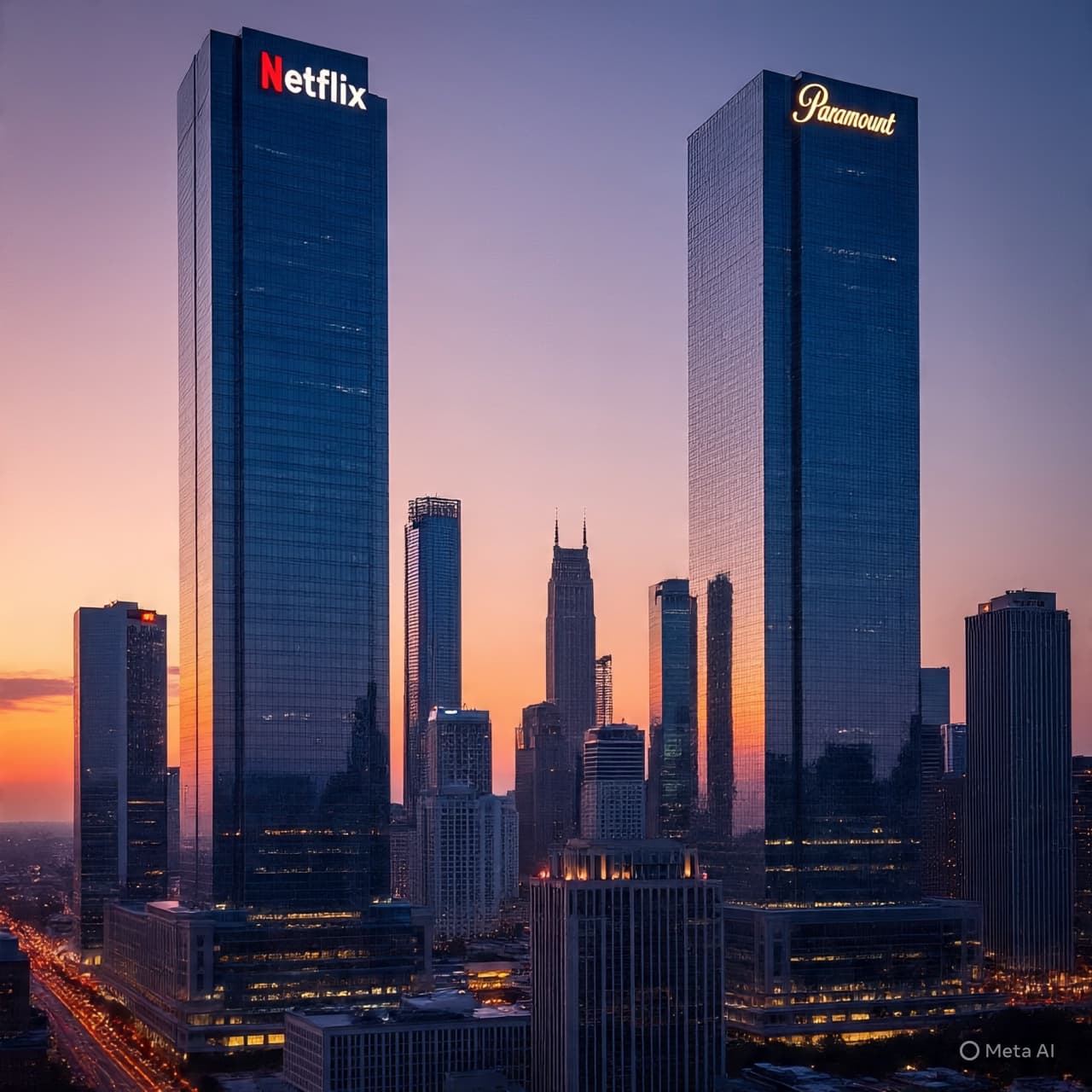
In the world of Hollywood’s boardrooms — where flickering screens meet towering vaults of film history — the fate of a venerable studio can sometimes feel like watching a slow, graceful dance, with pauses and shifts that carry as much meaning as action itself. In recent days, that slow rhythm seemed to shift: Netflix, the streaming behemoth that once appeared poised to bring Warner Bros. Discovery into its fold, stepped back from the brink and chose not to raise its bid. The move has opened a new chapter, one in which a different suitor, Paramount Skydance, now has a clearer path to take the lead.
For many, the image of Netflix — a household name woven into the fabric of modern viewing — courting the storied Warner Bros. collection of films and series was almost a storybook merger of old and new. Yet in the quiet calculus of finance and strategy, negotiations are not always poetry; sometimes they are pragmatic choices weighed not just in prestige but in dollars and future promise. Netflix’s co-chiefs described their decision to decline matching Paramount’s higher offer as a matter of discipline: the price required to remain in the contest simply no longer added up in their view.
Paramount’s bid, sweetened by a higher per-share price and backed by financial assurances, now stands as the likely victor in this high-stakes game. Warner Bros. Discovery’s board has characterized the updated offer as “superior,” effectively inviting Netflix to respond or step aside — and Netflix chose the latter. In the rhythm of corporate decisions, this is less a dramatic retreat and more a recalibration of ambition.
Yet beneath the surface of dollars and bids lie broader currents — questions about concentration in the media landscape, the stewardship of storied creative assets, and how audiences will experience entertainment in the years ahead. A takeover of this scale would not only unite two historic studios but also shift ownership of major networks and streaming platforms. Such an outcome invites reflection on what it means when familiar names change hands behind the scenes.
And in that quieter reflection, there is room not only for industry analysts and investors but for the millions of people whose daily lives intersect with these stories — in shared conversations about favorite films, in weekend plans to watch new series, or in nostalgic recollections of classics that once lit up theaters. The shifting marketplace is part business, part cultural terrain, and always in motion.
In a way, Netflix’s choice to withdraw is also a gentle reminder that not every pursuit ends in acquisition. Sometimes the value in restraint — of choosing a different path, of focusing on other creative avenues — becomes its own statement in an industry that often prizes boldness above all. Meanwhile, Paramount now advances with new momentum and fresh questions about what this consolidation might mean for competition, creativity, and the future of screen storytelling.
In straight news terms, Netflix said Thursday it will not raise its offer to buy Warner Bros. Discovery after Warner’s board determined a rival bid from Paramount Skydance was superior. Paramount’s revised all-cash offer of $31 per share outpaced Netflix’s bid, prompting Netflix to conclude that matching it was no longer financially attractive. The outcome positions Paramount as the likely acquirer, though the deal still must clear regulatory and shareholder approvals, and industry observers continue to weigh its implications for media competition.
AI Image Disclaimer: Visuals are created with AI tools and are not real photographs, intended purely for conceptual depiction.
Sources: The Washington Post, Fox Business, Associated Press, Reuters, South China Morning Post.
Published by Banx Network. This article is part of the Banx decentralized media programme, powered by the BXE token on the XRP Ledger.