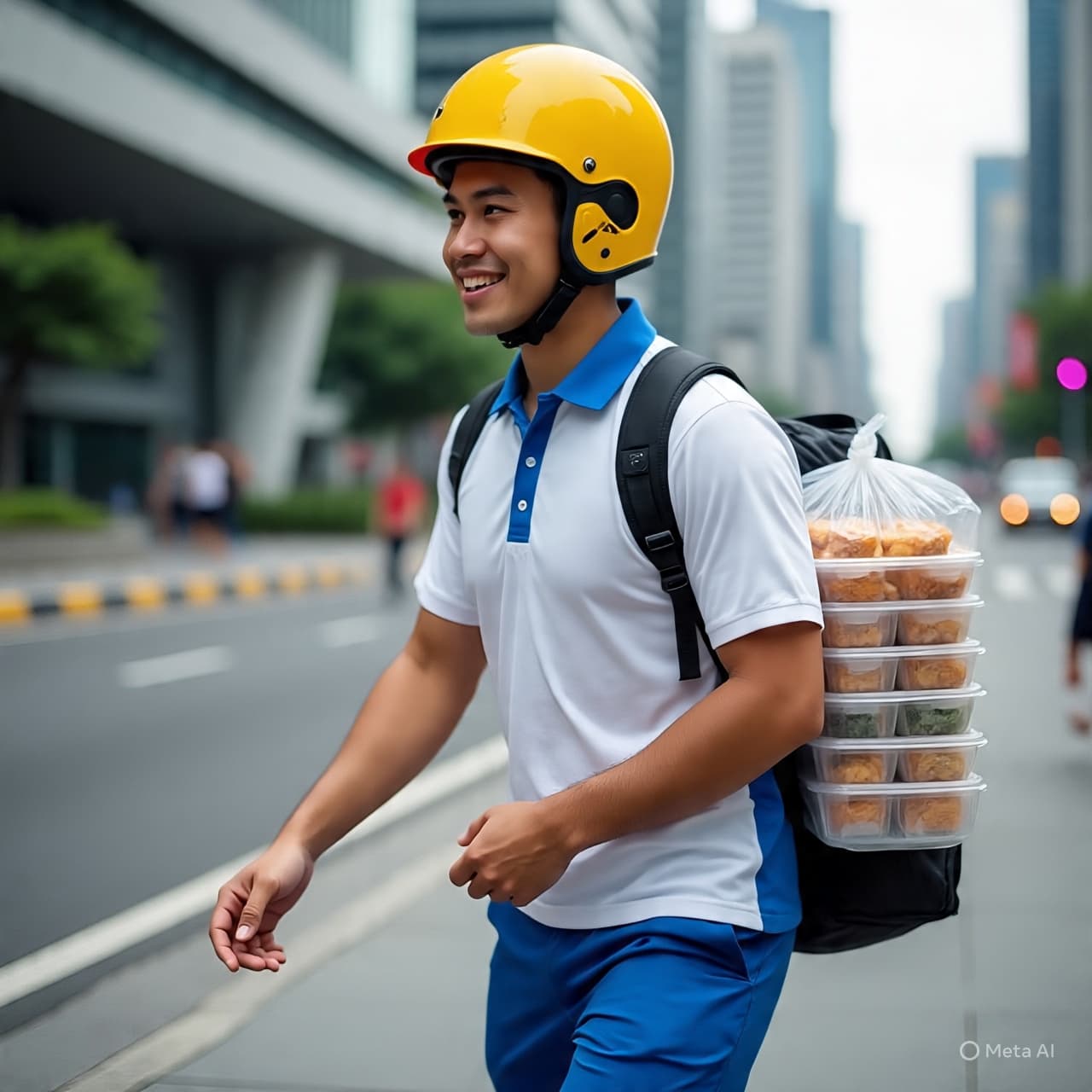
There are times when the rhythm of everyday life makes a subtle shift, almost imperceptible at first, like the soft evening wind that hints at a change in weather. In Singapore’s bustling food delivery landscape, one such shift is underway as a familiar presence prepares to depart the stage, leaving room for others to play the leading role. When a company that has been part of the city-state’s daily cadence for over a decade moves on, it prompts reflection on how routines, choices, and even costs may gently reshape themselves in its wake. Deliveroo, the British-founded food delivery platform that arrived in Singapore in 2015 and became part of the local scene for millions of hungry diners and busy restaurants, will close its doors here on March 4, 2026 after 11 years of operations. In a statement shared with users and partners, the company said the decision followed a thoughtful review of “country-specific conditions” and a renewed focus on sustainable scale and long-term leadership in markets where it sees the clearest path to growth. CNA CNA Where Deliveroo once helped fill dinner plates and connect neighbourhood eateries with hungry customers, its absence will soon be felt as the food delivery space in Singapore settles into a new pattern dominated by just two major platforms: Grab and Foodpanda. Analysts and industry observers gently warn that the narrowing of choices could ebb away some of the price competition that diners have come to enjoy. In simpler terms, having fewer platforms making offers and promotions may lead to higher delivery fees and fewer discounts over time, though any such changes are likely to be gradual rather than abrupt. CNA CNA For many consumers, promotions and special offers have been part of the comfort of ordering in — small vouchers and gentle nudges that make trying a new place just a bit easier. With one less player in the market, the environment may shift toward steadier pricing structures and less frequent deals, a transition that echoes broader patterns of consolidation seen in mature markets elsewhere. blog.moneysmart.sg Restaurants and hawkers alike have expressed a calm confidence that they can simply carry on with their online orders through the remaining platforms. Many noted that Deliveroo accounted for a small percentage of their total delivery volume, suggesting that the practical effect on their businesses may be modest. Delivery riders, too, have taken varying views — some anticipating changes in incentives and pay structures as competition softens, others already familiar with moving between apps to find the most appealing gigs. CNA CNA When a chapter closes, it often invites a gentle pause — an opportunity to think about what was learned, what remains, and how the familiar and the new will coexist moving forward. In this case, the departure of Deliveroo from Singapore’s food delivery story subtly reframes the landscape, even as Grab and Foodpanda continue the work of bridging kitchens and diners across the island. CNA In straightforward terms, Deliveroo will end its Singapore operations on March 4, and analysts suggest that the resulting market consolidation could lead to higher delivery fees and fewer promotional discounts as competition narrows. AI Image Disclaimer “Graphics are AI-generated and intended for representation, not reality.” CNA Sources Channel NewsAsia, The Business Times, MoneySmart Singapore, VnExpress International.
Published by Banx Network. This article is part of the Banx decentralized media programme, powered by the BXE token on the XRP Ledger.