The season has shifted quietly, but with it has come a familiar unease, like a wind that carries an old warning across a crowded square. In Australia, where public health triumphs are often taken for granted, measles has returned to the conversation not as a distant memory but as a present concern. The virus, once pushed to the margins, has found openings again, moving along travel routes and through gaps in immunity that had long seemed sealed.
Health officials have responded with urgency that is firm yet measured. The government’s renewed call for vaccination is not framed as alarm, but as reminder — a collective nudge toward an agreement society once made with itself. Measles, doctors repeat, is among the most contagious of known viruses, capable of spreading swiftly in communities where vaccination coverage slips even slightly. Recent clusters and rising case numbers have sharpened that message, especially as hospitals and clinics note increased pressure.
Authorities point to a combination of factors behind the resurgence. International travel has reintroduced cases, while pandemic-era disruptions and vaccine hesitancy have left some populations underprotected. Children too young to be fully immunized, and adults who missed doses years ago, now stand closer to risk. Public health leaders emphasize that vaccination remains the most reliable shield, protecting not only individuals but also the broader community through shared immunity.
The tone from Canberra has been notably direct. Officials describe vaccination as a civic responsibility, one grounded in evidence rather than ideology. Outreach efforts are being expanded, with reminders issued through schools, primary care networks, and public campaigns. The aim, health experts say, is not to coerce but to clarify — to ensure Australians understand both the safety of vaccines and the seriousness of measles complications, which can include pneumonia, encephalitis, and long-term immune damage.
At the same time, governments are working with states and territories to strengthen surveillance and rapid response. Contact tracing, public alerts, and access to booster shots form part of a coordinated effort to contain outbreaks before they widen. The message remains consistent: measles is preventable, but only if vigilance is maintained.
As the situation evolves, officials stress that Australia is not facing a crisis, but a test. It is a moment to reaffirm trust in public health systems built over decades, and to recognize that protection is rarely permanent without upkeep. In that sense, the renewed call for vaccination is less a warning than an invitation — to remember lessons learned, and to act before old diseases reclaim new ground.
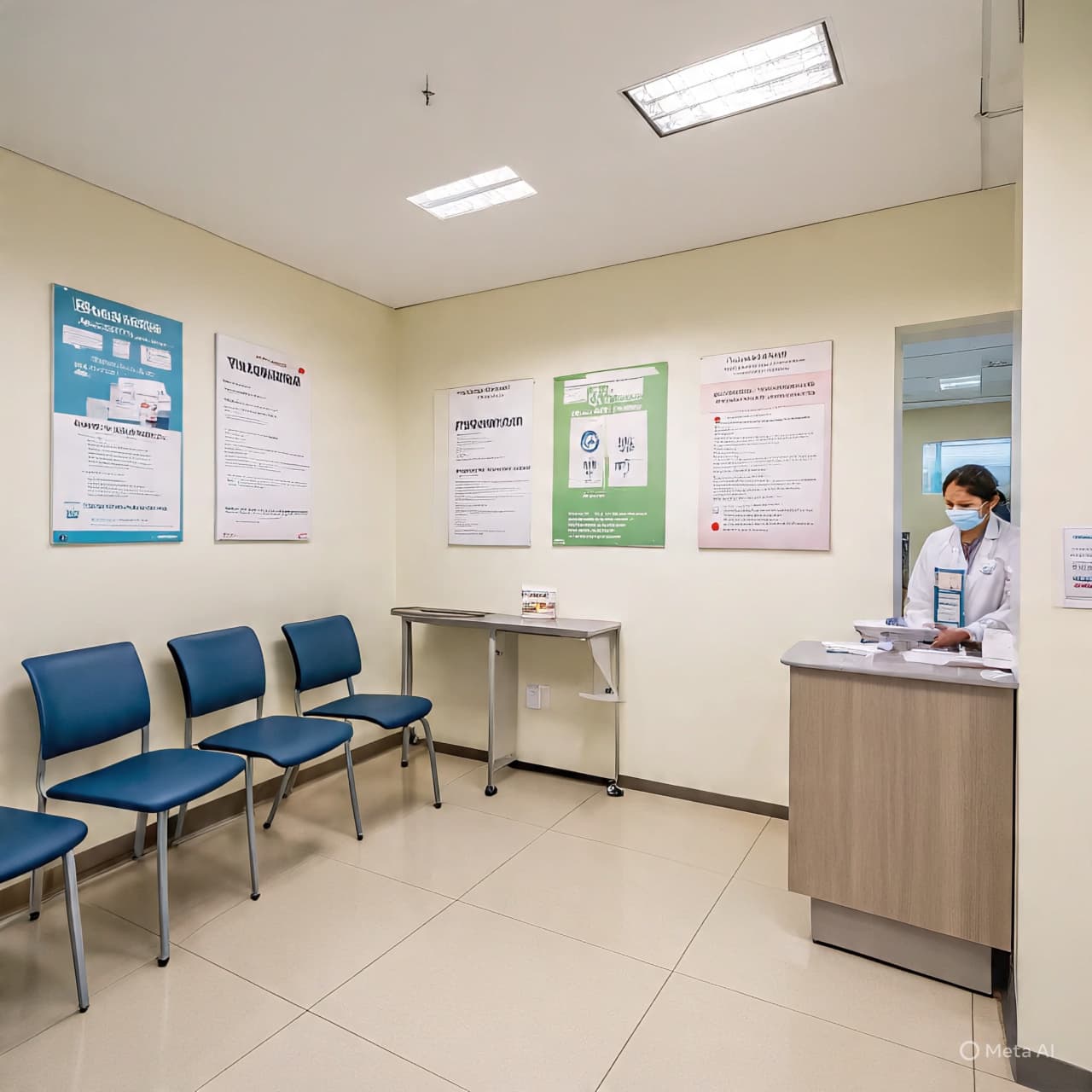
AI Image Disclaimer Visuals accompanying this article are created using AI tools and are intended as conceptual illustrations, not real photographs.
Source Check Credible, mainstream coverage exists for this topic.
Sources (media names only): Reuters Associated Press ABC News BBC News The Guardian
Published by Banx Network. This article is part of the Banx decentralized media programme, powered by the BXE token on the XRP Ledger.