
Key Highlights
- Recruitment Struggles:U.S. military faces declining enlistment rates.
- Cultural Disconnect:Traditional outreach methods fail to engage youth.
- New Strategies Needed:Military adapts to modern communication trends.
The U.S. military is grappling with a significant recruitment crisis as traditional methods of attracting new members become increasingly ineffective. Once a staple at high school career fairs and community events, military recruiters now find themselves facing a shrinking pool of eligible and willing candidates. This shift is not merely a reflection of changing demographics but also a response to evolving cultural attitudes towards military service.
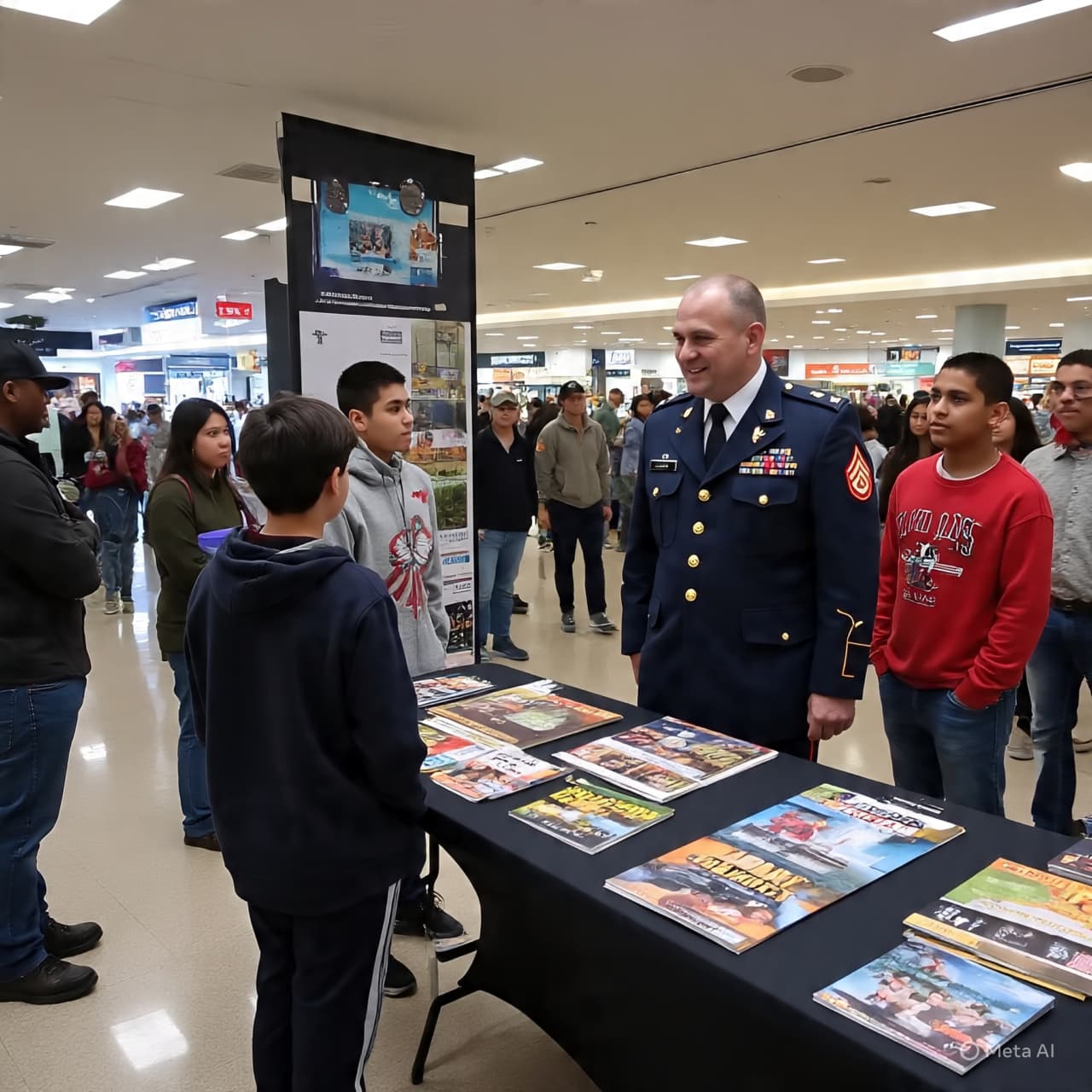
Historically, military recruiters relied on direct outreach methods such as phone calls to parents, in-person visits to schools, and booths at local expos. These strategies provided a pathway for many young Americans to consider military service as a viable career option. However, the landscape has changed dramatically. Many teenagers today prefer digital communication over traditional methods, leading to a disconnect between recruiters and potential recruits. Reports indicate that Marine Corps recruiters are experiencing burnout, struggling to meet even modest monthly quotas, with some recruiters enlisting as few as two new members each month.
Several factors contribute to this recruitment squeeze. A decline in birth rates has resulted in fewer high school graduates, directly impacting the number of potential recruits. Furthermore, many eligible candidates do not meet the physical or educational standards required for enlistment. Even among those who qualify, a growing number express disinterest in military life, drawn instead to the myriad of civilian opportunities available in today's job market. This demographic shift is compounded by a cultural disconnect, as fewer families have direct ties to military service, resulting in a lack of role models to inspire youth to consider military careers.
In response to these challenges, military recruiters are attempting to adapt their strategies. While some have embraced social media outreach, the results have been mixed. The military has also explored partnerships with social media influencers and utilized data-driven tools, including artificial intelligence, to identify potential candidates. However, these modern approaches raise ethical concerns regarding privacy and the implications of targeting young people online.
The recruitment crisis also prompts broader societal questions about the perception of military service. With a smaller pool of young Americans willing and eligible to serve, the armed forces must appeal to a generation that values diverse career paths and lifestyle choices. As noted by a retired Marine colonel, the traditional mantra of “work harder” is no longer sufficient; recruiting in the 21st century requires innovative strategies that resonate with how young people connect and make decisions.
Without a draft, developing new pathways for recruitment is essential for maintaining military personnel levels. The challenge extends beyond merely filling quotas; it involves bridging the gap between an institution steeped in tradition and a rapidly evolving youth culture. As the military seeks to attract “citizen-soldiers,” the need for informed and voluntary service becomes increasingly critical.
In conclusion, the U.S. military's recruitment challenges reflect broader societal changes that demand a reevaluation of how military service is presented to young Americans. As traditional methods falter, innovative strategies that align with contemporary youth culture will be crucial for the future of military enlistment.
Published by Banx Network. This article is part of the Banx decentralized media programme, powered by the BXE token on the XRP Ledger.



