
Key Highlights
- Britain’s support for Ukraine has intensified Kremlin rhetoric.
- Historical rivalries shape current perceptions of Britain in Russia.
- Cyber operations and diplomatic incidents fuel tensions between the two nations.
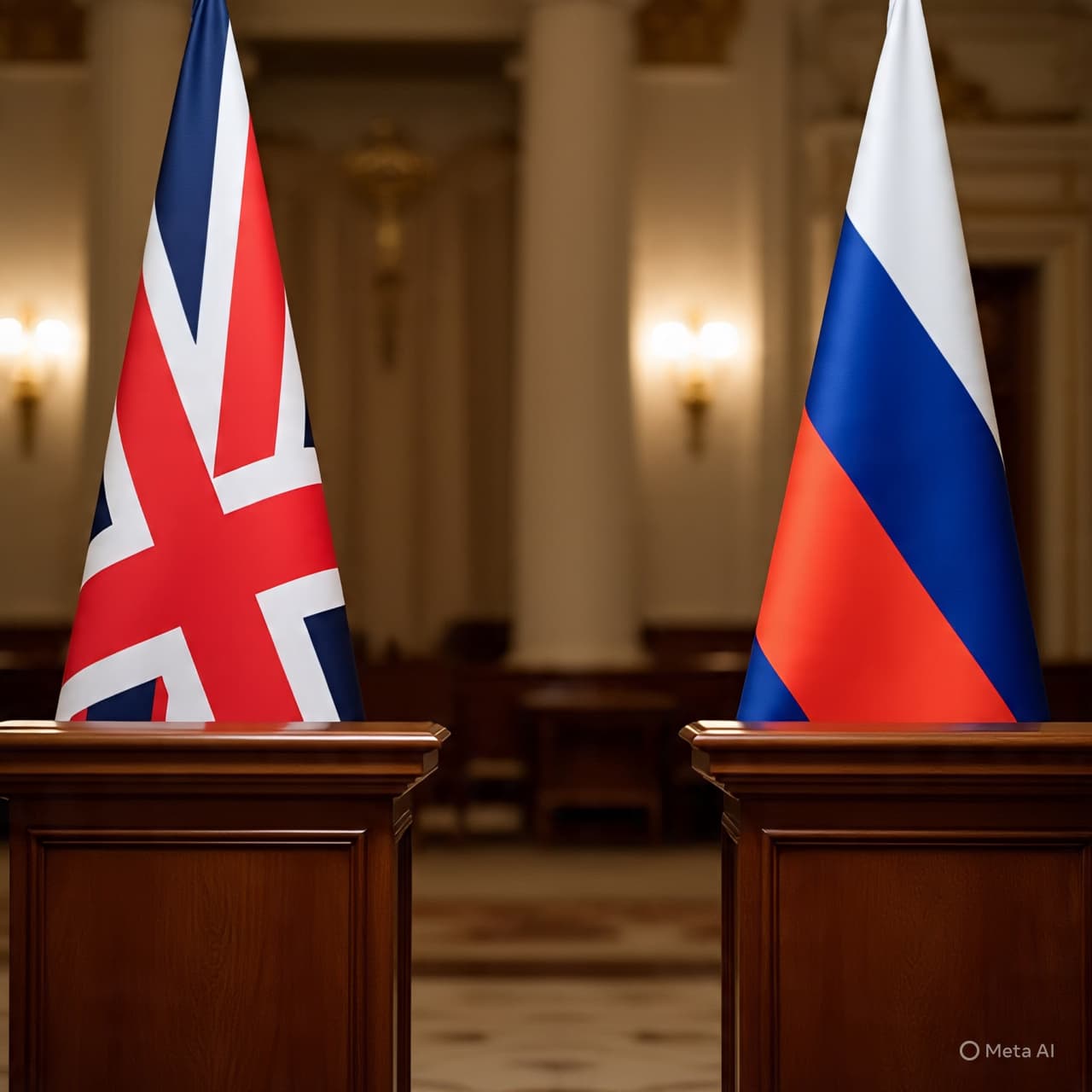
The geopolitical landscape between Britain and Russia has become increasingly fraught, particularly in light of the ongoing conflict in Ukraine. As the UK has stepped up its support for Kyiv, Moscow has responded by intensifying its rhetoric against Britain, labeling it as President Vladimir Putin’s “number one enemy.” This characterization is not merely a product of current events but is deeply rooted in a complex history of rivalry and conflict that has evolved over decades.
Britain's alignment with Ukraine has been a significant factor in this narrative. Since Russia's full-scale invasion in 2022, the UK has provided substantial military and political support to Ukraine, which has placed it at odds with Moscow. This support has been framed by Russian state media as a direct challenge to its interests, reinforcing the perception of Britain as a primary adversary. The Kremlin's portrayal of Britain is often steeped in historical context, invoking images of “perfidious Albion” to suggest that current tensions are not merely about policy but are also cultural and historical in nature.
The roots of this animosity can be traced back to various incidents that have marked Anglo-Russian relations over the years. Notable events, such as the poisoning of Alexander Litvinenko in London in 2006 and the Novichok attack on Sergei Skripal in 2018, have exacerbated mutual distrust. Each incident has led to diplomatic expulsions and heightened tensions, reinforcing narratives of Britain as a covert adversary in the eyes of the Kremlin.
In addition to historical grievances, the dynamics of modern warfare have also played a role in shaping perceptions. The UK has been identified as a key target of Russian cyber operations, which blur the lines of traditional warfare. These cyber threats, coupled with political sanctions and asset freezes, contribute to the image of Britain as a central opponent in Russia's strategic calculus.
The designation of Britain as an “enemy” serves multiple purposes for the Kremlin. It creates a clear narrative that unites the Russian populace against a common foe while also framing the West as a collective adversary. For British officials, their stance is not merely oppositional; it is part of a broader coalition of nations committed to upholding international norms and responding to aggression.
Ultimately, the narrative of Britain as Putin’s chief adversary reflects the complexities of international relations, where historical legacies and contemporary policies intertwine. As both nations navigate this fraught landscape, the interplay of perception and reality will continue to shape their diplomatic engagements and public narratives.
Published by Banx Network. This article is part of the Banx decentralized media programme, powered by the BXE token on the XRP Ledger.



