There are moments when the threads of daily life weave together so seamlessly that we scarcely notice the patterns beneath them — until one day, a familiar rhythm shifts and we find ourselves pausing to understand why. For mobile phone users around New Zealand, that moment is arriving with the sunset of the 3G network, a quiet turning point in how we stay connected, communicate, and rely on the devices that wrap around our daily routines.
For years, 3G technology was the bridge from the early days of mobile telephony into the era of smartphones — a connective fabric that carried calls, messages, and data when newer networks were still emerging. But as the landscape of mobile communications has grown in speed and sophistication, that fabric is being gently retired. By 31 March, the last of the 3G infrastructure in New Zealand will be closed, making way for the broader, faster coverage of 4G and 5G networks.
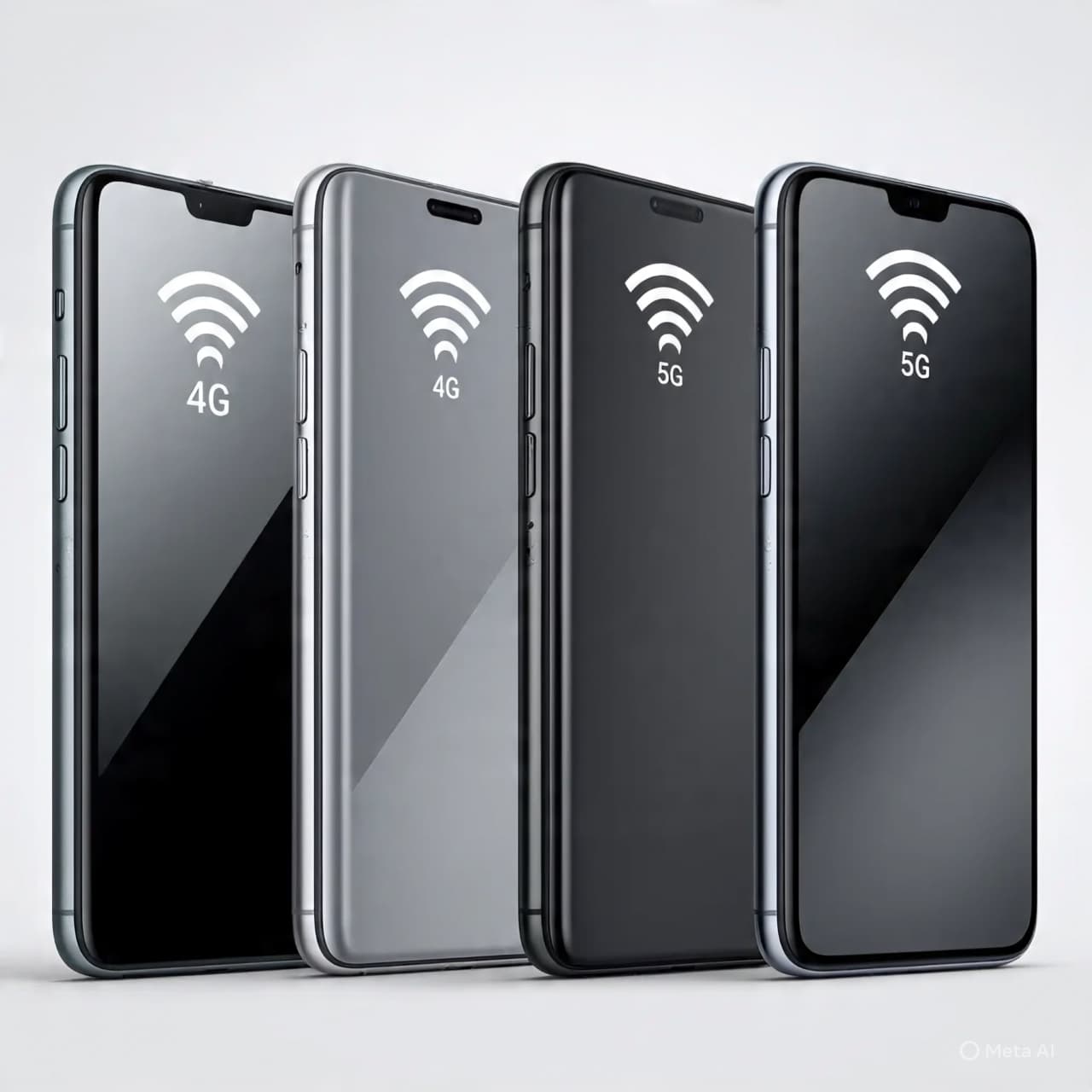
One might assume that only older phones — relics of a bygone era — would be affected by this shift. Yet, for some newer smartphones, the transition may be less straightforward than it appears. That’s because the simple label of “4G capable” on a phone doesn’t guarantee seamless compatibility with every carrier’s network here. Devices imported from overseas or refurbished models, even those boasting 4G support, may still rely on specific radio bands once paired with 3G for voice calls or network fallback.
This subtle dependency means that when the 3G signal disappears, certain newer phones might find themselves unable to make calls, send texts, or connect data — not because the hardware is old, but because of the particular frequencies and compatibility settings they use. Some phones may require a settings update or software patch to fully embrace 4G voice standards such as VoLTE (Voice over LTE); others may simply not support them at all and will cease functioning once the older network is turned off.
The pattern isn’t unique to New Zealand. Operators in other regions, including parts of the United Kingdom, have already phased out 3G services, prompting similar advisories for customers to check whether their phones support the newer networks and services before the switch‑off dates arrive.
Digital equity advocates have emphasized that awareness remains a central challenge. Many people are surprised to discover their phones no longer work after the 3G shutdown, despite having bought what seemed like capable devices. In these moments, the network transition becomes more than a technical update — it becomes a reminder that the infrastructure under our fingertips is shaped by frequency bands, regional standards, and the sometimes invisible settings within our devices.
For consumers unsure about their device’s compatibility, many carriers offer simple tests to determine whether a phone will operate on the new networks before 3G is fully switched off. Others may need to adjust settings, enable VoLTE, or — in some cases — consider upgrading their handset to one designed to work with the newer, faster standards.
As 3G retires, its legacy remains woven into the history of mobile communications, and its sunsetting is prompting a fresh conversation about how we adapt to the next generation of connectivity. In that gentle transition, understanding and preparation will help ensure that phones — old or new — continue to serve as bridges rather than barriers to connection.
As New Zealand’s major operators prepare to retire their 3G networks, users are advised to check if their phone supports 4G and 5G and is configured for VoLTE calls. Legacy 3G‑dependent devices — regardless of age — will lose voice, text, and data services once the shutdown completes, and some users may need to upgrade or adjust settings to maintain connectivity.
AI Image Disclaimer Visuals are created with AI tools and are not real photographs.
Sources RNZ News — “Why some newer smartphones may be hit by the 3G shutdown” RNZ — explainer on the 3G shutdown transition Consumer NZ guidance on devices and 3G impact IBTimes/MoneySavingExpert context on global 3G phase‑outs Telecom analyses on 3G network and IoT implications
Published by Banx Network. This article is part of the Banx decentralized media programme, powered by the BXE token on the XRP Ledger.